
SpaceX aims to recover both Starship V3 stages this year and fly the first operational batch of ten-times-faster Starlink V3 satellites.
SpaceX aims to recover both Starship V3 stages this year and fly the first operational batch of ten-times-faster Starlink V3 satellites.
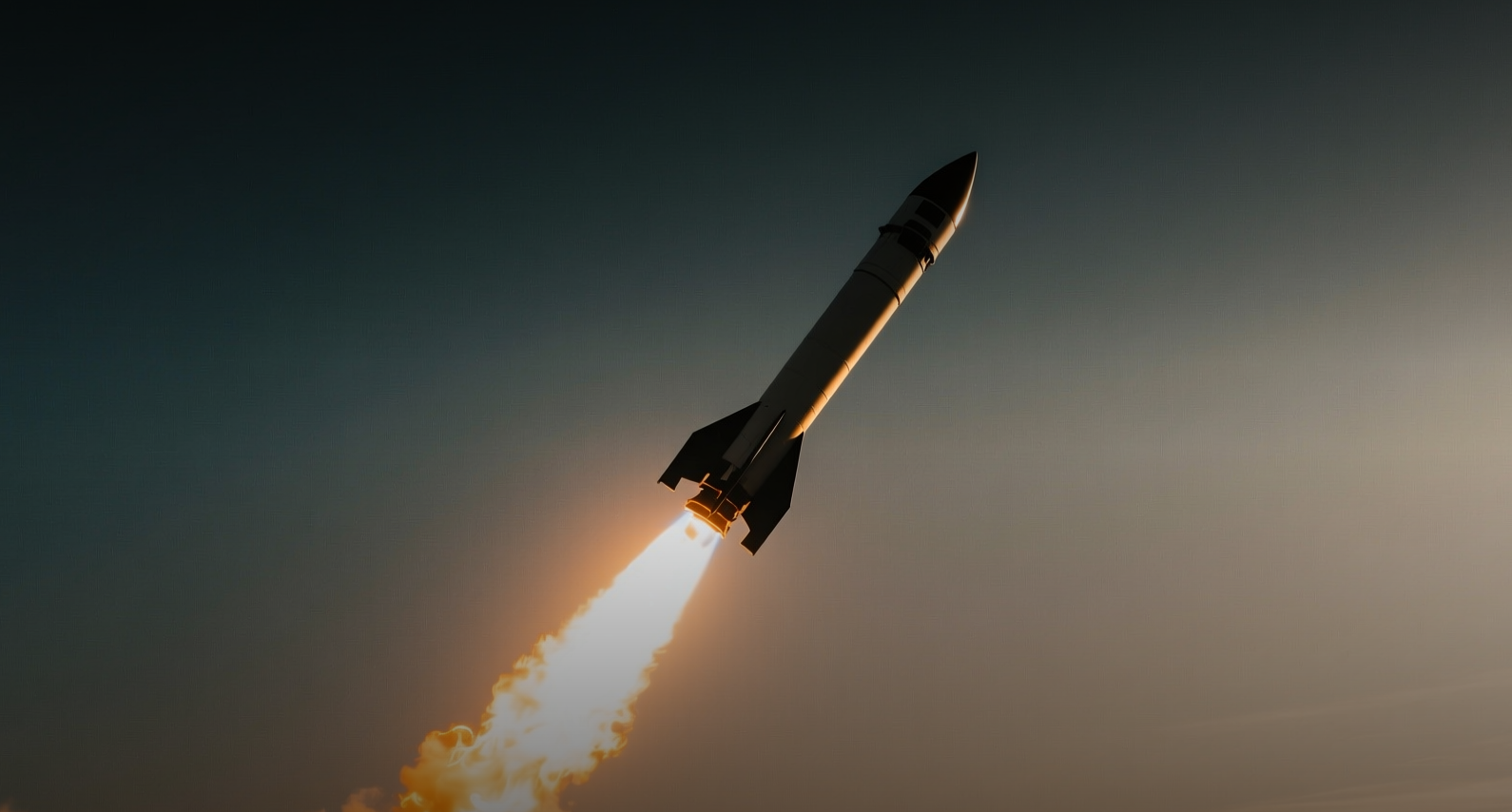
SpaceX plans to recover both stages of its Starship V3 rocket this year, a step toward reusing the 407-foot vehicle and lifting more than 1 million tons of payload to orbit annually.
"We will attempt to recover both the first and second stages this year, possibly on the next flight," Elon Musk, chief executive at SpaceX, said. The next Starship flight will also carry the first batch of Starlink V3 satellites into operational orbit, he said.
Each V3 satellite is designed to download data at up to 1 terabit per second, roughly ten times the capacity of the V2 satellites that dominate the current constellation. Flight 13 on July 24 deployed 20 V3 satellites from a system engineers call the "Pez Dispenser," establishing radio and laser contact with all 20 within minutes before they re-entered and burned up as planned after a 20-minute test.
The economics are the point. Starlink grew to 12 million paid subscriptions in the second quarter, adding 1.7 million, with connectivity revenue up 66 percent year over year to $4.3 billion. Adding V3 satellites would let the network deliver 60 terabits per second of additional capacity, a direct challenge to cable and fixed-wireless rivals in rural and underserved markets.
The Super Heavy booster on Flight 13 restarted only 10 of its 13 engines for the landing burn, splashing down in the Gulf of Mexico instead of a controlled catch. The upper stage, called Ship, achieved what SpaceX called its "softest splashdown" in the Indian Ocean, and the company plans to recover the vehicle for data analysis and possible refurbishment. Reusing both stages is central to Musk's target of delivering more than 1 million tons of payload to orbit each year, potentially reaching 10 million tons — a scale that would reshape the commercial launch market.
Starlink's growth is already pressuring incumbents. Comcast lost 167,000 U.S. broadband customers in the second quarter, and its chief financial officer, Jason Armstrong, acknowledged the satellite provider could become "more of a competitor over time" in rural areas. SpaceX's enterprise and government revenue rose 63 percent sequentially and 108 percent year over year to $1.8 billion, with Musk saying enterprise demand could "substantially exceed" consumer revenue. Overall SpaceX revenue reached $7.8 billion in the second quarter, up 92 percent year over year, though the company posted a net loss of $541 million with $100 billion in cash and $47.5 billion in backlog.
SpaceX remains privately held, but its trajectory pressures publicly traded rivals. Comcast, leaning on converged broadband-and-wireless bundles, faces a satellite competitor whose V3 network could undercut pricing in the rural markets where cable economics are weakest. Amazon's Project Kuiper and AST SpaceMobile are racing to match Starlink's scale, but neither has a reusable super-heavy rocket to deploy satellites at comparable cost. If Starship recovery works, SpaceX's launch cost advantage widens further, deepening the moat around both its launch business and its 12-million-subscriber internet service.
This article is for informational purposes only and does not constitute investment advice.
