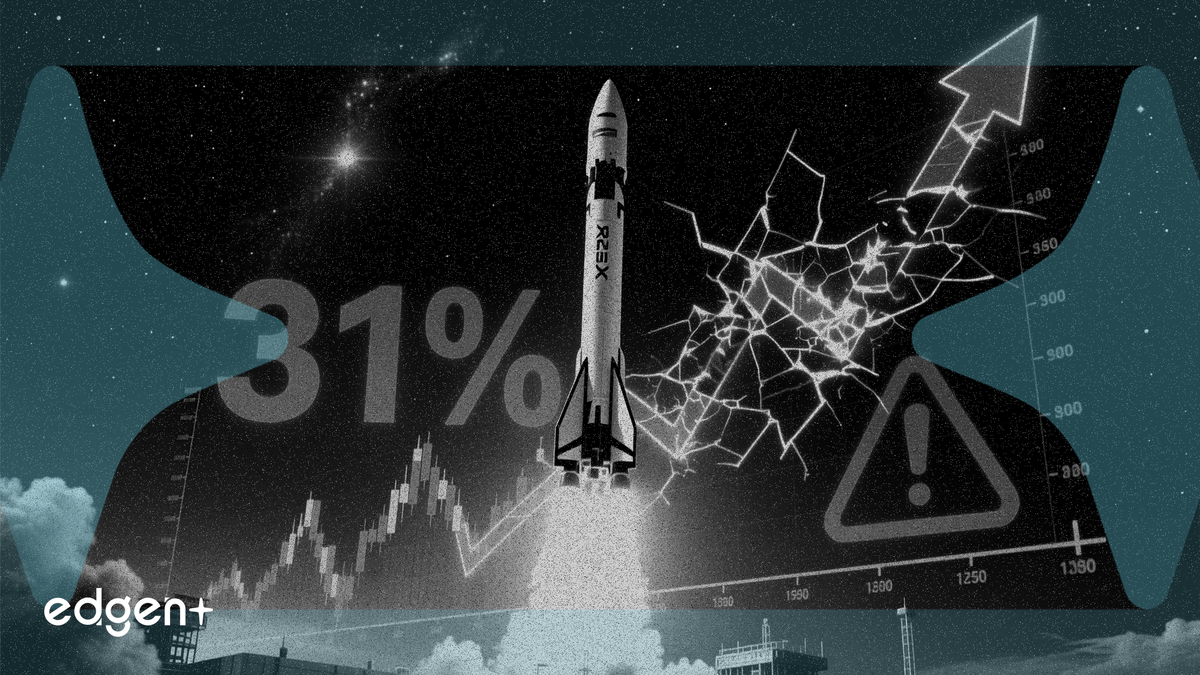
SpaceX vise une valorisation de 1,75 billion de dollars pour son introduction en bourse, opposant son ambition historique à des données montrant que les 10 plus importantes cotations américaines ont chuté d'une médiane de 31 % au cours de leur première année.
La valorisation prévue, qui serait la plus importante de l'histoire des États-Unis avec une marge significative, reflète l'appétit massif des investisseurs pour les actifs technologiques et aérospatiaux à forte croissance. Une offre réussie à ce niveau ferait instantanément de SpaceX l'une des entreprises les plus précieuses au monde, justifiant des années de battage médiatique sur le marché privé.
Le chiffre de 1,75 billion de dollars place le fournisseur de lancements dans la même catégorie que les géants des semi-conducteurs comme Taiwan Semiconductor Manufacturing Co. (TSMC), actuellement valorisé à près de 2 billions de dollars, et Samsung Electronics, qui a récemment dépassé la barre du billion de dollars grâce au supercycle de la mémoire piloté par l'IA. Cependant, le record historique des méga-introductions en bourse suggère une première année difficile pour les investisseurs publics. Une analyse des 10 plus grandes introductions en bourse américaines avant SpaceX montre qu'elles ont diminué d'une médiane de 31 % au cours de leurs 12 premiers mois sur le marché.
Cette introduction en bourse est destinée à être un événement marquant, testant si l'enthousiasme des investisseurs pour une entreprise générationnelle peut surmonter la force gravitationnelle des tendances historiques du marché qui ont humilié les géants précédents. Le résultat fixera probablement une nouvelle norme de valorisation pour l'industrie aérospatiale et pourrait influencer les flux de capitaux dans l'ensemble du secteur technologique.
Une histoire de « gueule de bois » post-IPO
La mise en garde pour les investisseurs réside dans la performance des débuts sur le marché passés de dimension similaire. Bien que l'excitation entourant une entreprise comme SpaceX soit immense, les données pointent vers un modèle de sous-performance post-IPO. Cette tendance n'est pas isolée à un secteur spécifique et a été observée dans diverses industries à la suite de cotations record.
La dynamique implique souvent une déconnexion entre la valorisation initiale sur le marché privé, tirée par un groupe limité d'investisseurs optimistes, et l'évaluation plus large et plus critique du marché public. La performance d'autres actions liées à l'espace a également été mitigée, comme le montrent les résultats divergents des récentes introductions en bourse du secteur spatial, indiquant qu'une histoire convaincante ne se traduit pas toujours par des gains immédiats sur le marché public. Le sentiment à Wall Street peut être sujet à un optimisme excessif, comme le note l'analyse d'autres secteurs technologiques, où les sommets cycliques de valorisation sont souvent suivis de corrections brutales.
Pour SpaceX, le défi sera de maintenir son récit de croissance et d'exécuter ses plans ambitieux sous l'examen intense des actionnaires publics, tout en naviguant sur un marché qui a historiquement été sceptique vis-à-vis des méga-valorisations au cours de leur première année.
Cet article est uniquement à titre informatif et ne constitue pas un conseil en investissement.