
SpaceX shares surged 8.5% on August 13, extending a rally driven by a fresh Starlink satellite launch and Morgan Stanley's $300 price target. The stock has climbed more than 20 percent since Argus Research upgraded it to Buy on August 7.
SpaceX shares surged 8.5% on August 13, extending a rally driven by a fresh Starlink satellite launch and Morgan Stanley's $300 price target. The stock has climbed more than 20 percent since Argus Research upgraded it to Buy on August 7.
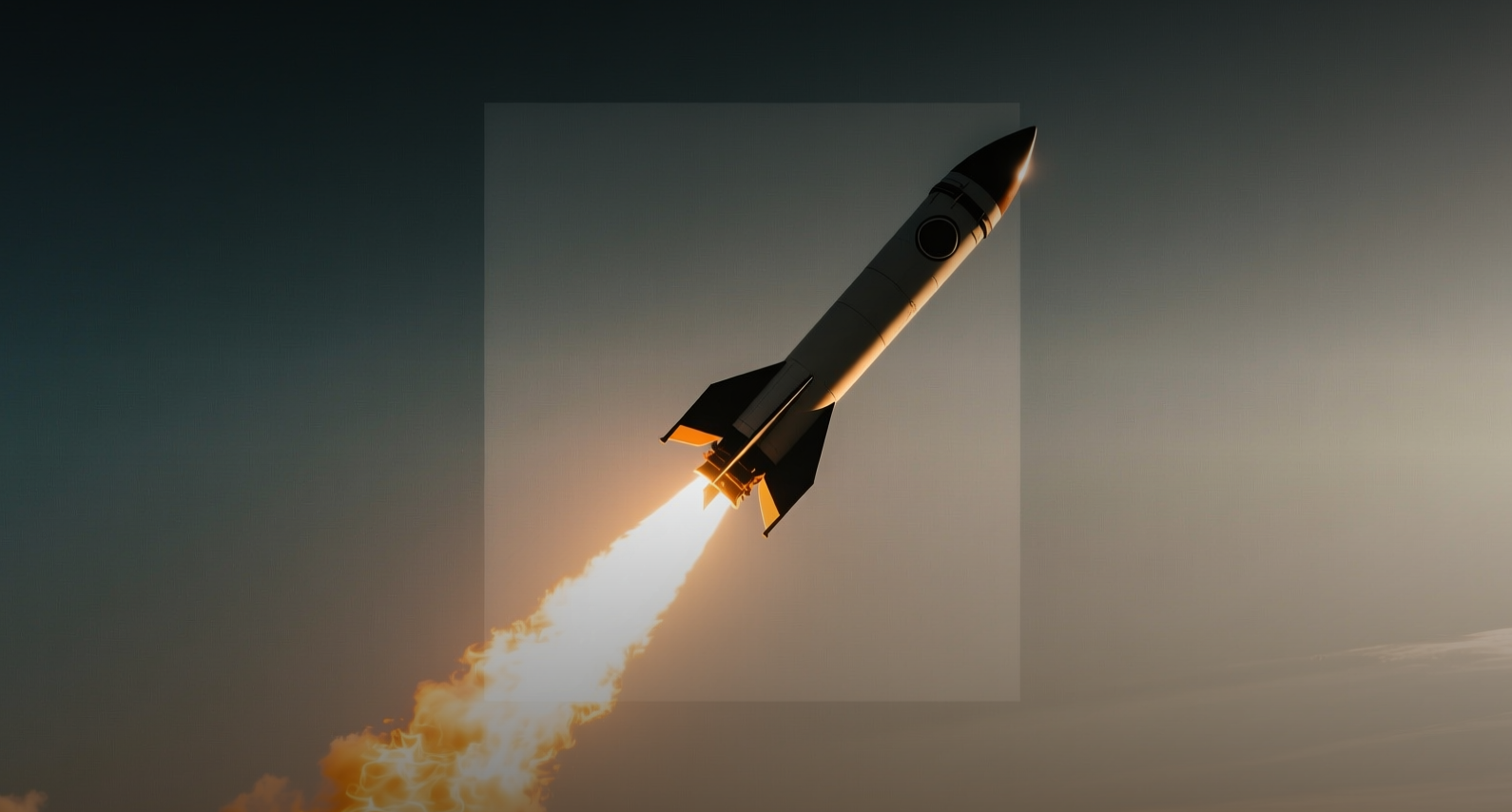
SpaceX shares surged 8.5% on Wednesday, extending a rally driven by a fresh Starlink satellite launch and Morgan Stanley's $300 price target.
Morgan Stanley analyst Adam Jonas maintains a $300 base-case price target, implying roughly 107 percent upside from current levels, according to The Globe and Mail. Jonas has argued that many investors underestimate the company's potential as it scales Starlink, develops orbital compute capabilities, and integrates its recent $60 billion acquisition of Cursor, an AI software platform.
The stock's climb follows a series of positive events. On August 12, SpaceX deployed 24 Starlink satellites from Vandenberg Space Force Base in California, the second of a two-mission day. In its first earnings report as a public company on August 4, SpaceX posted Q2 revenue of $7.8 billion, up 92 percent year-over-year, with Starlink contributing $4.29 billion, a 66 percent increase. The satellite internet service now serves more than 12 million subscribers.
Argus Research upgraded SpaceX to Buy from Hold on August 7, setting a $160 price target and citing rapid payback on AI investments and strong operational execution. That upgrade triggered a 15.8 percent single-day rally. The stock also gained 4.2 percent on August 10 after the expiration of a lock-up period for insiders, which many analysts expected would trigger heavy selling pressure. Instead, the absence of a sell-off led to a short-covering rally that attracted institutional investors. Before the lock-up expiration, only about 5 percent of SpaceX shares were available for public trading, limiting liquidity and increasing volatility.
SpaceX's market capitalization now stands at approximately $1.83 trillion, with a price-to-sales ratio near 75, reflecting the market's pricing of substantial future growth. The company's path to profitability hinges on Starlink's global scaling and its emerging AI and orbital compute businesses. Jonas's $600 bull case assumes faster execution across Starship, orbital compute, and Terafab, with AI representing more than 60 percent of the valuation upside. SpaceX's revenue is projected to reach around $1 trillion by 2031, supported by a $16.8 billion investment in a semiconductor plant with Tesla to produce AI chips.
The broader market backdrop has been supportive. The S&P 500 traded at 7,748.53, up 0.26 percent, while the Nasdaq Composite reached 26,588.49, up 0.54 percent, as the U.S. 10-year Treasury yield held at 4.69 percent. Gold rose 0.61 percent to $4,468.32 per ounce, while WTI crude slipped 0.69 percent to $82.63 per barrel.
SpaceX's IPO, the largest equity offering in history, was underwritten by BTG Pactual as the sole Latin America underwriter, according to the bank's Q2 earnings call. The listing has drawn comparisons to other recent tech IPOs, including Cerebras, which surged 12 percent ahead of its Q2 earnings release. The space sector's momentum extends beyond SpaceX, with the broader aerospace and defense complex benefiting from increased government and commercial demand.
The stock's resilience reflects growing institutional confidence in SpaceX's core business and its expansion beyond launch services into AI infrastructure. With the lock-up overhang removed and analyst targets pointing to significant upside, the next event to watch will be the pace of Starlink deployments and progress on the company's AI initiatives in the coming quarters.
This article is for informational purposes only and does not constitute investment advice.
