
火曜早朝のSpaceXによる打ち上げは、米国宇宙軍の測位能力における一つの時代の終わりを告げるものとなりました。10基目となる最後のGPS III衛星を軌道に投入する一方で、国防総省は多額の費用を投じながら難航していた地上制御システムをキャンセルしました。
火曜早朝のSpaceXによる打ち上げは、米国宇宙軍の測位能力における一つの時代の終わりを告げるものとなりました。10基目となる最後のGPS III衛星を軌道に投入する一方で、国防総省は多額の費用を投じながら難航していた地上制御システムをキャンセルしました。
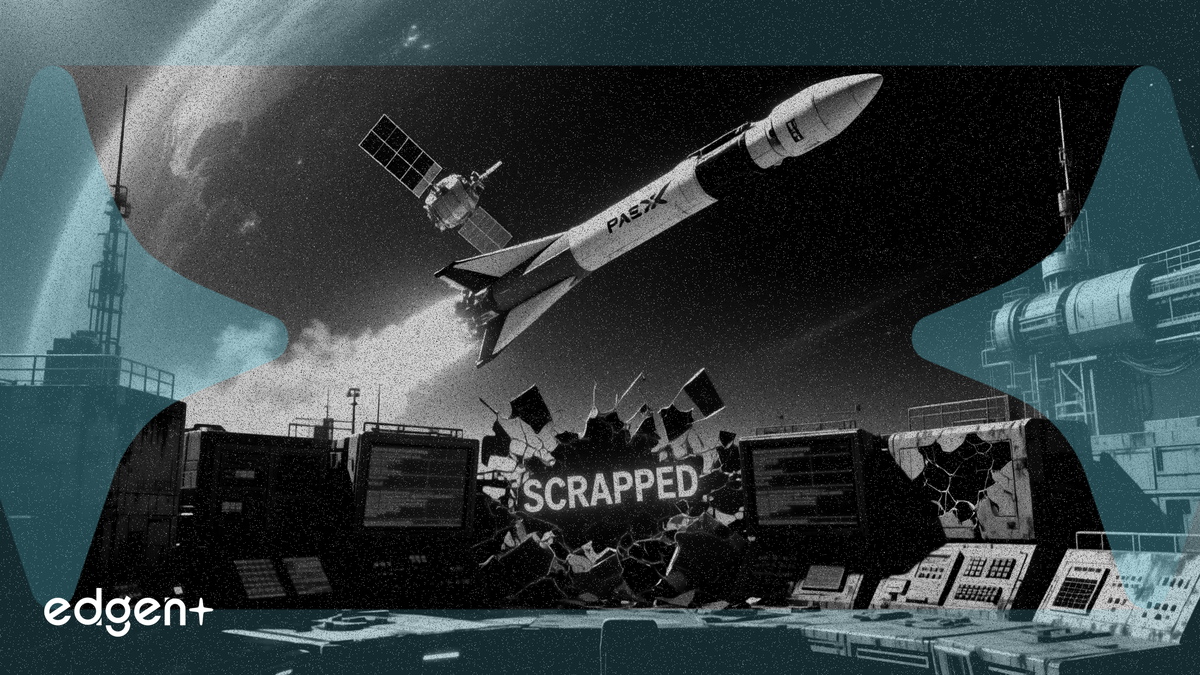
ロッキード・マーティン社が製造したGPS III宇宙機10号機が、フロリダ州ケープカナベラルからファルコン9ロケットに搭載されて無事打ち上げられ、全地球測位システム(GPS)の主要な近代化が完了しました。今回の任務は、国家安全保障のための主要な打ち上げプロバイダーとしてのSpaceXの役割を確固たるものにしました。この打ち上げのわずか1日前、宇宙軍は、コストが62.7億ドルまで膨れ上がり開発が大幅に遅れていたレイセオン社の次世代運用管制システム(OCX)の中止を決定していました。
ロッキード・マーティンのGPS担当副社長、ファン・チエン氏は打ち上げ前の会見で、「GPSの打ち上げごとにコンステレーションは強化されており、今回のSV 10は、現在軌道上にある旧型の宇宙機よりも8倍強力な対ジャミング能力と3倍の精度を備えた10番目のGPS III衛星です」と述べました。
ファルコン9ロケットは東部標準時午前2時53分に第40発射施設から離陸しました。7回目の任務を終えた第1段ブースターは、大西洋上のドローン船「Just Read the Instructions」への着陸に成功しました。SpaceXは、2015年以来156回の着陸を支えてきたこのドローン船にとって、今回が最後のファルコン9着陸となり、今後は将来のスターシップ(Starship)運用に特化することを発表しました。GPS IIIコンステレーションの完成により、2027年に初号機の打ち上げが予定されている、さらに高度な次世代GPS IIIF衛星への道が開かれました。
女優であり周波数ホッピング技術の発明者でもあるヘディ・ラマールにちなんで宇宙軍が「ヘディ・ラマール」と名付けたGPS III SV10衛星は、数十億人の民間および軍事ユーザーにサービスを提供するネットワークに大幅なアップグレードをもたらします。精度の3倍向上と対ジャミング能力の8倍改善に加え、この衛星は将来技術のテストベッドとしての役割も果たします。
この衛星は、光学クロスリンク・ペイロードを搭載した初のGPS衛星であり、将来的に衛星間直接通信を可能にするために地上局とのテストが行われる予定です。この技術は、地上管制からの潜在的な遮断に対する安全策となります。また、SV10は新しいデジタル原子時計を備えており、次期GPS IIIFシリーズにも採用される、より堅牢で精密な時刻管理基準を提供します。
新型衛星が宇宙での飛躍を象徴する一方で、地上セグメントは大きな後退を余儀なくされました。4月20日、宇宙軍はレイセオン社が構築していたOCXプログラムの終了を発表しました。2010年に最初に発注されたこのシステムは、新型GPS III衛星とそのMコード信号などの高度な機能を制御することを目的としていましたが、10年にわたる遅延とコスト超過に悩まされてきました。
「政府と請負業者のチーム全体による繰り返しの協力的アプローチにもかかわらず、運用に関連するタイムライン内でシステムを導入するという課題は克服不可能であることが判明しました」と、ミッション・デルタ31の指揮官であるスティーブン・ホッブズ大佐は述べました。「分析の結果、OCXへの追加投資はもはや最善の策ではないことが明らかになりました」。宇宙軍は代わりに、数十年前から使用されている既存のアーキテクチャ進化計画(AEP)をアップグレードし続け、近代化されたコンステレーションを運用する予定です。
今回のGPS打ち上げの成功は、競合他社が大きな障害に直面する中で、国家安全保障任務における米国で最も信頼できる打ち上げプロバイダーとしてのSpaceXの地位をさらに固めるものです。ユナイテッド・ローンチ・アライアンス(ULA)のヴァルカン・ロケットは、2月の飛行中に固体ロケットブースターに問題が発生し、飛行停止となっています。ブルーオリジン社のニューグレン・ロケットも最近のNG-3ミッション中に上段の故障に見舞われ、FAA主導の調査が行われています。
宇宙軍はSpaceXへの依存を強めており、今回のGPSミッションと過去3回のミッションを他のプロバイダーからファルコン9に切り替えました。1月の前回のGPS打ち上げからわずか3ヶ月という迅速なターンアラウンドは、SpaceXの飛行実績のあるロケット艦隊の効率性を際立たせています。同社は現在、国家安全保障宇宙打ち上げ(NSSL)フェーズ2契約の下で飛行した14ミッションのうち12ミッションを打ち上げており、続くフェーズ3契約の獲得でも圧倒的な存在感を示しています。
この記事は情報提供のみを目的としており、投資アドバイスを構成するものではありません。
