

SpaceX entered public markets at a $1.8 trillion valuation, but Altimetry Research says three lesser-known stocks offer stronger risk-adjusted returns.
SpaceX entered public markets at a $1.8 trillion valuation, but Altimetry Research says three lesser-known stocks offer stronger risk-adjusted returns.
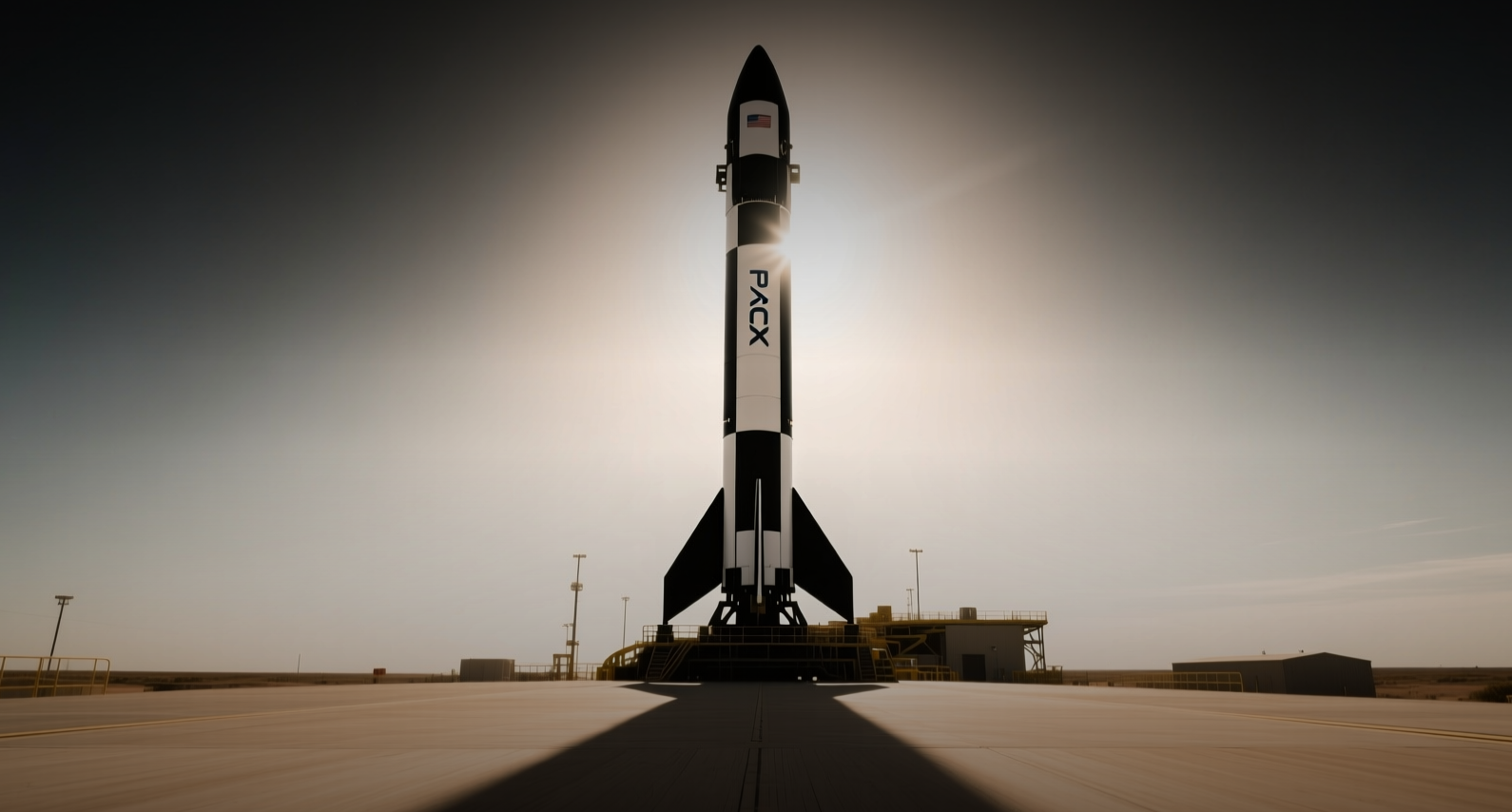
SpaceX entered public markets at a $1.8 trillion valuation, but Altimetry Research says three lesser-known stocks offer stronger risk-adjusted returns.
SpaceX completed the largest IPO in history on June 12, pricing at $135 a share and reaching a market value above $2 trillion, yet the stock has since pulled back 32% from its intraday peak of $225.64.
"SpaceX is a genuinely valuable business, but the valuation already prices in years of flawless execution," said Rob Spivey, director of research at Altimetry Research. "For most investors, there are cleaner opportunities with better odds sitting right next to the SpaceX story."
The company raised approximately $75 billion in its public offering, with shares surging to an intraday high of $225.64 on June 16 before falling in three consecutive sessions. As of late June, SPCX traded near $153, still above its $135 IPO price but well below its peak, giving the company a market capitalization of roughly $2 trillion. SpaceX reported $18.7 billion in revenue for 2025, with Starlink contributing 61%, or $11.4 billion, while posting a GAAP net loss of nearly $5 billion due to heavy capital spending.
The post-IPO selloff highlights the challenge facing newly public companies with elevated valuations: any stumble in execution or shift in sentiment can trigger sharp declines. Altimetry's analysis suggests that while SpaceX's long-term trajectory remains compelling, the risk-reward calculus favors stocks where growth expectations are more grounded in current financial performance.
Altimetry Research, co-founded by veteran analyst Joel Litman, evaluated SpaceX across its three main segments: launch services, Starlink satellite internet, and the recently acquired xAI artificial intelligence unit. Starlink's recurring subscription revenue — 10.3 million active customers across 160 countries as of March 2026 — provides a visible growth engine, but the company's planned capital expenditure of up to $119 billion for its Terafab data center buildout underscores the gap between today's earnings and tomorrow's ambitions. The analysts identified three alternative stocks they believe offer superior risk-adjusted returns, though the specific names were not disclosed in the published analysis.
SpaceX's valuation trajectory has been extraordinary. The company was valued at $137 billion in January 2023, rose to $350 billion by December 2024, hit $800 billion in December 2025, and reached roughly $1.25 trillion after merging with xAI in February 2026 — all before its public listing. At the IPO price of $135, the company commanded a valuation of approximately $1.75 trillion, briefly surpassing both Amazon and Microsoft in market capitalization before the pullback.
For context, traditional aerospace and defense companies trade at far lower multiples. Lockheed Martin, Boeing, and Northrop Grumman each carry market values measured in tens or low hundreds of billions. Investors are pricing SpaceX not as a launch provider but as a technology platform spanning satellite communications, artificial intelligence, and space transportation — a bet that requires each of those businesses to scale simultaneously.
The 32% decline from SpaceX's post-IPO high to its late-June trading level mirrors a pattern seen in other high-profile tech listings where initial euphoria gives way to fundamental reassessment. The stock's inclusion in FTSE Russell indexes in late June may add further volatility, as index-tracking funds adjust positions against a relatively small public float relative to the company's $2 trillion market value.
Altimetry's Spivey and Litman argue that the market's willingness to assign a $2 trillion valuation to a company that posted a GAAP net loss of nearly $5 billion in 2025 reflects extraordinary optimism about future cash flows. The question for investors is whether that optimism is justified — or whether better opportunities exist in companies where the gap between price and performance is narrower.
This article is for informational purposes only and does not constitute investment advice.
