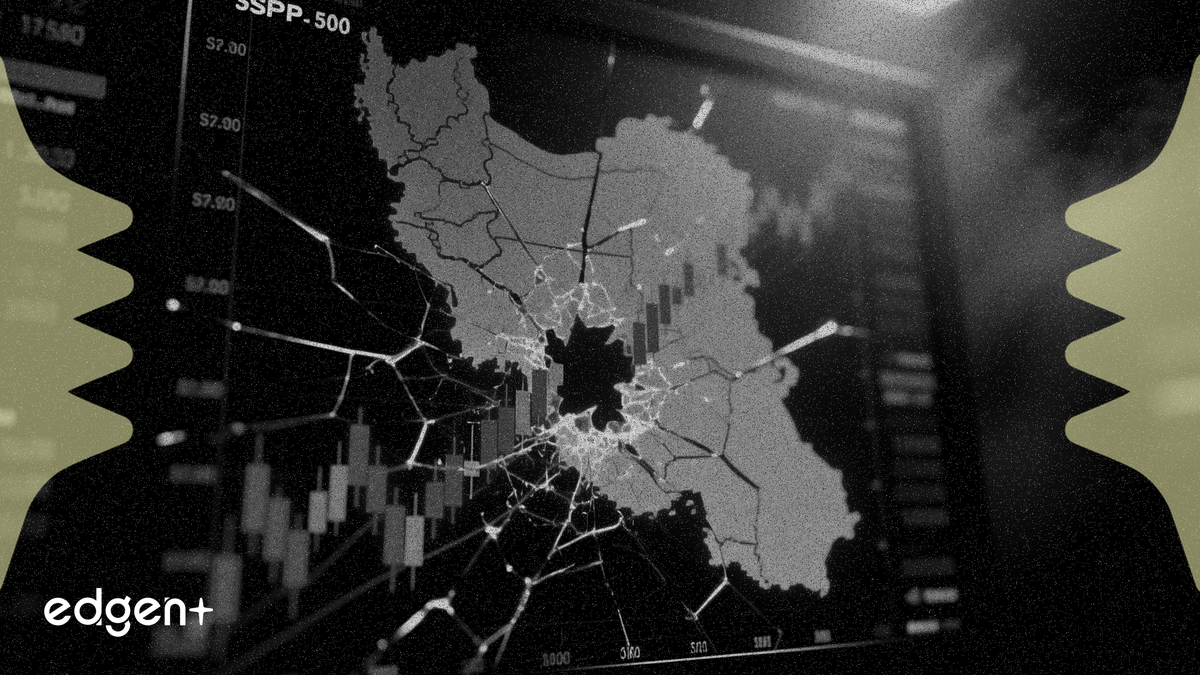
The S&P 500 fell 1.5% to close at 5,125 on Friday as reports of escalating geopolitical tensions involving Iran triggered a broad-based market selloff. The move pushed the benchmark index to its lowest level in three weeks, with investors rapidly de-risking portfolios.
"This is a classic flight to safety driven by geopolitical headlines," said a senior market strategist at a major investment bank. "The key question is whether this is a short-term shock or the start of a more sustained risk-off period. For now, markets are selling first and asking questions later."
The selloff was widespread, with all 11 S&P 500 sectors finishing in negative territory. Technology and Consumer Discretionary stocks were among the hardest hit, falling 2.1% and 1.9%, respectively. Market breadth was decidedly negative, with decliners outnumbering advancers by a 4-to-1 margin on the NYSE. The CBOE Volatility Index (VIX) jumped over 15% to 18.5, its highest reading in a month.
The sudden spike in volatility has investors recalibrating risk, with significant outflows from equities and crypto assets. Bitcoin, often touted as a non-correlated asset, fell in line with risk assets, dropping 3.2% to $85,500. In contrast, gold prices rallied 1.2% to $2,410 per ounce, and the yield on the 10-year U.S. Treasury note fell 8 basis points to 4.52% as capital flowed into traditional safe havens. All eyes are now on the weekend developments and the market's opening on Monday.
This article is for informational purposes only and does not constitute investment advice.