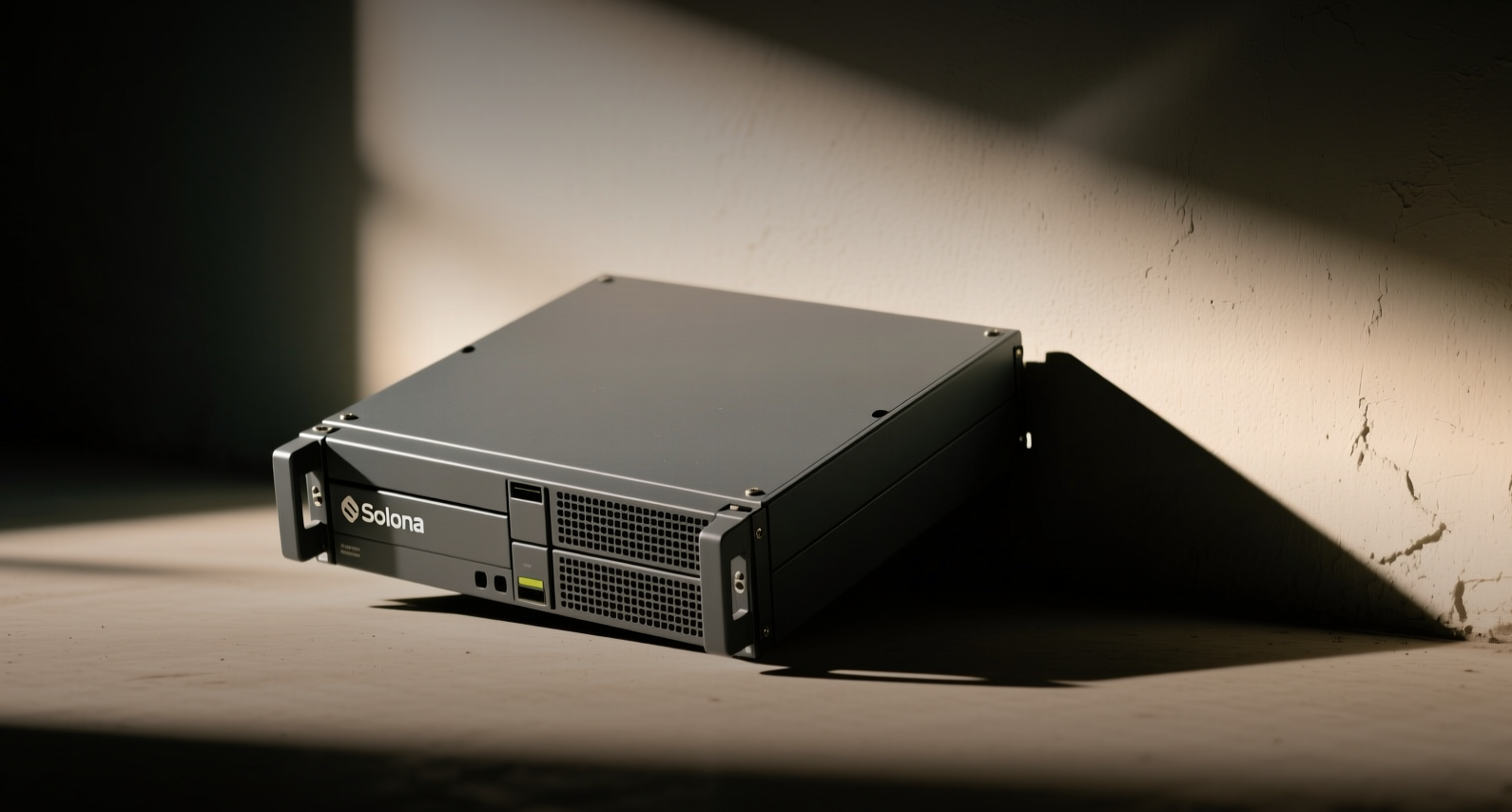
Solana Foundation warned validators hosted on Cherry Servers to rotate identity keys after a security incident exposed sensitive data.
"Potentially affected validators are advised to rotate identity keys, review exposed credentials, and inspect their Sensu logs for signs of compromise," the Solana Foundation said in a notice on June 26.
The warning follows Cherry Servers' disclosure of a security incident affecting its legacy monitoring system. Validators who cannot rule out intrusion were told to rebuild their hosts entirely. Identity keys help identify validators on the Solana network during block production, making their exposure a direct security risk for network consensus.
The incident highlights validator infrastructure security as Solana weighs performance changes tied to its planned Alpenglow upgrade, which could reduce finality to about 150 milliseconds from 12.8 seconds. One proposal would remove block size limits, letting stronger validators process heavier blocks while weaker ones temporarily skip them.
The Cherry Servers breach did not affect Solana's core protocol, the foundation said. The risk is limited to hosted systems connected to the provider's legacy monitoring service. Still, the incident shows the importance of validator security for the Solana network, which relies on a distributed set of operators to process blocks and verify transactions.
Solana's Alpenglow upgrade, expected to cut finality dramatically, has raised questions about validator economics. Larger operators could earn more rewards if they handle heavier blocks more often, while smaller validators may face higher hardware requirements. The foundation has not set a date for the upgrade.
This article is for informational purposes only and does not constitute investment advice.