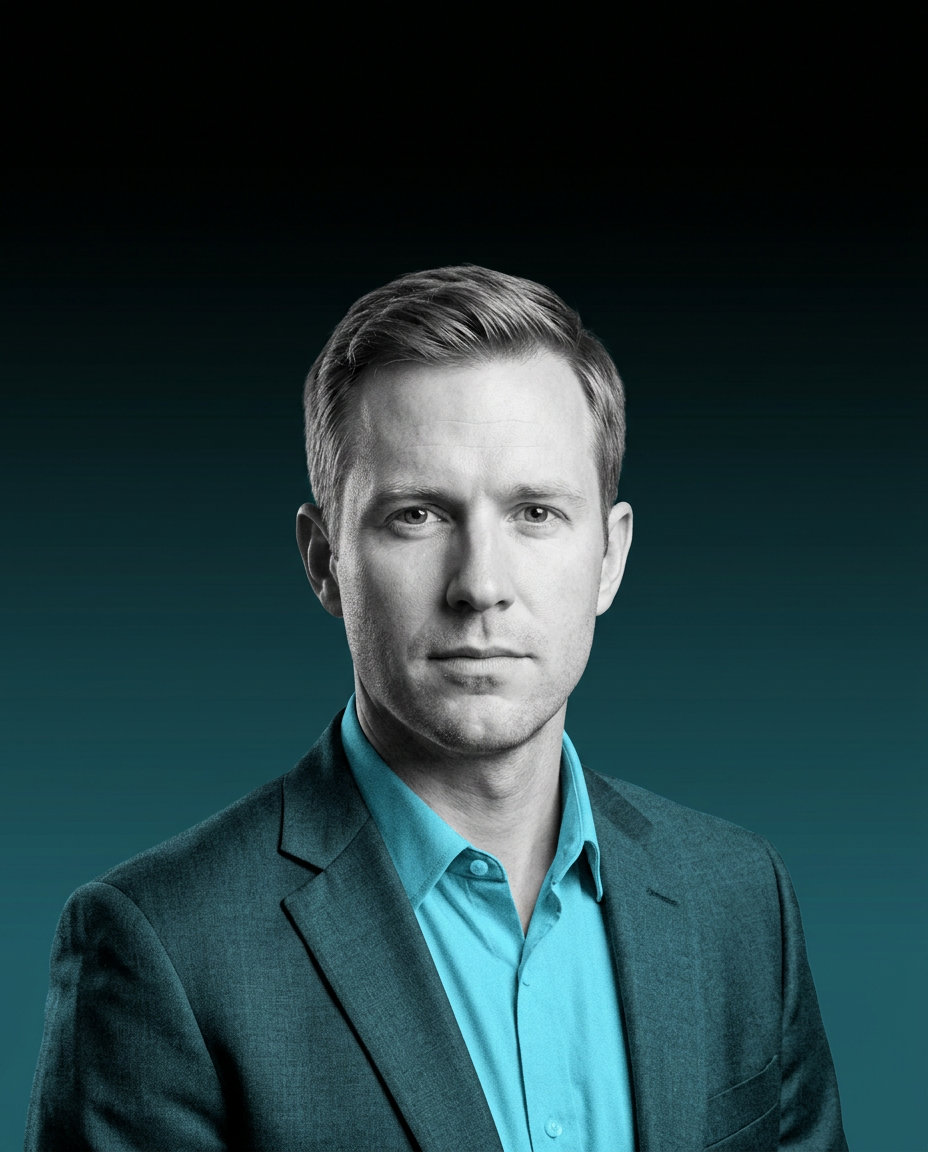
(P1) SoftBank Group is considering a significant leadership restructuring that would see Arm Holdings CEO Rene Haas also take charge of the Japanese conglomerate's international business, a move that could impact its $150 billion portfolio. The Financial Times first reported the potential dual-role appointment on April 9, 2026, citing multiple sources familiar with the internal discussions.
(P2) "This is a classic high-synergy versus high-risk governance scenario," said Kenji Tanaka, a senior analyst at Tokyo Equity Research. "Investors will be watching to see if this streamlines decision-making or if it creates an untenable concentration of power and focus for a CEO running a business as critical as Arm."
(P3) Following the report, shares of Arm (ARM) showed minimal movement in pre-market trading, indicating investor uncertainty. SoftBank Group's stock (9984.T) in Tokyo saw a slight uptick of 0.5 percent as the market digests the potential for a more integrated strategy. The proposed change comes as SoftBank seeks to maximize returns from its key holdings, with Arm's performance being central to its success.
(P4) The core issue at stake is the strategic alignment between SoftBank's broader investment portfolio and its crown jewel, the UK-based chip designer Arm. A dual-hatted CEO could ensure SoftBank's international assets are leveraged to support Arm's ecosystem growth. However, it also raises questions about how Haas would balance the interests of two distinct sets of shareholders and corporate priorities, a challenge that will be critical to the future valuation of both entities.
A Move Toward Strategic Consolidation
The discussions to install Haas in a dual leadership capacity are seen as a move by SoftBank to create a more cohesive global strategy. By placing the head of its most successful recent investment in charge of its other international assets, SoftBank could be aiming to replicate Arm's growth and operational discipline across a diverse and often unwieldy portfolio. This comes after SoftBank has divested from numerous other holdings to focus on the AI revolution, where Arm's chip designs are fundamental.
Governance Concerns in Focus
Conversely, the potential appointment raises corporate governance red flags. A dual-CEO structure is rare in modern corporate governance for a reason. It can lead to conflicts of interest, particularly when decisions about capital allocation or inter-company transactions arise. Public shareholders of Arm may be concerned that decisions could be made to benefit the broader SoftBank group at the expense of Arm's own strategic path. The market's muted initial reaction suggests that investors are waiting for more concrete details on the reporting structure and safeguards before passing judgment.
This article is for informational purposes only and does not constitute investment advice.