İki bellek yongası üreticisi aynı hafta içinde trilyon dolar sınırını aşarak, yapay zeka altyapı harcamalarının yarı iletken sektörünün güç dengesini ne kadar derinden yeniden şekillendirdiğini gösteren bir dönüm noktasına imza attı.
İki bellek yongası üreticisi aynı hafta içinde trilyon dolar sınırını aşarak, yapay zeka altyapı harcamalarının yarı iletken sektörünün güç dengesini ne kadar derinden yeniden şekillendirdiğini gösteren bir dönüm noktasına imza attı.
İki bellek yongası üreticisi aynı hafta içinde trilyon dolar sınırını aşarak, yapay zeka altyapı harcamalarının yarı iletken sektörünün güç dengesini ne kadar derinden yeniden şekillendirdiğini gösteren bir dönüm noktasına imza attı.
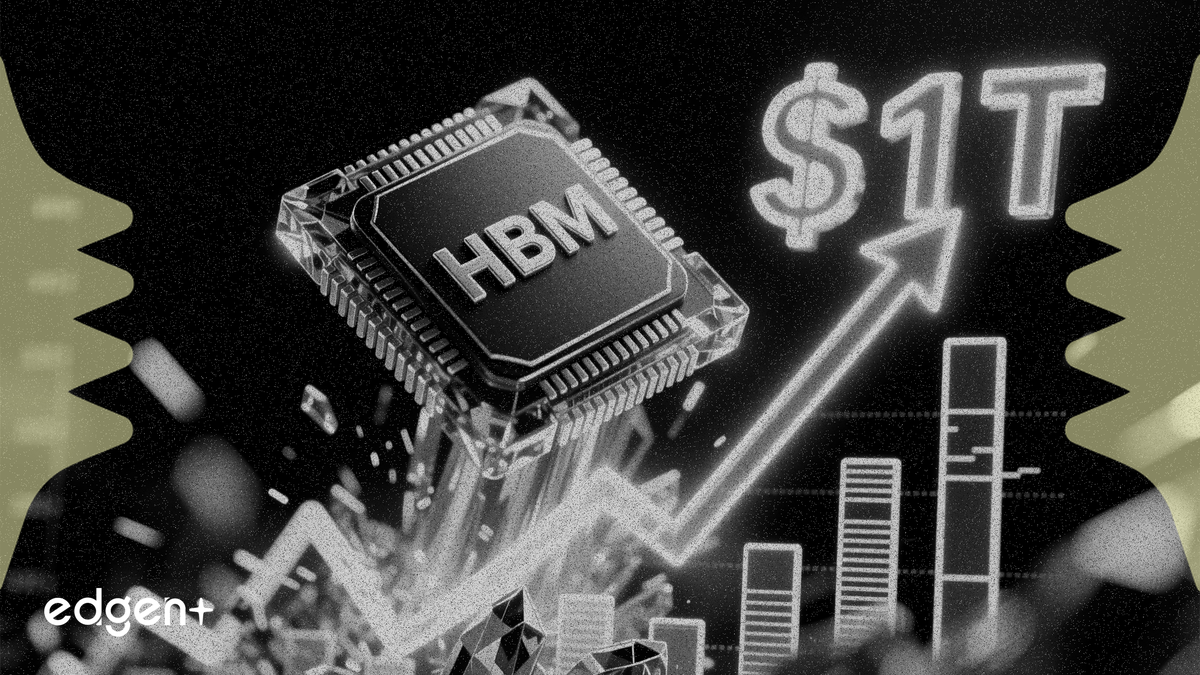
SK Hynix Inc., Çarşamba günü Seul'deki işlemlerde 1 trilyon dolar piyasa değerini aşarak Micron Technology Inc.'in ardından trilyon dolar kulübüne katıldı. Bunun itici gücü, Nvidia Corp.'un yapay zeka işlemcilerinde kullanılan yüksek bant genişlikli belleğe (HBM) olan talebin 2027'ye kadar arzı aşması oldu.
UBS'te bir analist, "SK Hynix, Vera Rubin platformu için Nvidia'nın tedarik zincirinde fiilen darboğaz haline geldi ve bu fiyatlandırma gücü artık piyasa değerine yansıyor" dedi. Analist, Koreli firmanın Rubin sistemi için HBM4 siparişlerinin yaklaşık yüzde 70'ini elinde bulundurduğunu tahmin ediyor.
Hisse senedi, gün içinde yüzde 15'e kadar yükseldikten sonra günü yüzde 9,8 artışla kapatarak piyasa değerini yaklaşık 1.624 trilyon wona, yani 1,08 trilyon dolara taşıdı. Bu ralli, hisseleri yaklaşık yüzde 900 oranında yükselten 24 aylık bir serinin devamı niteliğinde ve SK Hynix'i Nvidia ve TSMC'nin ardından trilyon dolar sınırını aşan üçüncü çip üreticisi ve bunu başaran ilk özel bellek uzmanı yapıyor. 2026 yılı tam yıl HBM kapasitesinin tamamı satılmış durumda ve kıtlıkların gelecek yıla kadar sürmesi bekleniyor.
Bu dönüm noktası, SK Hynix'in yaklaşık 14 milyar dolar toplaması beklenen planlanan ABD çifte halka arzı için bahsi yükseltirken, dünyanın en büyük bellek üreticisi Samsung Electronics Co. üzerinde de baskı yaratıyor. Samsung, 2026 yılını HBM4 kalifikasyonunda gözle görülür şekilde geride geçirirken, bir iş anlaşmazlığı da bellek üretimini yavaşlattı. Yatırımcılar için soru, bu döngünün geçmiş bellek patlamaları gibi mi davranacağı yoksa yapay zeka odaklı talebin sektörün oynaklığını yapısal olarak değiştirip değiştirmediği.
Nvidia'nın yayınladığı teknik özelliklere göre, her bir Rubin ünitesi sekiz yığın halinde 288 GB HBM4 tüketiyor ve 22 TB/s sistem bant genişliği sağlıyor. SK Hynix için ima edilen birim ekonomisi muazzam: HBM4 yığınları, emtia DRAM'in çok üzerinde primlerle satılıyor ve Nvidia'nın Rubin sipariş defteri yüz binlerce birime ulaşıyor. Jensen Huang, bu hafta Taipei'deki Vera Rubin lansmanını "muhtemelen Tayvan tarihindeki en büyük ürün lansmanı" olarak tanımladı.
Rekabet dinamikleri
Samsung'un zorlukları, SK Hynix'e alışılmadık derecede geniş bir hendek kazandırdı. Koreli dev, bellek üretim hatlarını aksatan bir iş anlaşmazlığının sonuçlarıyla uğraşırken, Micron Rubin tasarım kazanımlarından daha küçük bir pay aldı. Şimdilik, herkesin sıraya girdiği üretici SK Hynix. Şirket, on yılın ikinci yarısı boyunca sürecek talebe göre boyutlandırılmış P&T7 HBM paketleme tesisi için 13 milyar dolar yatırım yapıyor.
Kaçakçılık soruşturması
Ayrı ayrı, Tayvanlı savcılar üç kişiden Nvidia çiplerini Japonya üzerinden Çin'e kaçırdıklarından şüphelendiklerini söyledi. Bu dava, gelişmiş yarı iletkenler üzerinde daha sıkı ihracat kontrollerine yol açabilir. Soruşturma, Washington'un çip ihracat kısıtlamaları ile Çin'in yapay zeka hesaplama gücü talebi arasındaki artan gerilimi vurguluyor. Kontrollerin sıkılaştırılması, Çinli alıcılara gelişmiş çip arzını daha da kısıtlayacak ve Nvidia'nın tedarikini uyumlu tedarikçiler arasında yoğunlaştırarak potansiyel olarak SK Hynix ve Micron'a fayda sağlayacaktır.
Dayanıklılık sorusu
Bellek, ünlü bir şekilde döngüsel bir iştir ve mevcut yükseliş döngüsü, hiç bitmeyecekmiş gibi fiyatlanıyor. SK Hynix'in kapasite genişlemesi sürdürülebilir talebe göre boyutlandırılmış olsa da, Nvidia'nın Rubin Ultra talebinin tahmin edildiği gibi gerçekleşmemesi durumunda, bellek hisselerinin tarihsel modeli kazançları hızla geri vermeleridir. SK Hynix, halihazırda birkaç yıllık daha HBM odaklı büyümeyi fiyatlayan bir değerlemeyle işlem görüyor ve hataya çok az yer bırakıyor.
Bu makale yalnızca bilgilendirme amaçlıdır ve yatırım tavsiyesi niteliği taşımaz.
