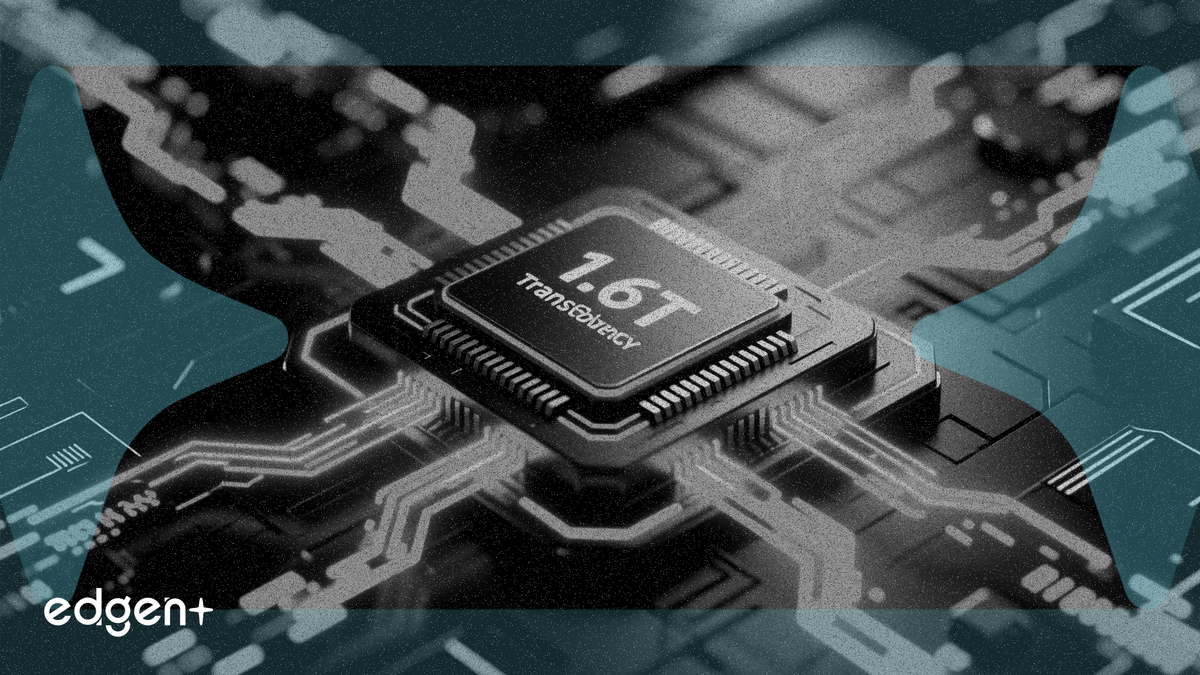
Sivers Semiconductors ve Jabil, AI veri merkezlerinde enerji kullanımını ciddi oranda azaltmayı amaçlayan yeni bir 1,6T optik modül üzerinde ortaklık kurarak mevcut donanım tedarikçilerine doğrudan meydan okuyor.
Sivers Semiconductors, AI veri merkezlerinin yüksek enerji tüketimini 2,5 kat azaltmak ve mevcut bileşen tedarikçilerine meydan okumak amacıyla 1,6T takılabilir optik alıcı-verici geliştirmek için üretim devi Jabil ile iş birliği yapıyor.
Jabil Bulut ve Kurumsal Altyapı Kıdemli Başkan Yardımcısı Matt Crowley, "Büyük AI modellerini eğitmek ve çalıştırmak için gereken devasa güç gereksinimleri, veri merkezi müşterilerimiz için bir termal ve maliyet darboğazı oluşturuyor" dedi. "Sivers ile olan bu iş birliği, pazarın ihtiyaç duyduğu 1,6T hızlarını sürdürülebilir ve ekonomik bir güç profiliyle sunmamızı sağlıyor."
Yeni modül, Sivers'ın yüksek performanslı Dağıtılmış Geri Beslemeli (DFB) lazer teknolojisini kullanan bir 1,6T lineer alım optik (LRO) alıcı-vericisi olacak. Bu tasarım, geleneksel alıcı-vericilerde güç tüketiminin ana itici gücü olan dijital sinyal işlemeye (DSP) duyulan ihtiyacı ortadan kaldırarak enerji ayak izinde önemli bir azalma sağlıyor.
Bu hamle, Sivers (STO: SIVE) ve Jabil'i (NYSE: JBL), şu anda Broadcom ve Marvell Technology gibi oyuncuların hakimiyetinde olan ve hızla büyüyen AI altyapı pazarından pay alacak şekilde konumlandırıyor. Başarılı olması durumunda, veri merkezi operatörleri hızla artan güç maliyetleriyle mücadele ederken, enerji tasarruflu tasarım kilit bir fark yaratıcı unsur haline gelebilir.
OpenAI ve Google gibi şirketlerin modelleri tarafından yönlendirilen AI işleme konusundaki doymak bilmez talep, veri merkezlerinin benzeri görülmemiş düzeyde doğu-batı trafiğini yönetmesini gerektiriyor. 1,6T ara bağlantılara yükseltme yapmak 800G'den sonraki mantıklı adımdır, ancak hızı sadece iki katına çıkarmak muazzam güç ve soğutma zorlukları yaratır. Enerji verimliliğinde 2,5 katlık bir iyileşme, doğrudan daha düşük işletme giderleri ve daha küçük bir karbon ayak izi anlamına gelir ki bu, hiper ölçekli operatörler için kritik bir endişedir.
Sivers ve Jabil rekabetçi bir alana giriyor. Nvidia'nın NVLink ve InfiniBand teknolojileri AI kümeleri içinde baskın ağ teknolojileriyken, Broadcom ve Marvell yerleşik yüksek hızlı optik bileşen portföylerine sahiptir. Ancak, lineer alımlı, DSP'siz bir mimariye odaklanmak, bir sonraki donanım döngüsünde güç verimliliğinin veri merkezi mimarları için en kritik faktör haline geleceğine dair spesifik bir teknik bahistir.
Yarı iletken alanında daha küçük bir oyuncu olan Sivers için, Jabil gibi bir üretim deviyle yapılan bu iş birliği, ölçekli üretim için net bir yol sağlıyor. Anlaşma, DFB lazer teknolojisini yüksek hacimli AI pazarı için onaylıyor. Jabil için ise bu, genel bir üreticiden kilit etkinleştirici teknoloji geliştiricisine doğru değer zincirinde stratejik bir yükselişi temsil ediyor. Sektör tahminlerine göre 2027 yılına kadar 400 milyar doların üzerine çıkması beklenen veri merkezi segmentinde, bu 1,6T modülün başarısı her iki şirketin gelirlerini önemli ölçüde etkileyebilir.
Bu makale yalnızca bilgilendirme amaçlıdır ve yatırım tavsiyesi teşkil etmez.