
Key Takeaways:
- XAG/USD trades below $59.00 after renewed US-Iran military exchanges
- Strait of Hormuz disruptions drive safe-haven demand for precious metals
- Gold holds above $3,950/oz; Brent crude rises to $72.49 on supply risks
Key Takeaways:
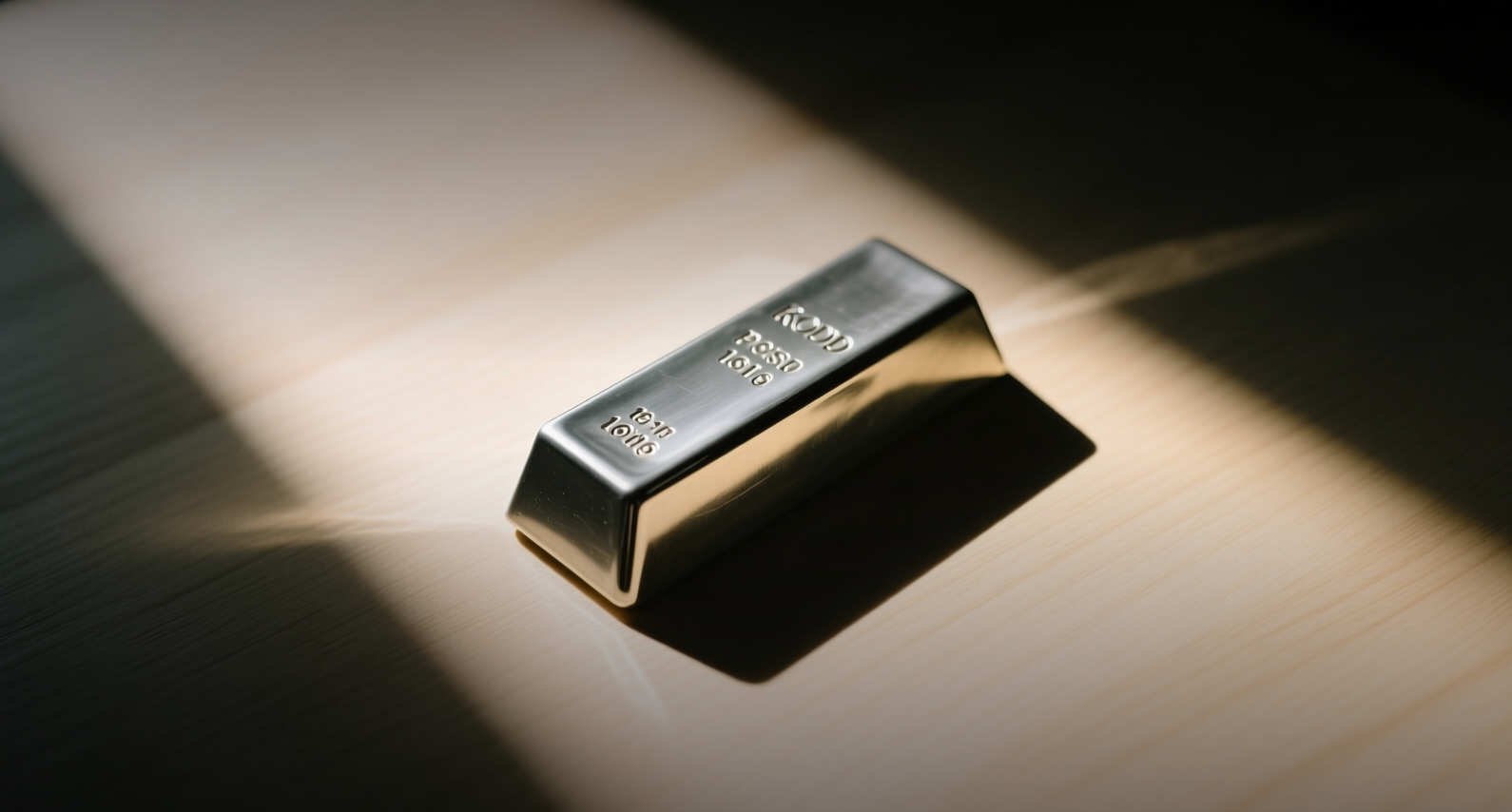
Silver traded below $59.00 per ounce on June 28, as renewed US-Iran strikes around the Strait of Hormuz boosted safe-haven demand for precious metals.
Gold held above $3,950 per ounce, while Brent crude rose to $72.49 a barrel, reflecting the cross-asset impact of the geopolitical risk premium, according to exchange data. WTI crude also advanced as traders priced in potential supply disruptions through the chokepoint, which handles about 20 million barrels of oil daily, or roughly a fifth of global shipments.
The US and Iran exchanged military strikes near the Strait of Hormuz, disrupting shipping routes and heightening supply-risk premiums across commodity markets. Precious metals typically benefit during such episodes as investors rotate into assets perceived as stores of value independent of geopolitical turmoil. The simultaneous rise in crude prices shows the dual nature of the risk: direct supply disruption to energy markets and indirect demand for safe-haven assets.
Silver has remained below the $59.00 threshold since the escalation began, with the level acting as near-term resistance. A decisive break above $59.00 could open a path toward $62.00, based on prior trading ranges from earlier in 2026. On the downside, support sits near $57.50, a level that held during the initial volatility spike.
Gold, the primary safe-haven metal, has held above $3,950 and could target $4,350 if geopolitical risks intensify, according to market analysis. A break above $4,350 would set up a potential move toward $5,000. The correlation between gold and silver remains elevated during risk-off episodes, with both metals benefiting from the same macro driver. Silver's performance relative to gold — the gold-to-silver ratio — has narrowed as the white metal catches up to gold's gains.
The Strait of Hormuz chokepoint is critical for global energy markets. Any sustained disruption would ripple through refined product markets and industrial supply chains, potentially feeding into broader inflationary pressures that further support precious metals as hedges. Oil at $72.49 for Brent and elevated gold prices suggest markets are pricing in a prolonged risk premium rather than a short-lived spike.
The trajectory for silver and gold hinges on whether the Hormuz situation de-escalates or draws in additional parties. Traders are watching for diplomatic signals from the US and Iran, as well as any statements from Gulf Cooperation Council nations that could indicate a path toward de-escalation. The next catalyst for silver will be the weekly COMEX inventory report and any further military developments in the region.
This article is for informational purposes only and does not constitute investment advice.
