

The move signals a renewed focus on fossil fuel production by European energy majors, even as the global transition to cleaner energy sources continues to gather pace.
The move signals a renewed focus on fossil fuel production by European energy majors, even as the global transition to cleaner energy sources continues to gather pace.
The move signals a renewed focus on fossil fuel production by European energy majors, even as the global transition to cleaner energy sources continues to gather pace.
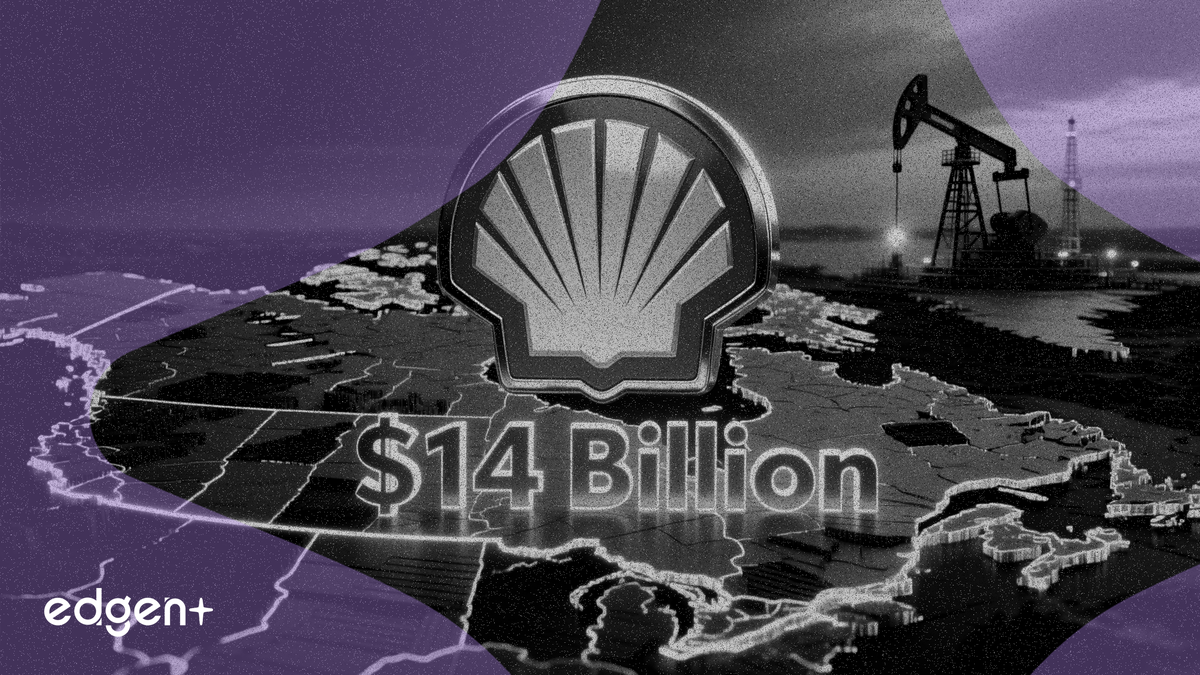
Shell Plc will acquire a Canadian shale company for $14 billion in its largest deal in a decade, a move that significantly boosts its oil and gas production and signals a strategic pivot back towards fossil fuels for the European energy giant.
"This acquisition is a clear statement of intent from Shell to replenish its reserves and ensure long-term production growth," said an analyst from a major financial institution.
The all-cash transaction, which is expected to close in the second half of 2026, will add approximately 250,000 barrels of oil equivalent per day (boepd) to Shell's production. The deal values the Canadian company's assets at roughly $56,000 per flowing barrel, a premium to recent transactions in the sector.
The acquisition comes as major oil and gas companies are flush with cash from high energy prices and are looking to reinvest in their core businesses. For Shell, the deal represents a significant bet on the future of oil and gas demand, even as it faces pressure from investors and governments to accelerate its transition to renewable energy. The move could also trigger a new wave of consolidation in the North American shale patch, as other producers look to scale up to compete.
The acquisition marks a significant strategic shift for Shell, which has been under pressure from activist investors to reduce its carbon footprint. While the company remains committed to its net-zero emissions target by 2050, this deal suggests that it sees a long-term role for oil and gas in the global energy mix. The move is also a vote of confidence in the Canadian energy sector, which has faced challenges in recent years due to pipeline constraints and volatile prices.
The deal is the latest in a series of large-scale acquisitions in the energy sector, as companies look to build scale and reduce costs. Last year, Exxon Mobil and Chevron announced mega-mergers with Pioneer Natural Resources and Hess Corp., respectively. This trend is expected to continue as smaller producers are snapped up by larger players with the financial muscle to weather market volatility and invest in new technologies.
This article is for informational purposes only and does not constitute investment advice.