
The passage of a second Japanese-linked vessel through the Strait of Hormuz tests the credibility of a de facto blockade on the critical energy chokepoint.
The passage of a second Japanese-linked vessel through the Strait of Hormuz tests the credibility of a de facto blockade on the critical energy chokepoint.
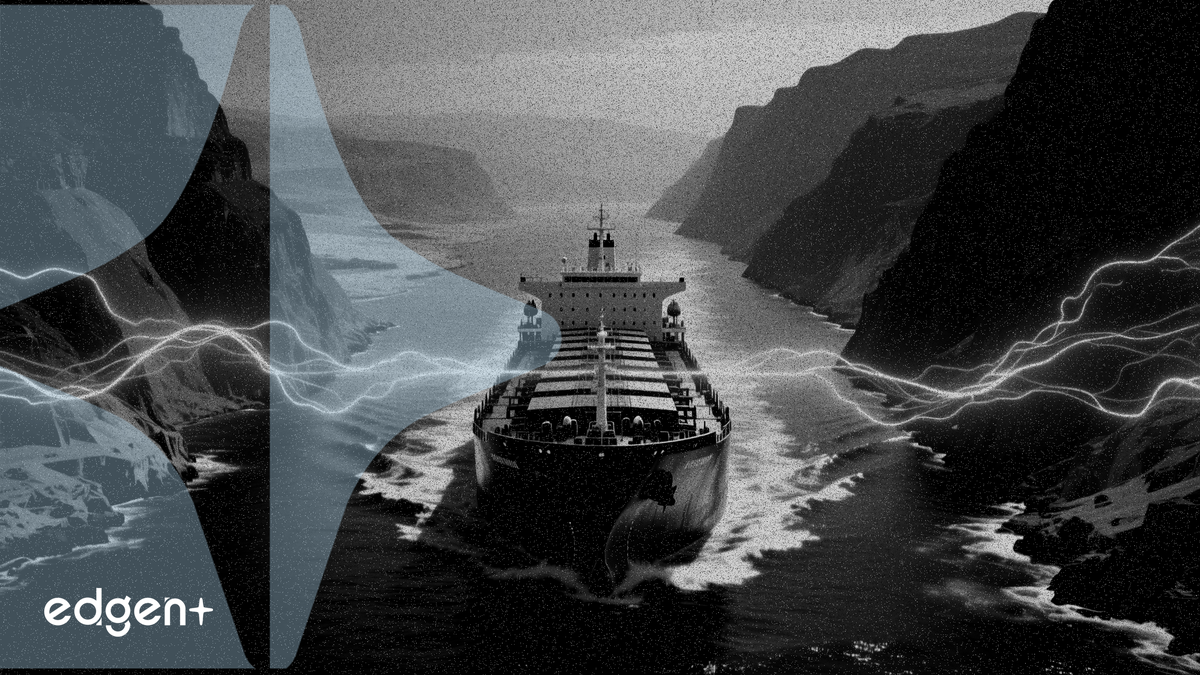
The successful transit of a second Japanese-affiliated vessel through the Strait of Hormuz before April 4 introduces fresh uncertainty into a tense global energy market. The ship, a liquefied petroleum gas (LPG) carrier connected to Mitsui O.S.K. Lines, navigated the critical waterway despite a de facto blockade that has threatened to disrupt supply.
"An LPG carrier from a company affiliated with Mitsui O.S.K. Lines passed through the Strait of Hormuz before Japan time on April 4," according to a report from CCTV News, which confirmed the event.
This marks the second such passage since the blockade began, raising questions about its enforcement. The Strait of Hormuz is the world's most important oil chokepoint, with nearly 20% of global petroleum liquids consumption passing through it daily. Any disruption poses a significant threat to energy security and can cause immediate price reactions in benchmarks like Brent and WTI crude.
The event presents two divergent scenarios for energy markets. If the blockade is proven to be porous, allowing select vessels to pass, it could temper fears of a full-scale supply disruption and help stabilize oil and gas prices. However, if this passage provokes a stricter enforcement of the blockade, it could trigger a sharp price spike on fears of escalating conflict and constrained supply. The market now watches to see if a third vessel will follow.
This article is for informational purposes only and does not constitute investment advice.