

The SEC's first permanent crypto rule gives token issuers a federal path to raise capital — and it's already moving markets.
The SEC's first permanent crypto rule gives token issuers a federal path to raise capital — and it's already moving markets.
The SEC's first permanent crypto rule gives token issuers a federal path to raise capital — and it's already moving markets.
The SEC proposed Regulation Crypto Assets on Aug. 18, creating a $5 million startup exemption and a $75 million annual fundraising tier that give token issuers a federal path to raise capital without full securities registration.
Chairman Paul Atkins called the proposal "the most historic step yet" to modernize securities regulations for digital assets, saying it replaces the previous administration's approach that left the sector in "rulemaking purgatory."
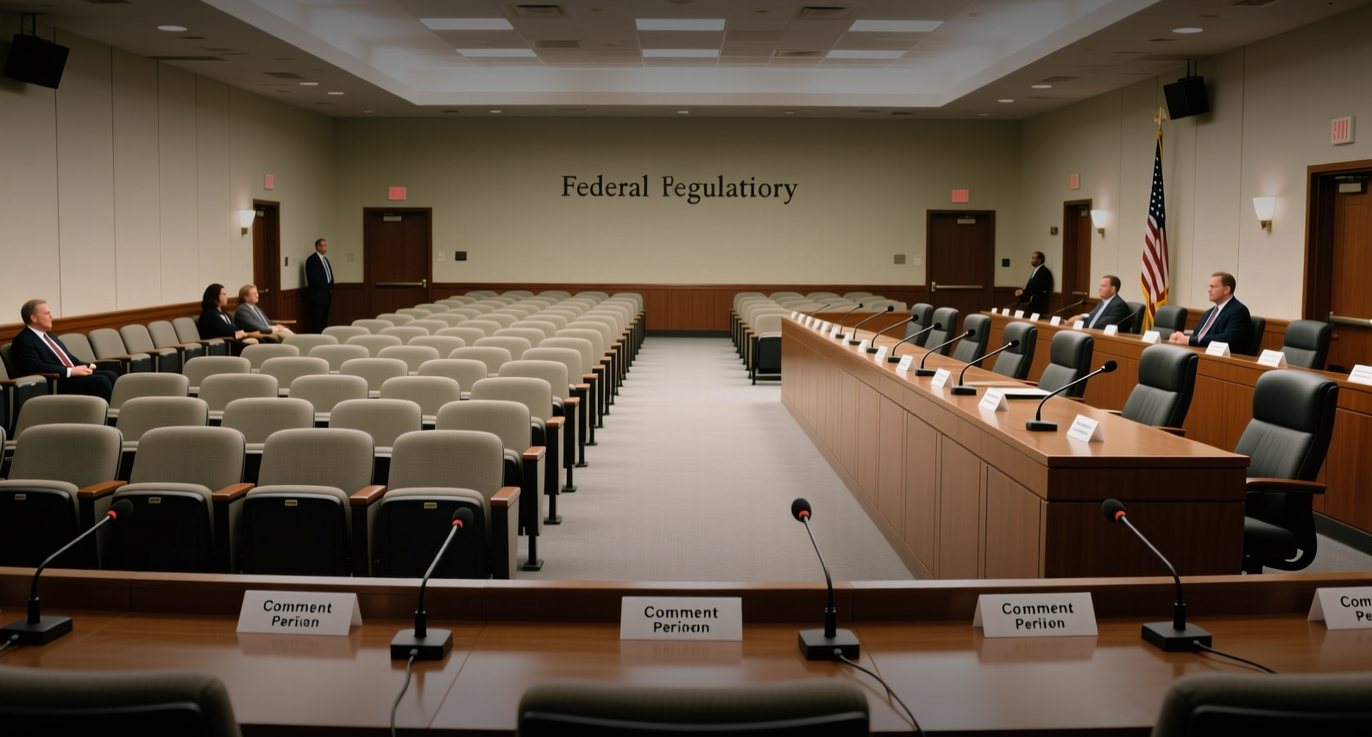
The framework includes a safe harbor allowing tokens to exit securities classification once issuers complete or permanently cease essential managerial efforts, and it preempts state securities laws for covered investment contracts, including secondary transactions. The proposal requires principles-based disclosures for both exemption tiers, with the $75 million tier mandating audited financial statements and ongoing reporting. A 60-day public comment period opens after publication in the Federal Register.
The proposal arrives as the CLARITY Act remains stalled in the Senate, and it follows a March MOU between the SEC and CFTC to coordinate crypto rulemaking. Market reaction was immediate — BNB jumped 5.75% to $679 on Aug. 21, reclaiming its 200-day EMA at $648 for the first time in weeks, though the token still sits 52% below its October 2025 all-time high of $1,370.
The startup exemption is a one-time, non-exclusive allowance permitting offerings of up to $5 million over a four-year period. The fundraising exemption mirrors Reg A structure: Tier 1 allows up to $20 million in a 12-month period, while Tier 2 permits up to $75 million annually but requires audited financial statements and periodic reporting.
Commissioner Mark Uyeda said the proposal replaces "guesswork with fixed thresholds, defined disclosure obligations, and a set of conditions that issuers can measure themselves against before they make their offering." Commissioner Hester Peirce described it as one step on the road to a "clear, sensible, enforceable regulatory framework for crypto."
BNB responded with a 5.75% jump to $679 on Aug. 21, reclaiming its 200-day EMA at $648 for the first time in weeks, per Investing.com data. The VanEck BNB ETF, launched in May, holds just $2.19 million in net assets and has declined 12% since inception — a sign that regulatory clarity alone may not be enough to drive institutional demand.
The proposal's state preemption provisions could face legal challenges. States previously sued the SEC over Reg A+ and lost, but they retain fraud enforcement authority. The CLARITY Act, which would establish a broader federal framework for crypto markets, remains held up in the Senate as midterm election politics play out.
For market participants, the 60-day comment period is the next milestone. If finalized, Regulation Crypto Assets would give US-based issuers a compliance path that has been absent since the SEC's enforcement-first approach under the prior administration.
This article is for informational purposes only and does not constitute investment advice.
