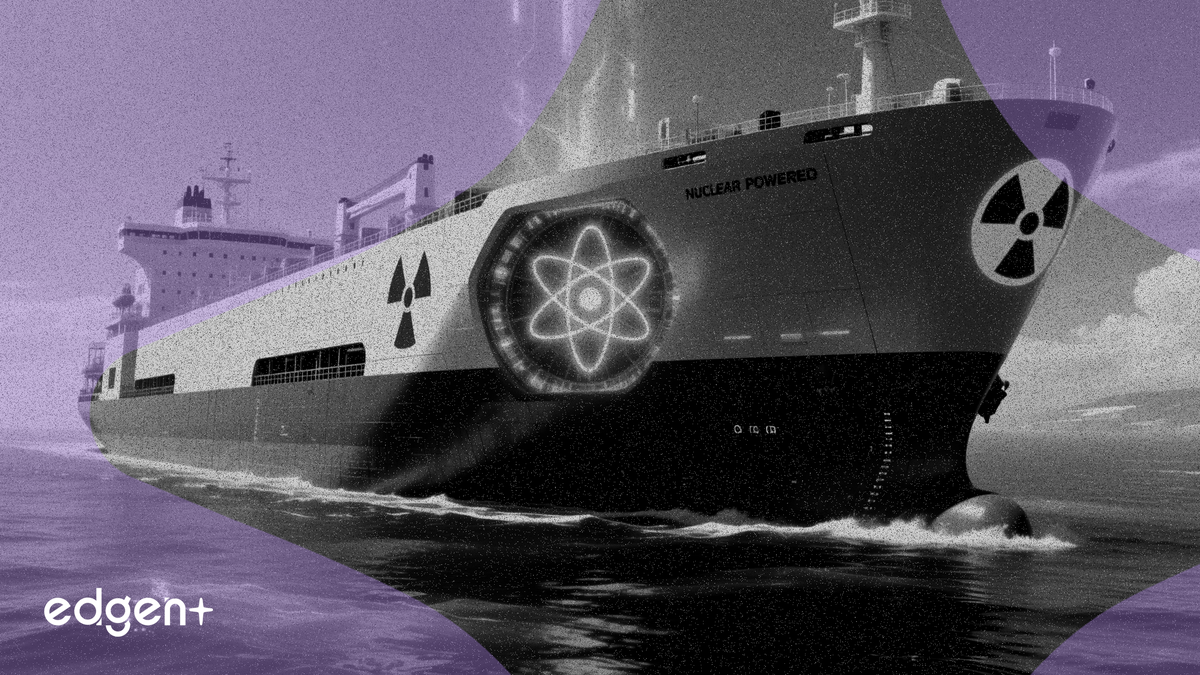
(P1) Scorpio Tankers Inc. is partnering with AMPERA Inc. to develop and commercialize micronuclear power for its fleet of more than 100 vessels, a move that could slash the shipping industry's carbon footprint and upend vessel operating economics. The collaboration, announced on April 2, 2026, aims to create a new generation of zero-emission propulsion technology.
(P2) "This strategic collaboration with AMPERA is a pivotal step towards achieving our ambitious goal of decarbonizing the shipping industry," Scorpio Tankers said in a statement. "Micronuclear power offers a viable path to creating next-generation, zero-emission propulsion technology."
(P3) The partnership brings together Scorpio Tankers, one of the world's largest product tanker owners, and AMPERA, a developer of advanced micronuclear power solutions. The joint venture will focus on adapting AMPERA's technology for the unique demands of the global marine and shipping markets, which currently rely heavily on fossil fuels.
(P4) For investors, the collaboration could position Scorpio Tankers as a first-mover in adopting a potentially revolutionary technology. If the development is successful and commercially viable, it could drastically lower long-term fuel and operating costs, improve the company's ESG rating, and create a significant competitive advantage over rivals still reliant on conventional marine fuels.
A New Nuclear Era for Shipping
The technology at the heart of the partnership is the micronuclear reactor, a compact power source typically generating 1 to 20 megawatts of electrical power. Unlike large, conventional nuclear reactors, these smaller versions are designed to be factory-built and transported to the point of use, making them a potential fit for maritime vessels. They are expected to be powered by High-Assay Low-Enriched Uranium (HALEU), which has a higher concentration of uranium-235 than conventional nuclear fuel, allowing for smaller reactor designs and longer refueling intervals.
The initiative represents a significant technological pivot for the shipping industry, which is under increasing pressure to decarbonize. While competitors like Maersk are investing heavily in methanol-powered vessels, Scorpio's bet on nuclear could offer a more powerful and potentially longer-term solution. However, the path to adoption is long, with significant regulatory hurdles from the International Maritime Organization and national bodies to overcome before reactors can be installed on commercial vessels.
The Investment Case and Competitive Horizon
The move could reshape the competitive landscape of the tanker industry. Success would give Scorpio Tankers a powerful cost advantage, as nuclear power would eliminate exposure to volatile oil prices, which constitute a major part of a vessel's operating expenses. This could force competitors like Euronav and TORM to consider similar technologies or risk being left behind with higher-cost, higher-emission fleets.
Scorpio Tankers' (NYSE: STNG) stock will be closely watched as the project develops. While the announcement is a long-term catalyst, any concrete technological or regulatory milestones could provide significant upside. The project's success hinges on AMPERA's ability to deliver a commercially viable and safe reactor, and the partnership's ability to navigate the complex web of international maritime and nuclear regulations. Failure to do so would leave the company at a disadvantage to those pursuing more established alternative fuel paths.
This article is for informational purposes only and does not constitute investment advice.