
Science Corp's PRIMA retinal implant, a brain-computer interface device smaller than a grain of rice, restored functional central vision in 84 percent of patients with geographic atrophy, enabling them to read letters, numbers and words again.
Science Corp's PRIMA retinal implant, a brain-computer interface device smaller than a grain of rice, restored functional central vision in 84 percent of patients with geographic atrophy, enabling them to read letters, numbers and words again.
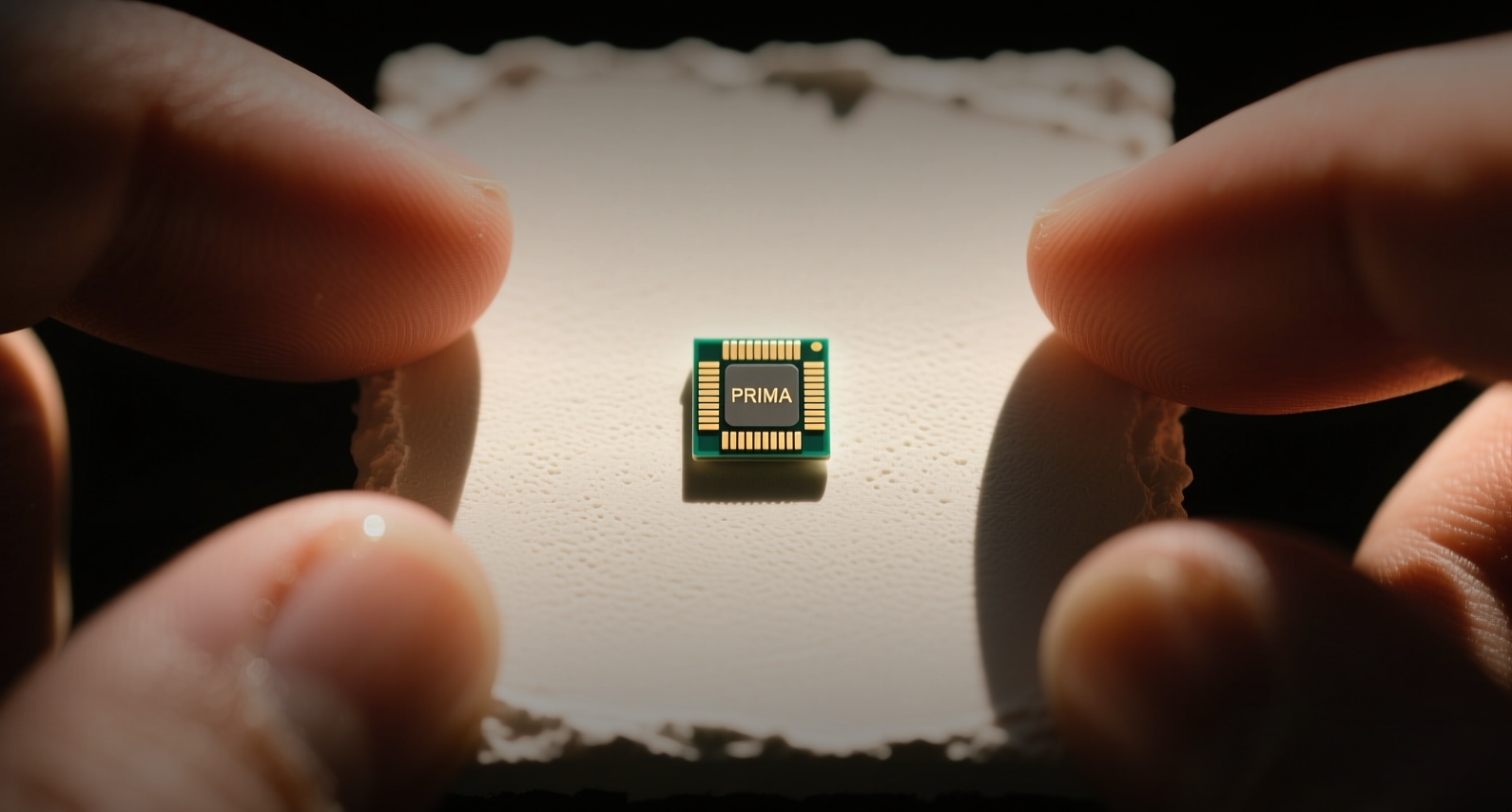
A brain-computer interface smaller than a grain of rice is now commercially available across 30 European countries, offering the first CE-marked implant capable of restoring form vision in patients blinded by advanced macular degeneration.
Science Corp.'s PRIMA retinal implant improved visual acuity by a mean of 25.5 letters on the ETDRS chart in a 38-patient trial across 17 clinical sites, with 84 percent of participants regaining the ability to read letters, numbers and words, the company said in a press release.
"This closes the loop on a decades-long quest to replace lost photoreceptors with electronics," Max Hodak, CEO and cofounder of Science Corp., said. "For decades, losing central vision to this disease meant losing the ability to read, recognize faces and ultimately losing independence. There was no viable treatment. Now there is."
The 2-millimeter-by-2-millimeter subretinal implant uses 378 photovoltaic pixels to convert near-infrared light projected from specialized glasses into electrical signals that stimulate bipolar cells, bypassing the damaged photoreceptors. A zoom function allows patients to magnify text. At 12 months, 80 percent of patients achieved a gain of at least 10 ETDRS letters (P < .001), according to the data supporting the CE certification from DEKRA, an independent German testing organization.
Geographic atrophy, the advanced form of dry age-related macular degeneration, progressively destroys photoreceptors in the central retina and affects nearly 1 million people in the U.S. who are legally blind from the condition. Worldwide, as many as 288 million people are expected to develop macular degeneration by 2040, according to published estimates. The PRIMA implant is designed for severely sight-impaired adults with geographic atrophy who have lost central vision completely.
The CE marking positions Science Corp. as the first brain-computer interface company to bring a vision-restoring implant to market at scale. The company, which raised $230 million in Series C funding in March for a total of $490 million, acquired the PRIMA intellectual property from Pixium Vision in 2024. The technology was originally developed at Stanford University.
Science Corp. is now working with the U.S. Food and Drug Administration to bring PRIMA to the American market. The device has received FDA Breakthrough Device designation and two Humanitarian Use Device designations — one for advanced geographic atrophy and another for Stargardt disease, a rare inherited retinal condition. The company expects to sell 20 to 40 devices in Europe by the end of 2026 and as many as 200 by the end of 2027 if U.S. approval is granted.
The implant faces a different competitive approach from Neuralink's Blindsight device, which received FDA Breakthrough Device designation in 2024. While PRIMA stimulates retinal cells to replace lost photoreceptors, Blindsight targets the visual cortex directly, bypassing the eye and optic nerve entirely. Both devices remain in early commercial or development stages, with no head-to-head clinical data available.
For investors, the CE marking de-risks Science Corp.'s regulatory pathway and validates the photovoltaic retinal stimulation approach after Pixium Vision's earlier struggles to commercialize the technology. The company's $490 million in total funding reflects investor appetite for neural interface platforms with a cleared product, though reimbursement details in Europe remain under negotiation and U.S. market access depends on securing a Humanitarian Device Exemption from the FDA.
This article is for informational purposes only and does not constitute investment advice.
