
Six months after the US-Israel strikes on Iran, Senate Democratic Leader Chuck Schumer declared the conflict a "complete failure" that depleted American weapons reserves and weakened the military's global posture.
Six months after the US-Israel strikes on Iran, Senate Democratic Leader Chuck Schumer declared the conflict a "complete failure" that depleted American weapons reserves and weakened the military's global posture.
Senate Democratic Leader Chuck Schumer called President Trump's six-month war on Iran a "complete failure" Friday, saying the conflict drained US weapons stockpiles and weakened military posture.
"Six months in, Trump's disastrous war on Iran has achieved nothing — it has only exhausted our weapons reserves and damaged our military position," Schumer said in a post on X, citing reports that Patriot missile inventories deployed in Europe have fallen "far beyond the critical warning line."
The criticism lands as the conflict has produced an estimated 8,000-10,000 deaths and tens of thousands of injuries. The US has lost 18 soldiers with more than 750 wounded, while Iran has sustained at least 1,221 military fatalities by April. Trump claimed roughly 82 percent of Iran's ballistic missiles have been destroyed and 158 naval vessels hit, yet Tehran continues to launch strikes — most recently a long-range missile that killed three US soldiers in Jordan in July.
The war's toll extends beyond the battlefield. The Pentagon has signed a $22.9 billion deal with Raytheon to boost Tomahawk cruise missile production from 60 to more than 1,000 annually, while Patriot interceptor stockpiles — produced in the dozens each year at millions of dollars per unit — face critical shortages. With two-thirds of Americans opposing the conflict per a July AP poll and gasoline prices doubling in states like California, the political fallout could reshape November's midterms.
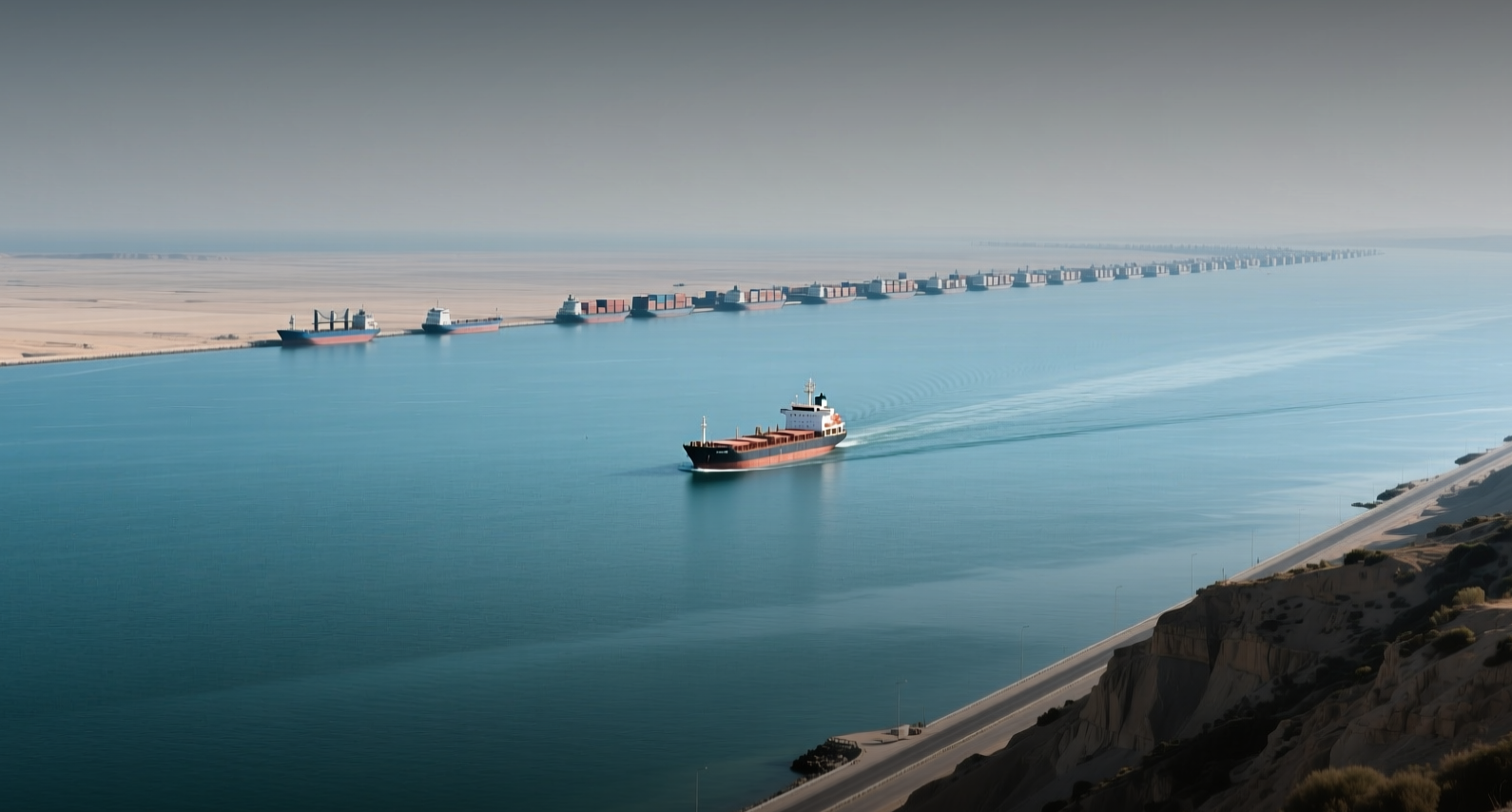
The Strait of Hormuz, through which more than one-fifth of global oil and natural gas transited before the war, has seen shipping traffic collapse from more than 100 vessels daily to roughly five. Iran's closure of the waterway has cut its own oil revenue by at least $6 billion under the US blockade, while the rial has effectively collapsed and food prices have surged.
Observers say neither side has achieved its objectives. "Both of them have not achieved anything," said Alam Saleh, professor at the Australian National University, noting the US has failed to translate military superiority into actual gains despite being a "superpower" fighting a "middle power." Iran's nuclear program remains partially intact — Tehran still possesses 440kg of highly enriched uranium — and the regime has shown no signs of abandoning its ballistic missile program or support for regional proxies.
The war has also realigned regional alliances. The Mecca Joint Defense Agreement signed Aug. 7 by Pakistan, Saudi Arabia and Turkey marks the first such security arrangement since the Baghdad Pact of 1955, as Gulf states seek alternatives to US protection. Iran's attacks on infrastructure in Qatar, the UAE, Saudi Arabia, Jordan, Iraq, Kuwait, Oman and Bahrain have alienated Arab neighbors while strengthening ties with China and Russia.
The depletion of Patriot interceptors — the US deployed its European inventory "far beyond the critical warning line" per reports Schumer cited — raises questions about readiness for simultaneous contingencies. The US has also deployed its last Pacific aircraft carrier to the Middle East, leaving the Western Pacific without a carrier presence despite Washington's stated strategic emphasis on the region.
The last time the US faced comparable munitions depletion was during the 1973 Yom Kippur War, when emergency resupply to Israel forced the Pentagon to draw down European stockpiles. That precedent took years to rebuild. With Raytheon's Tomahawk production ramp still in early stages, the current rebuild could prove equally slow.
For markets, the war's persistence has embedded a geopolitical risk premium across energy and defense equities. Brent crude remains elevated as Hormuz shipping stays constrained, while defense contractors including Raytheon, Lockheed Martin and Northrop Grumman have seen sustained demand for replenishment orders. The political calculus is shifting too — with midterms approaching and voter opposition at two-thirds, the administration faces mounting pressure to find an exit, though no clear off-ramp has emerged.
This article is for informational purposes only and does not constitute investment advice.
