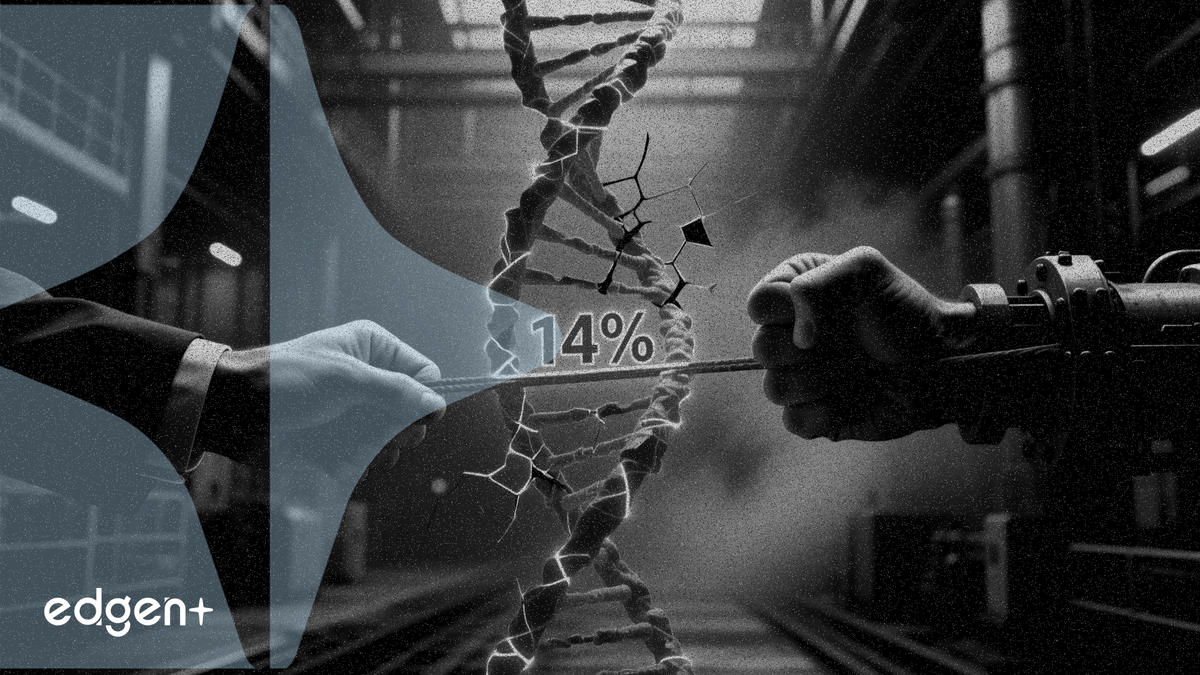
Công đoàn yêu cầu tăng 14%, cho phép đình công lần đầu tiên
Công đoàn Samsung Biologics đã cho phép thực hiện cuộc đình công tiềm tàng đầu tiên trong lịch sử công ty, sau cuộc bỏ phiếu vào ngày 29 tháng 3. Động thái này làm gia tăng tình trạng bế tắc trong đàm phán lương, khi công đoàn từ chối đề nghị tăng tổng lương 6.2% và tiền thưởng khuyến khích 200% của ban lãnh đạo. Thay vào đó, công đoàn đang yêu cầu tăng lương trung bình 14%, 30 triệu won tiền thưởng cho mỗi nhân viên và phân bổ cổ phiếu công ty.
Trong quá trình đàm phán, công đoàn đã lập luận một cách gây tranh cãi rằng việc đáp ứng yêu cầu của nhân viên sẽ rẻ hơn cho công ty so với việc phải chịu tổn thất tài chính do đình công, ví von khoản thanh toán này như một khoản phí "bảo hiểm hỏa hoạn". Quan điểm này đã bị các nhà quan sát ngành chỉ trích là một chiến thuật cưỡng chế nằm ngoài phạm vi thương lượng tập thể thông thường.
Nguy cơ đình công đe dọa khoản đầu tư 15 nghìn tỷ won giữa cuộc chiến năng lực sản xuất
Tranh chấp lao động này diễn ra khi Samsung Biologics đang tham gia vào một cuộc chiến cam go để duy trì sự thống trị toàn cầu của mình. Mặc dù công ty hiện vận hành năng lực sản xuất lớn nhất thế giới ở mức 785.000 lít, các đối thủ đang tích cực mở rộng, với Fujifilm của Nhật Bản đặt mục tiêu 700.000 lít vào năm 2028. Để bảo vệ vị thế của mình, Samsung Biologics đã lên kế hoạch đầu tư lớn 15 nghìn tỷ won vào năng lực sản xuất trong tương lai.
Các nhà phân tích ngành bày tỏ lo ngại rằng việc nhượng bộ các yêu cầu của công đoàn có thể chuyển hướng vốn khỏi những khoản đầu tư quan trọng này, làm suy yếu khả năng cạnh tranh dài hạn của công ty. Tranh chấp này làm nổi bật một xu hướng rộng hơn trong các ngành công nghiệp chủ chốt của Hàn Quốc, khi Samsung Electronics cũng đối mặt với các mối đe dọa đình công. Đối với Samsung Biologics, công ty xuất khẩu 97% doanh số của mình, bất kỳ sự gián đoạn sản xuất nào cũng có thể làm tổn hại đến đóng góp đáng kể của họ vào thị trường xuất khẩu y tế sinh học trị giá 27.9 tỷ USD của quốc gia.