Russian forces have used sexual violence as a systematic weapon of war against Ukrainian prisoners of war and civilians, with the United Nations documenting 310 cases and investigators concluding the abuse was condoned by senior officials.
The UN has gathered testimony in about 310 cases of alleged sexual violence by Russian forces since the full-scale invasion began in 2022, according to a Wall Street Journal investigation. Among the victims were 280 men, 26 women and four girls. The violence described includes rape, gang rape, genital mutilation, electric shocks and beatings to the genitals.
"Sexual abuse is the cheapest method of waging war," said Anna Sosonska, a Ukrainian prosecutor who has brought charges against Russian soldiers in absentia. Her office is overseeing around 400 cases involving alleged sexual violence by Russian soldiers against civilians, 148 of them men.
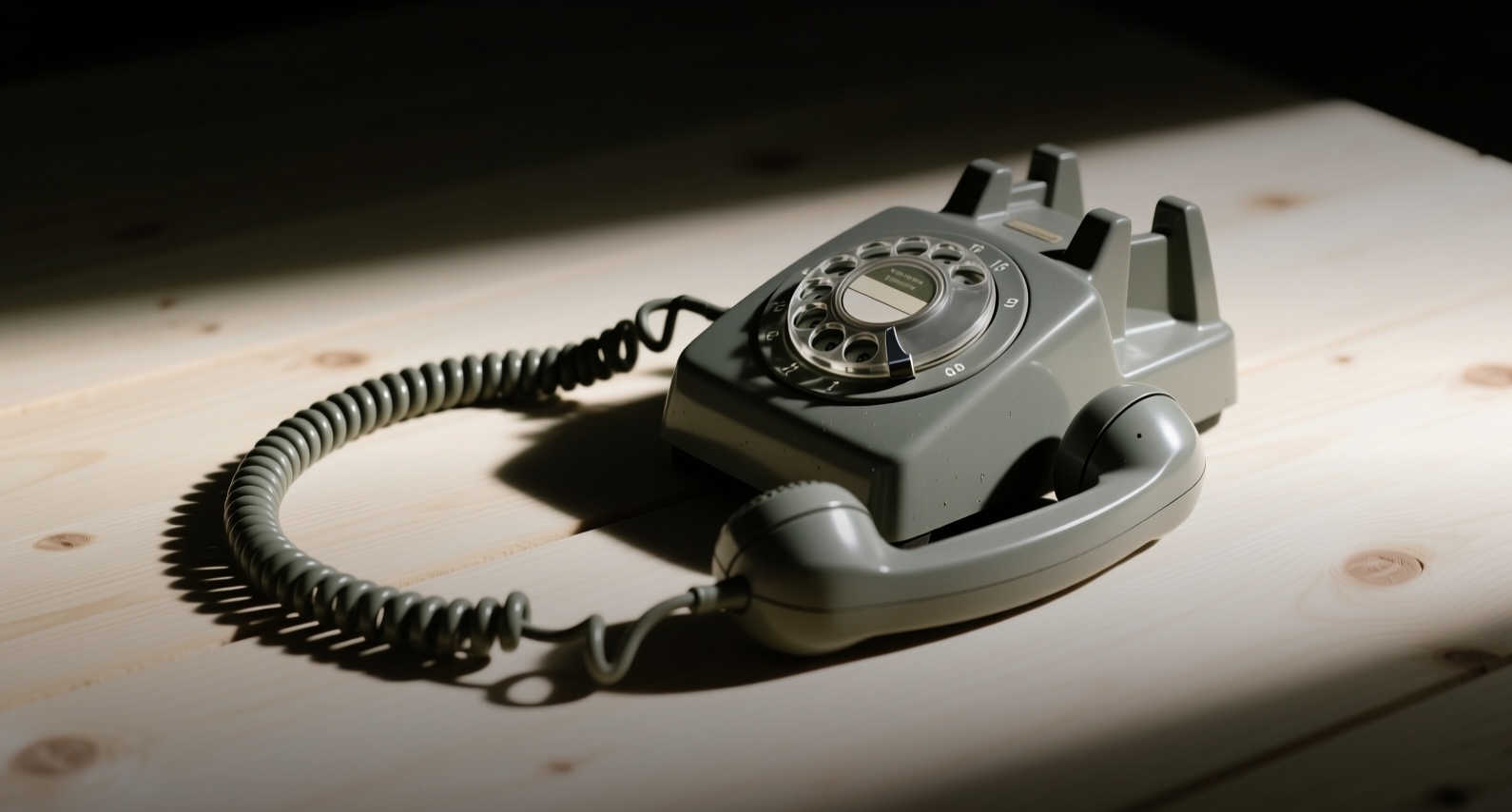
All Ukrainian former POWs interviewed by the UN reported torture or ill treatment at Russian camps, and over 70% said it involved sexual abuse. In one widely used method, guards attached wires from old army field telephones to prisoners' genitals and delivered electric shocks — a practice they called a "call to Putin," the UN said. Serhii Boychuk, a Ukrainian soldier held for more than two years, said guards raped him with bottles and sticks and pressed a knife against his genitals. "They wanted to psychologically break me," he said.
Ukrainian investigators say abuse has occurred in nine different camps inside Russia, with conditions particularly brutal in seven of them. The chief prison official in St. Petersburg told guards overseeing Ukrainian POWs that there were no restrictions against violence, which often included sexual abuse, according to former prison officials. Civilians have also been targeted: Oleksiy Sivak, arrested for hanging a Ukrainian flag in Kherson, said guards attached wires to his genitals and gave him electric shocks. He now runs a support group for around 200 Ukrainian men who allege torture.
Pattern of Command Responsibility
The repetitive nature of the abuse across multiple detention sites suggests it was not the work of individual soldiers but a feature of Russia's military campaign, investigators said. David Schwendiman, a former international prosecutor who investigated war crimes in Bosnia, said no one in command "could claim under the circumstances not to have known what was happening, even if they did not give orders to those under their control to do it."
The UN has documented similar patterns in previous conflicts, including the Bosnian war of the 1990s, where sexual violence was used as a tool of ethnic cleansing. In that conflict, the International Criminal Tribunal for the former Yugoslavia convicted multiple commanders of failing to prevent or punish sexual violence — a precedent that Ukrainian prosecutors say applies to the current war.
Ukrainian forces have also been accused of mistreating Russian captives, though on a far smaller scale. Around half of Russian POWs who spoke to the UN said Ukrainian forces had mistreated them, but less than 5% reported sexual abuse. Ukraine allows international observers to visit its detention centers; Russia has persistently denied access to UN investigators.
Limited Market Impact, Broader Implications
The findings carry limited direct financial market implications but reinforce geopolitical risk factors that have shaped investor positioning since 2022. European defense stocks have rallied as governments increase military spending, while EU sanctions against Russia remain in place. The investigation may strengthen the case for continued Western military aid to Ukraine and further isolate Russia diplomatically, factors that could sustain elevated defense budgets across NATO members.
The Kremlin and Russia's Federal Prison Service declined to comment on the Journal's findings. Russia has previously denied accusations of sexual abuse, calling them unsubstantiated and politically motivated.
This article is for informational purposes only and does not constitute investment advice.