

Robo.aiの子会社であるNeurovia AIは、物理AIのデータストレージコストの急増に対応するため、高解像度ビデオを最大95%圧縮する技術「NeuroStream™」プラットフォームをリリースしました。
Robo.aiの子会社であるNeurovia AIは、物理AIのデータストレージコストの急増に対応するため、高解像度ビデオを最大95%圧縮する技術「NeuroStream™」プラットフォームをリリースしました。
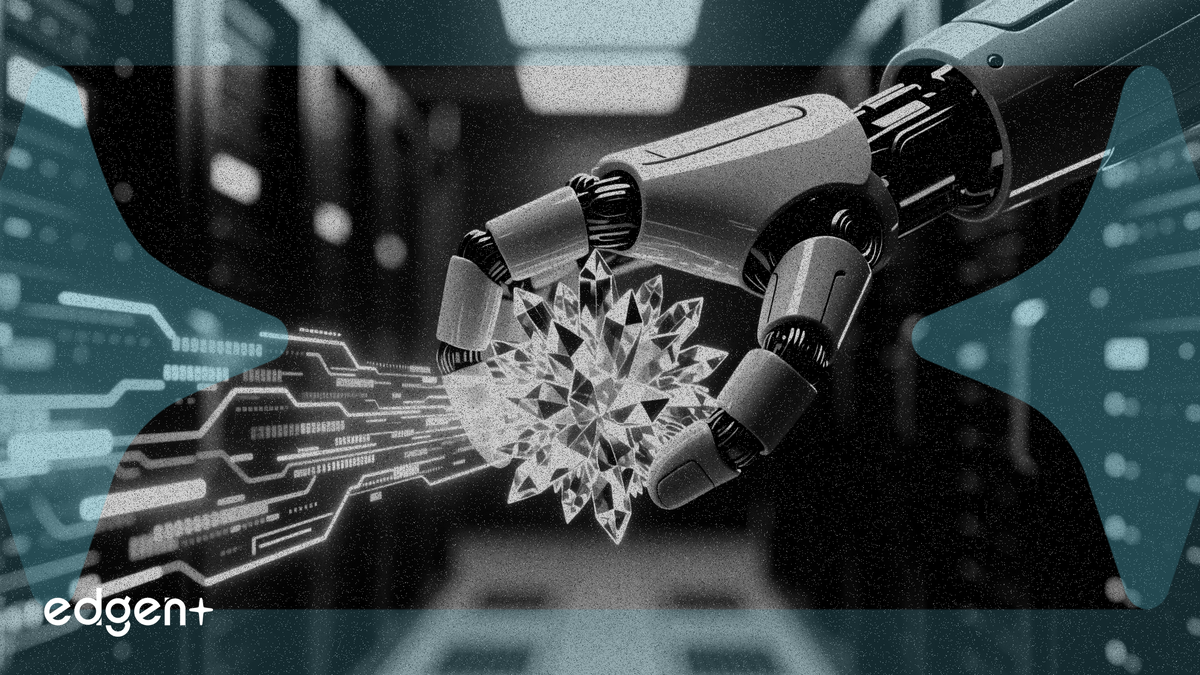
Robo.aiの配下であるNeurovia AIは、高解像度ビデオを最大95%圧縮する技術「NeuroStream™」プラットフォームをリリースした。これは、物理AI(Physical AI)セクターで急増するデータストレージおよび伝送コストをターゲットとしている。
「2026年以降、世界のユニットデータストレージ価格は約4倍に上昇した」とNeurovia AIの最高技術責任者(CTO)であるマンスール・アリ・カーン氏は述べ、1テラバイト節約するごとに、AIを導入する顧客に対して年間1,000ドルから1,500ドルの直接的な経済的利益がもたらされると指摘した。
このプラットフォームは、ビットマップ・ベクトル化アルゴリズムを使用して、従来のビデオをベクトル化された数学的表現に変換する。内部テストでは、60fpsの5.5GBの4Kビデオが278MBに縮小され、95%の削減を達成した。その際、元の解像度とフレームレートは維持され、同社が「視覚的に無損失(visually lossless)」と呼ぶ出力を実現した。
NeuroStream™は、自動運転車、スマートシティ、無人デバイスからのデータがストレージインフラを圧倒している「マシンエコノミー」の重要なボトルネックを解決することを目指しており、Robo.ai(AIIO)をAI市場のハードウェア実現レイヤーから価値を取り込むポジションに置いている。
モデルがセンサーやカメラを通じて現実世界と対話する「物理AI」への移行は、視覚データの爆発的な増加をもたらした。これが2026年初頭からのデータストレージコストの急激な上昇と衝突している。ロボットフリートや都市規模のカメラネットワークを展開する企業にとって、テラバイト単位の高忠実度ビデオの保存と送信に関連する費用は、スケーリングの大きな障壁となっている。
NeuroviaのNeuroStream™は、視覚データの表現方法を根本的に変えることでこれに対処する。膨大なピクセルのビットマップの代わりに、数学的なベクトル表現を作成する。このAIネイティブの圧縮は、マシンビジョンアルゴリズムに必要な重要な情報を保持しながら、冗長なデータを破棄する。同社は、このプロセスが「視覚的に無損失」であり、さらに重要なことに、出力ファイルが元の形式を維持するため、専用の解凍ソフトウェアを必要とせず、システム統合の摩擦を軽減できるとしている。
技術的な実行を主導するのは、新たに就任したCTOのマンスール・アリ・カーン氏である。彼は、アラブ首長国連邦のAleria LLCやModon Holdingなどの企業で大規模なデータプロジェクトに携わってきたベテランである。彼の任命は、この技術を国家レベルのインフラや複雑な産業環境に導入することに明確な焦点を当てていることを示唆している。この発表は、ロボット産業が概念的なプロトタイプから商業的な展開へと軸足を移す中で行われた。この傾向は、VettaFi Researchによる「物理AIエコシステム」のスケーリングに関する最近のレポートでも強調されている。
ナスダックにティッカー「AIIO」で上場している親会社のRobo.aiにとって、NeuroStream™はマシンエコノミーのための基礎的な技術レイヤーを構築するための重要な戦略的ステップである。Nvidia(NVDA)のような競合他社がプロセッシングハードウェアに焦点を当てる一方で、Neuroviaのプラットフォームはハードウェアに依存せず、普遍的なデータ標準になることを目指している。これが採用されれば、顧客には継続的な経済的利益を、Robo.aiにはAIインフラ市場における強力な経済的堀(モート)をもたらす可能性がある。
本記事は情報提供のみを目的としており、投資勧誘を目的としたものではありません。
