

Key Takeaways:
- Ripple took a stake in Flutterwave at a $3.3 billion valuation
- XRP and Ripple's stablecoin will settle cross-border payments in seconds
- Nigeria serves as the starting point for Africa-wide payment rail expansion
Key Takeaways:
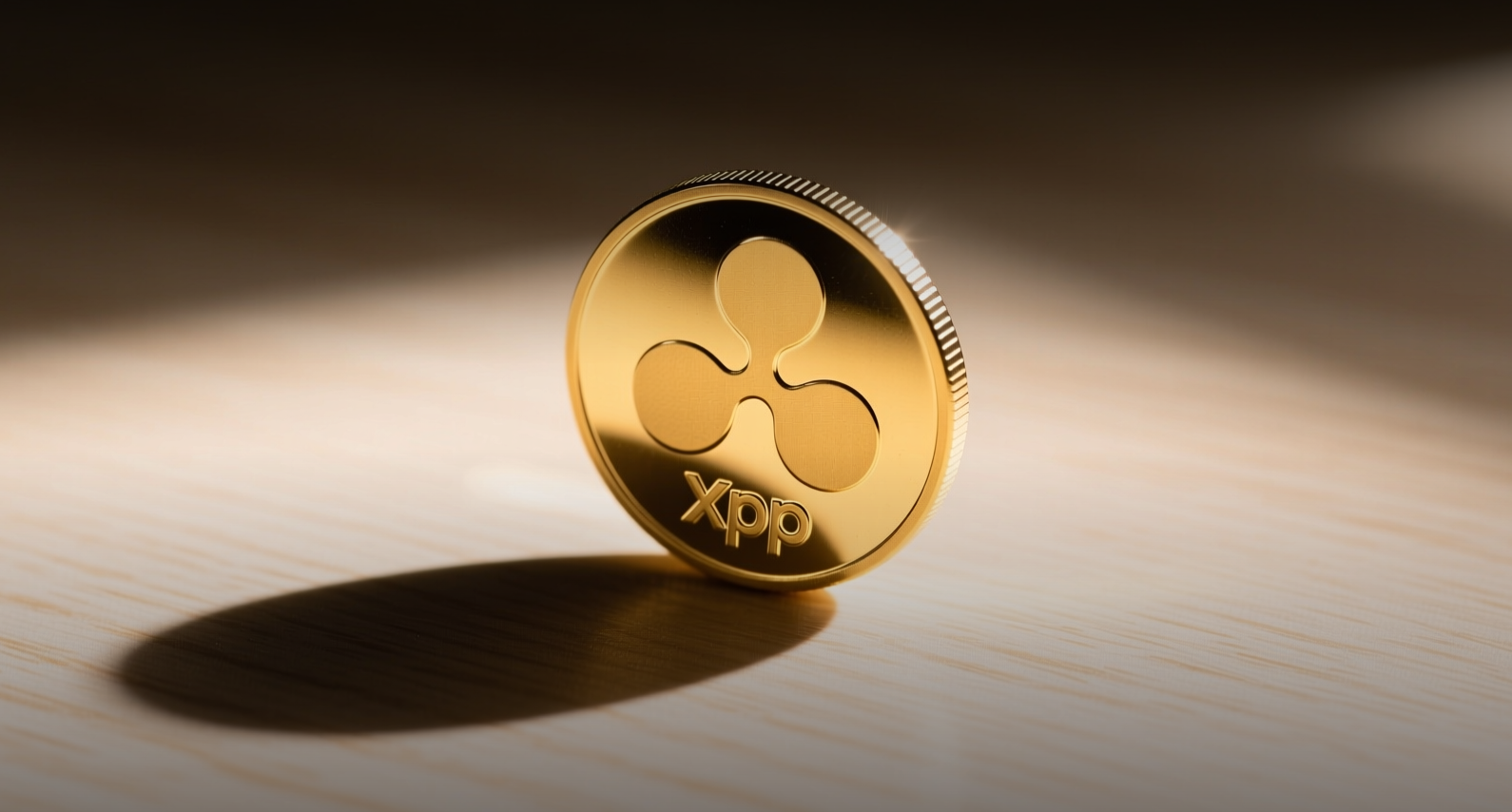
Ripple embedded its XRP Ledger and stablecoin into Flutterwave's payment network through a stake valued at $3.3 billion, turning the token into a settlement rail for Nigeria's cross-border treasury flows, merchant payments and remittances.
"The technology settles these transactions in seconds, with XRP replacing slow, multi-bank correspondent hops," Dr. Kamilah Stevenson, a crypto analyst, said in a YouTube breakdown of the deal.
Flutterwave, described by Stevenson as Africa's largest payment processor, will support settlement via XRP and Ripple's stablecoin across its Nigerian corridors. International transfers into the country currently take days and lose value through intermediary banks, a friction the Ripple stack aims to eliminate. The integration covers treasury flows for businesses, merchant settlement for e-commerce platforms and person-to-person remittances — three of the largest payment categories in Nigeria's financial system.
For XRP holders, the deal shifts the token's use case from exchange speculation to real-world transaction flows. If the integration scales beyond Nigeria into other Flutterwave markets, it could strengthen the case for XRP as an embedded settlement layer in emerging markets where cross-border payment frictions are most acute.
The $3.3 billion valuation makes the deal one of the largest crypto-fintech integrations in Africa. Ripple's technology stack sits underneath consumer and business payment flows that most users never see, functioning as a backend settlement layer rather than a visible payment method. The XRP Ledger processes transactions in three to five seconds at a fraction of a cent per transaction, according to Ripple's published specifications — a cost and speed advantage over traditional correspondent banking networks that can take multiple business days and incur fees of 5 percent to 9 percent for remittances to Africa.
Stevenson framed the move as infrastructure, not speculation. "That is not a headline. That is XRP becoming a rail for a continent," she said. The emphasis is on distribution: Flutterwave's existing network across multiple African markets provides a ready-made corridor for XRP-based settlement.
For investors, the significance lies in the transactional use case. XRP's role here is to settle cross-border treasury flows, merchant payments and remittances — a real-economy application that generates transaction demand rather than speculative volume. The integration starts in Nigeria, one of Africa's most complex foreign exchange and remittance markets, with potential expansion to other Flutterwave markets if the technology proves effective. No timeline for the rollout beyond Nigeria has been disclosed.
This article is for informational purposes only and does not constitute investment advice.
