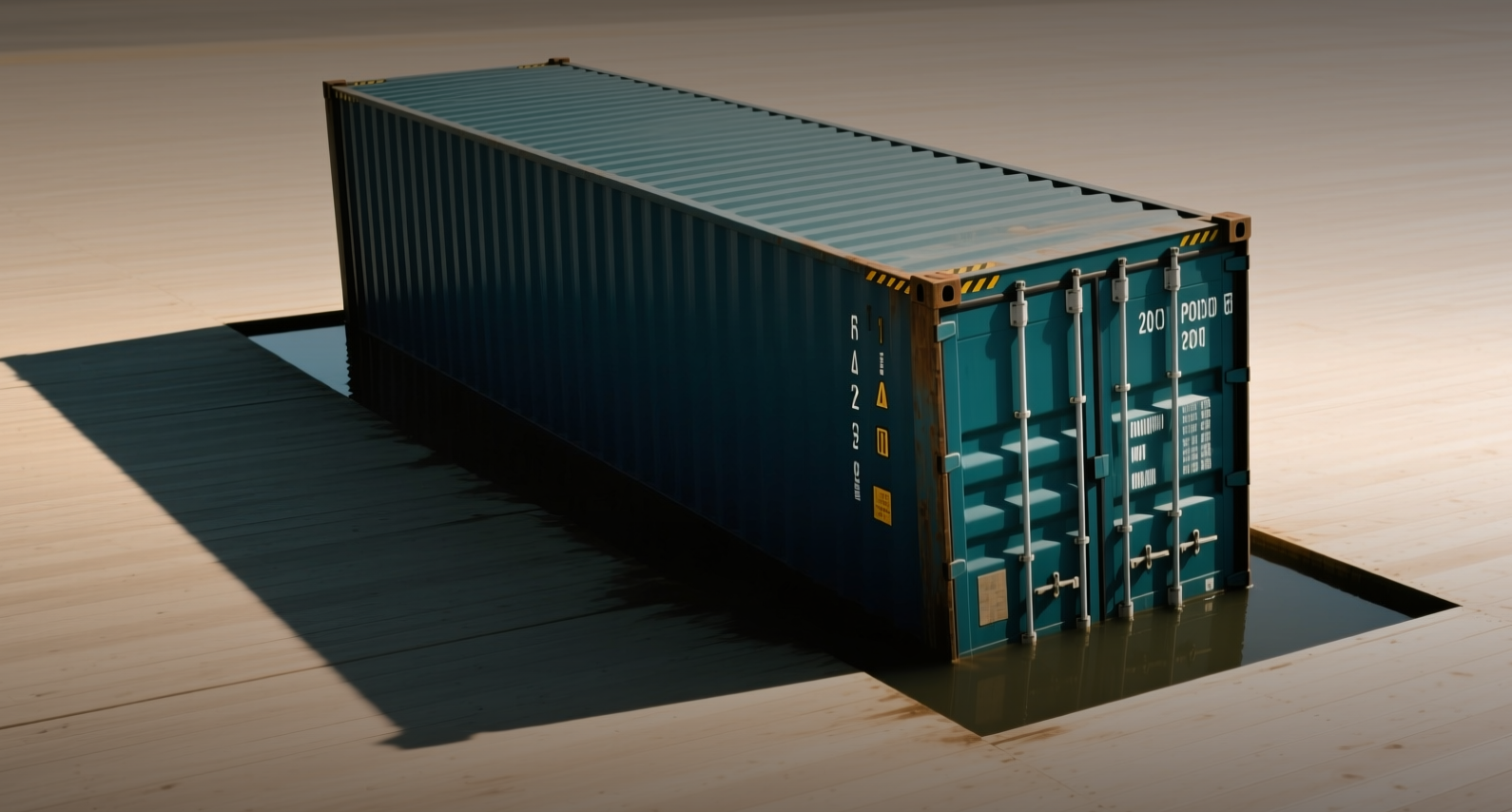
US retailers are accelerating holiday shipments by as much as six weeks to front-run new tariffs and fuel surcharges, squeezing already tight containership capacity and pushing freight costs higher.
US retailers are pulling holiday imports forward by as much as six weeks to avoid new tariffs and rising fuel surcharges, sparking a scramble for containership space that has pushed spot freight rates up 18% in four weeks.
"This is the earliest peak-season booking activity we've seen in a decade," said John McCown, founder of logistics advisory firm McCown Report. "Retailers are treating tariffs like a storm they can outrun."
Spot rates for a 40-foot container from Shanghai to Los Angeles have climbed to about $6,800, according to the Drewry World Container Index, as importers front-run US tariffs expected to reach 25% on consumer goods including electronics, apparel and toys. Fuel surcharges, which add roughly 12% to total shipping costs, have compounded the pressure with Brent crude holding above $74 a barrel after Saudi Aramco resumed loadings at its Ras Tanura terminal following a four-month halt.
The accelerated timeline risks creating a demand void in the fourth quarter while raising inventory carrying costs for retailers already operating on thin margins. If consumer demand softens during the holiday season, companies that front-loaded inventory could be left with excess stock and higher warehousing expenses — a scenario that would amplify the margin pressure from higher freight costs.
Shipping costs ripple through logistics sector
The early import surge is already showing up in freight carriers' results. FedEx Freight, North America's largest less-than-truckload carrier, reported revenue of $2.4 billion in its fiscal fourth quarter ended May 31, up 4.8% from a year earlier, driven partly by higher fuel surcharges. Revenue per shipment rose 11.5% to $415.22 even as average daily shipments fell 5.9%, reflecting the pricing power carriers wield in a capacity-constrained market. The company forecast revenue growth of 4% to 6% for the seven-month transition period ending Dec. 31, with adjusted operating income of $605 million to $645 million.
The dynamic mirrors the pandemic-era supply chain crunch, when retailers rushed orders to beat shipping delays and container rates surged above $20,000. While current spot rates remain well below those peaks, the direction of travel is the same: demand pulled forward creates a self-reinforcing cycle of higher prices and tighter capacity. After the previous round of US tariff escalation in 2018 and 2019, bilateral trade between the US and China fell by about $50 billion over 12 months, according to Census Bureau data.
Tariff timeline drives behavior
The US is expected to finalize the new tariff schedule by late August, with the 25% levy on select consumer categories taking effect as early as Sept. 1. That leaves a narrow window for importers to land goods before the deadline, given typical transit times of 18 to 25 days from Asia to the US West Coast. Retailers that miss the window face a choice: absorb the tariff cost and compress margins, or pass it to consumers through higher prices heading into the holiday season.
The National Retail Federation has estimated that the proposed tariffs could add $8 billion to $12 billion in annual costs for the industry. For context, the previous 25% tariff on $250 billion of Chinese goods in 2019 reduced US imports from China by roughly 17% over the following year, with much of the shortfall shifting to Vietnam, Mexico and other alternative sourcing destinations.
Forward outlook
The early import wave could distort typical seasonal patterns. If retailers complete the bulk of their holiday stocking by September, container demand may weaken in October and November, potentially pulling spot rates back down. But that assumes no further tariff escalation — a scenario that remains uncertain as trade negotiations continue.
For now, the calculus is clear: importers are paying a premium for certainty. The question is whether that premium becomes the new baseline as tariff policy remains in flux.
This article is for informational purposes only and does not constitute investment advice.