
Péter Magyar’s Tisza party is set to win a two-thirds majority in Hungary's election, ending Viktor Orbán's 16-year tenure and signaling a major pro-EU policy shift.
Péter Magyar’s Tisza party is set to win a two-thirds majority in Hungary's election, ending Viktor Orbán's 16-year tenure and signaling a major pro-EU policy shift.
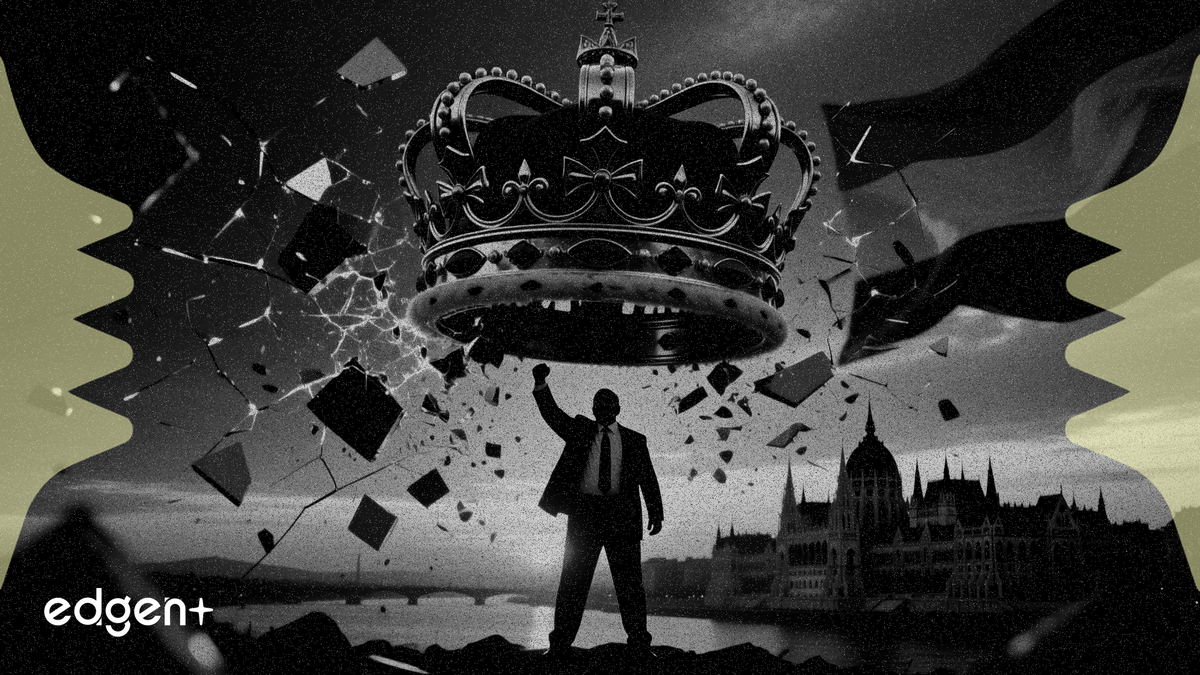
Péter Magyar’s center-right Tisza party secured a stunning electoral victory on Sunday, ending the 16-year rule of nationalist Prime Minister Viktor Orbán and signaling a seismic shift in Hungarian politics and its relationship with the European Union. With over 72 percent of votes counted, Tisza is projected to win 138 seats in the 199-seat parliament, giving it a constitutional supermajority. Orbán’s Fidesz party was on track for just 54 seats after a record-high turnout of over 77 percent.
"The responsibility and possibility of governing was not given to us," Orbán said in a concession speech to his supporters. "I have congratulated the winner." The result is a significant blow to the global far-right, where Orbán has been a leading figure, and follows a campaign that saw high-profile endorsements from U.S. President Donald Trump and his allies.
The decisive margin of victory gives Magyar a powerful mandate to implement his pro-European, anti-corruption platform. The forint was little changed in early trading, but analysts expect a positive long-term reaction as the new government moves to unlock billions in EU funds that were frozen over rule-of-law concerns under Orbán. European Commission President Ursula von der Leyen celebrated the result, posting that “Europe’s heart is beating stronger in Hungary tonight.”
For the European Union, Orbán's departure removes a major obstacle. His government frequently used its veto power to block key initiatives, including a €90 billion aid package for Ukraine and sanctions against Russia. Zsuzsanna Végh, a political analyst at the German Marshall Fund, called the vote a “milestone election,” adding that a Tisza government would approach the EU “much more constructively.”
Péter Magyar, a 43-year-old lawyer and former Fidesz insider, burst onto the political scene just months ago, capitalizing on public frustration with corruption and economic stagnation. His campaign promised to restore democratic norms, increase transparency, and rebuild Hungary's relationship with its Western partners. "On the first day we need to pass anti-corruption measures and we need to submit our application to join the European Prosecutor's Office," Magyar said after casting his vote.
The two-thirds majority is critical, as it allows Tisza to amend the constitution and dismantle the legal and institutional architecture of Orbán's self-described "illiberal democracy." This includes potentially reclaiming state assets, reforming the judiciary, and breaking Fidesz's control over the majority of the country's media outlets.
The election result paves the way for a significant reset in Budapest-Brussels relations. The EU had suspended billions in funding to Hungary over concerns about democratic backsliding and the misuse of funds. Magyar has pledged to quickly pass the judicial and anti-corruption reforms required to regain access to these funds, which analysts believe could provide a much-needed "economic windfall" for the country's struggling economy, according to Max Bergmann, director at the Center for Strategic and International Studies.
More broadly, the end of Orbán's obstructionist tactics could allow the EU to move forward on critical foreign policy and internal reform issues. "The hope, I think, for Europe is that … you could begin to have conversations about reforming the EU and making it work better,” Bergmann said. Magyar has indicated he would not veto aid to Ukraine and would represent Hungarian, not Russian, interests in EU decision-making.
This article is for informational purposes only and does not constitute investment advice.