POSCO Holdings reported Q2 operating profit of KRW 819 billion, up 16% from the prior quarter, as profit improved across all major segments.
"The results were achieved despite energy-supply risks associated with the Middle East conflict and continued weakness in the Korean won," Seung-Jun Kim, head of Finance and IR at POSCO Holdings, said.
Consolidated revenue rose 7.7% from the first quarter to KRW 19.3 trillion. The steel business increased operating profit by KRW 58 billion sequentially, while the rechargeable battery materials segment returned to an operating surplus of KRW 41 billion — its first in nine quarters. POSCO International posted a record quarterly operating profit of KRW 429 billion, up 22% from the prior quarter.
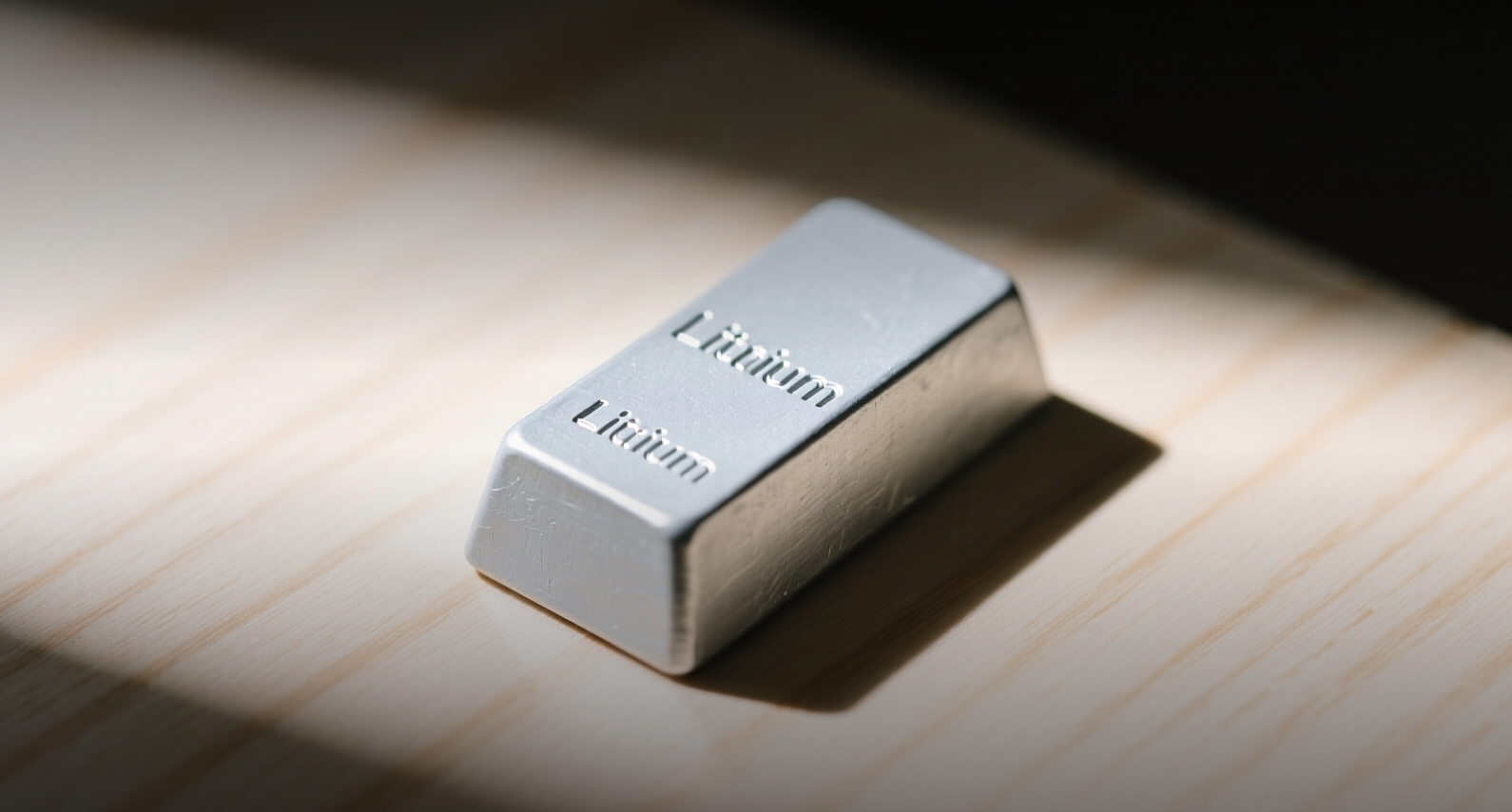
The results mark a turning point for POSCO's battery materials strategy, with its Argentina lithium operation achieving its first quarterly operating profit of KRW 11 billion since incorporation. The company expects further improvement in steel in the third quarter as higher production volumes offset fixed costs, while Argentina's Plant 1 is scheduled to resume full operation in the fourth quarter.
POSCO's steelmaking affiliate reported standalone operating profit of KRW 270 billion, up KRW 60 billion from the first quarter. The average selling price of carbon steel products rose to KRW 962,000 per ton from KRW 920,000, while sales volumes increased by 720,000 tons. The company completed its 2.5 million-ton electric arc furnace in Gwangyang in June, which management said is intended to help address European carbon-border regulations.
In battery materials, POSCO Argentina recorded sales of KRW 108 billion, up 290% from the first quarter, as sales volume climbed 160%. The company expects a temporary slowdown in the third quarter because of winter conditions in the Southern Hemisphere and equipment replacement, with full operation resuming in the fourth quarter. POSCO Pilbara Lithium Solution narrowed its operating loss to about KRW 1 billion from KRW 3 billion in the first quarter.
POSCO International's record performance was driven by higher selling prices and favorable foreign exchange in Myanmar gas fields, expansion of the Senex gas field in Australia, and newly acquired Indonesian palm production. The company generated KRW 475.4 billion in cash through 12 restructuring transactions in the first half, including divestments of Chinese steel operations.
The across-the-board profit improvement shows POSCO's diversification beyond steel into battery materials and energy is gaining traction. Investors will watch for the Argentina lithium operation's certification progress and the ramp-up of the new electric arc furnace in the second half.
This article is for informational purposes only and does not constitute investment advice.