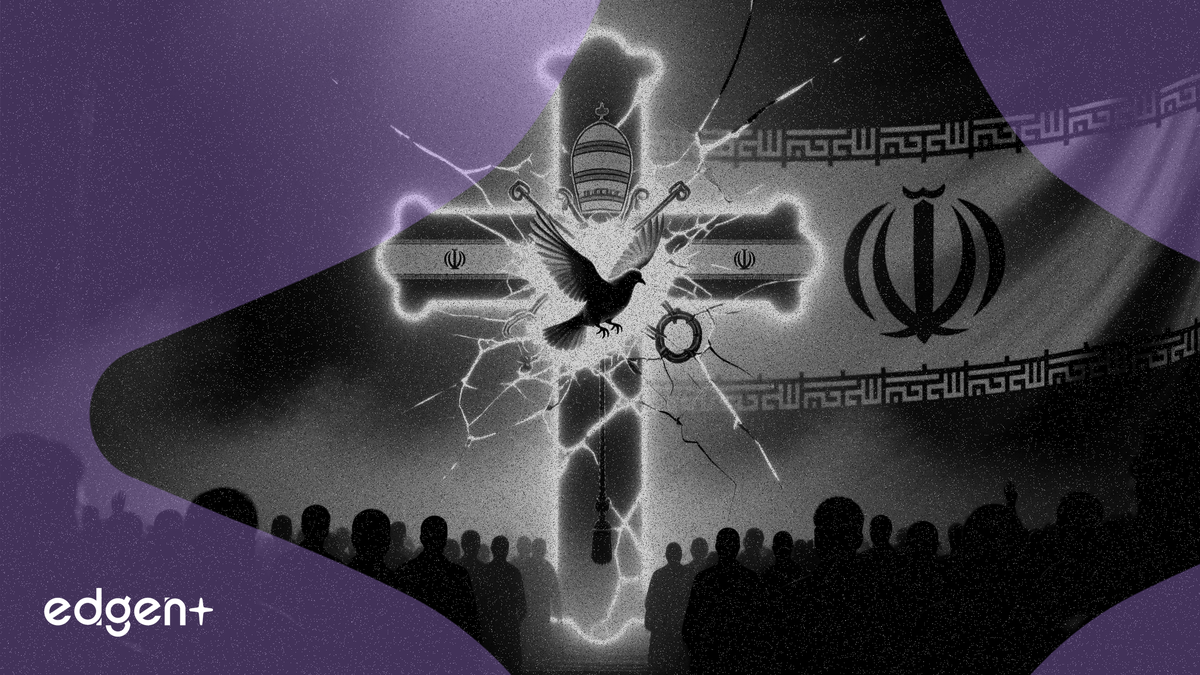
Pope Leo XIV’s effort to broker peace in the Iran war is creating a new front in the conflict, pitting the Vatican directly against the White House and dividing the powerful 53-million-strong U.S. Catholic vote. The Pope’s call for de-escalation in April 2026 was met with a sharp rebuke from President Trump, adding a volatile new dimension to a geopolitical crisis that has already sent tremors through energy and equity markets.
"As a pastor, I cannot be in favor of war," said Leo, revealing he carries a photo of a Lebanese child killed in a recent conflict. In response, President Trump accused the pontiff of “catering to the Radical Left” on his Truth Social platform, a move that drew criticism even from his own supporters.
The public dispute follows a period of escalating tension between the U.S. and Iran. The Pope has urged U.S. Catholics to lobby Congress for peace, a significant intervention in American domestic politics. Trump's approval among Catholics, which stood at 56% in the 2024 election, has shown signs of softening, with data expert Ryan Burge of Washington University noting the vote is "going back to 50/50." The conflict has contributed to a risk-off sentiment in markets, with investors wary of potential disruptions to the 21% of global oil trade that passes through the Strait of Hormuz.
The confrontation presents the biggest test of Leo’s papacy and a significant challenge to President Trump ahead of the November midterm elections. The key question is whether the Pope's "soft power" can influence the U.S. administration's hardline stance, similar to how St. John Paul II’s moral authority contributed to the fall of Communism in Poland. With the Vatican actively trying to mediate, the world is watching to see if this clash of wills between two global leaders will lead to a peaceful resolution or a deeper, more volatile conflict.
A Divided Flock
The rift between the White House and the Vatican has exposed deep divisions within the American Catholic community. While many conservative Catholics have been reliable Republican voters, Trump's direct attack on the Pope has proven to be a step too far for some. CatholicVote, a political advocacy group that had previously backed the president, condemned as "blasphemous" an image Trump posted depicting himself as a Christ-like figure. The Knights of Columbus, an influential lay organization, also criticized the president's rhetoric.
Vice President JD Vance's accusation that the Pope was ignoring "just war" theory was swiftly denied by senior clergy. This internal debate threatens to erode the Republican party's hold on a key demographic. The U.S. bishops had already clashed with the administration over immigration policies, particularly raids that affected Hispanic Catholic communities. The Pope's appeal now brings the debate over the Iran war directly into parishes across the United States.
Vatican's Diplomatic Tightrope
The Vatican has a long history of quiet, behind-the-scenes diplomacy, but Pope Leo's public challenge marks a more assertive use of the papal pulpit. This strategy carries both opportunities and risks. The church's successful mediation between the U.S. and Cuba in 2014 stands as a recent example of its potential influence. However, a similar attempt to broker a deal for Venezuela's Nicolás Maduro to go into exile was ignored by the Trump administration.
Now, the Vatican is reportedly attempting to mediate between Washington and Havana again, urging de-escalation. "We do what we can as a tiny state, mostly off camera and with great discretion," said Cardinal Michael Czerny, a senior Vatican official. The success or failure of these efforts in the shadow of the Iran crisis will be a crucial test of the Vatican's geopolitical relevance in a world increasingly defined by great power competition.
This article is for informational purposes only and does not constitute investment advice.