The Event in Detail
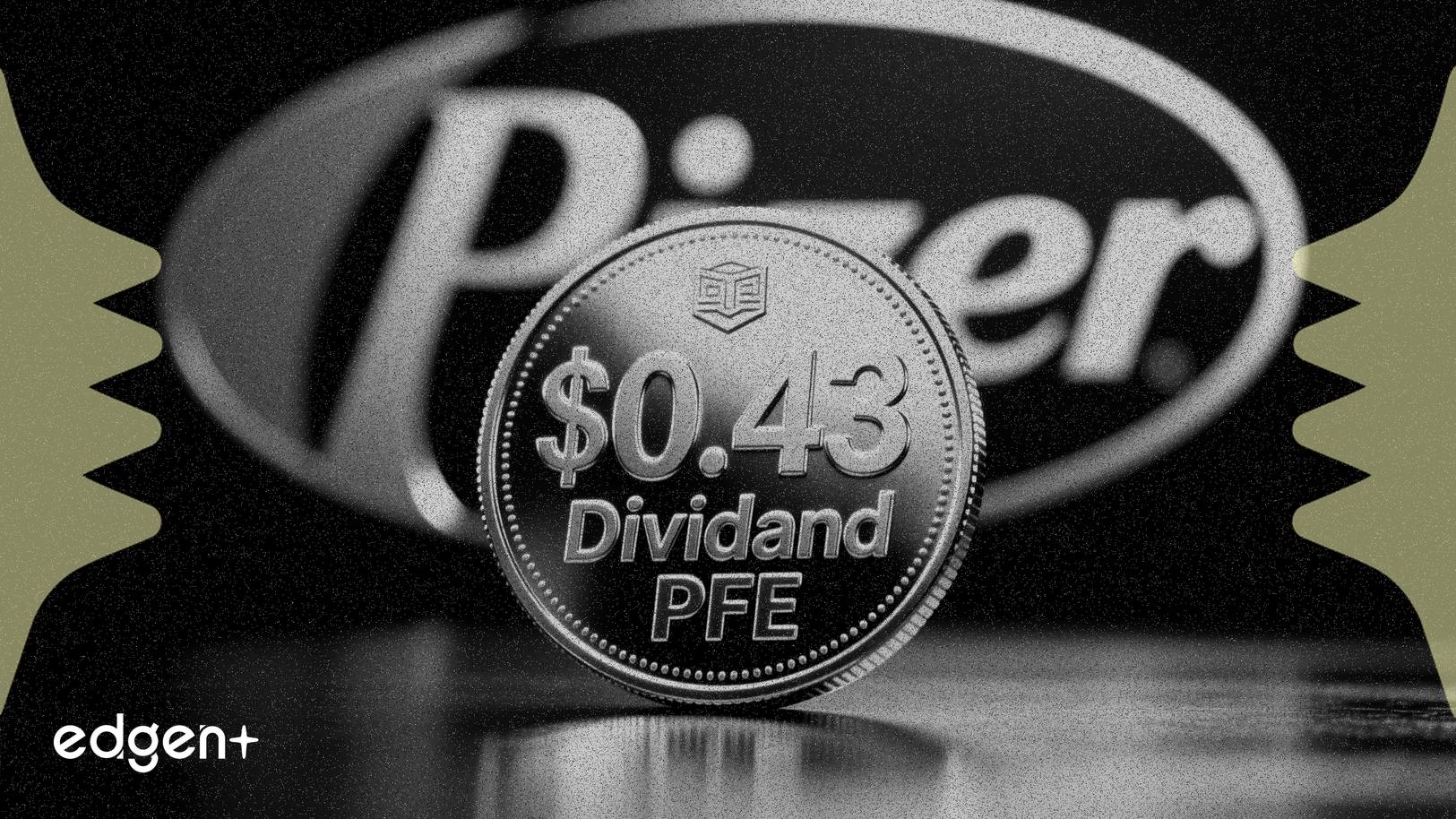
On December 12, 2025, the Board of Directors of Pfizer Inc. (PFE) declared a first-quarter 2026 dividend of $0.43 per share. The dividend is scheduled to be paid on March 6, 2026, to shareholders of record as of the close of business on January 23, 2026. This announcement marks the 349th consecutive quarterly dividend paid by Pfizer, a testament to its long-standing policy of returning capital to shareholders.
Market Implications
The declaration of a dividend in line with previous payments is a neutral event for Pfizer's stock. For income-oriented investors, this action reinforces the company's status as a dependable source of dividend income. Such predictability is a key factor for portfolios focused on stable cash returns, especially in volatile market conditions. The announcement aligns with market expectations and does not signal a shift in Pfizer's established capital allocation strategy. Much like other long-term dividend payers such as EastGroup Properties (EGP), which recently announced its 184th consecutive dividend, Pfizer's reliability is a core component of its investment thesis.
While no specific analyst commentary on this routine announcement was available, the action can be analyzed within the broader context of corporate capital return strategies. Pfizer's decision to maintain its dividend contrasts with the recent move by Zoetis (ZTS), a leading animal health company, which announced a 6% increase in its quarterly dividend to $0.53 per share. This comparison underscores a strategic divergence: Pfizer opts for stability and predictability, whereas Zoetis is signaling growth and a capacity to increase shareholder payouts.
Furthermore, the broader market environment shows intense scrutiny of capital return policies. For instance, analysts are debating the sustainability of BP's (BP) share buybacks and dividends amid fluctuating oil price forecasts. This highlights that any dividend policy, whether stable or growing, is a significant indicator of a company's financial health and management's confidence in future cash flows.
Broader Context
Pfizer's dividend policy positions it as a mature blue-chip company focused on providing consistent shareholder returns. This strategy is distinct from companies that may prioritize reinvesting cash into growth or those using a more aggressive mix of dividends and share buybacks, as seen with BP's ongoing $750 million repurchase program. By maintaining its dividend, Pfizer signals a disciplined approach to capital management, assuring investors of its stable financial footing. This long-term consistency is a valuable asset, helping to anchor the stock's appeal to institutional and retail investors who prioritize income generation over speculative growth.