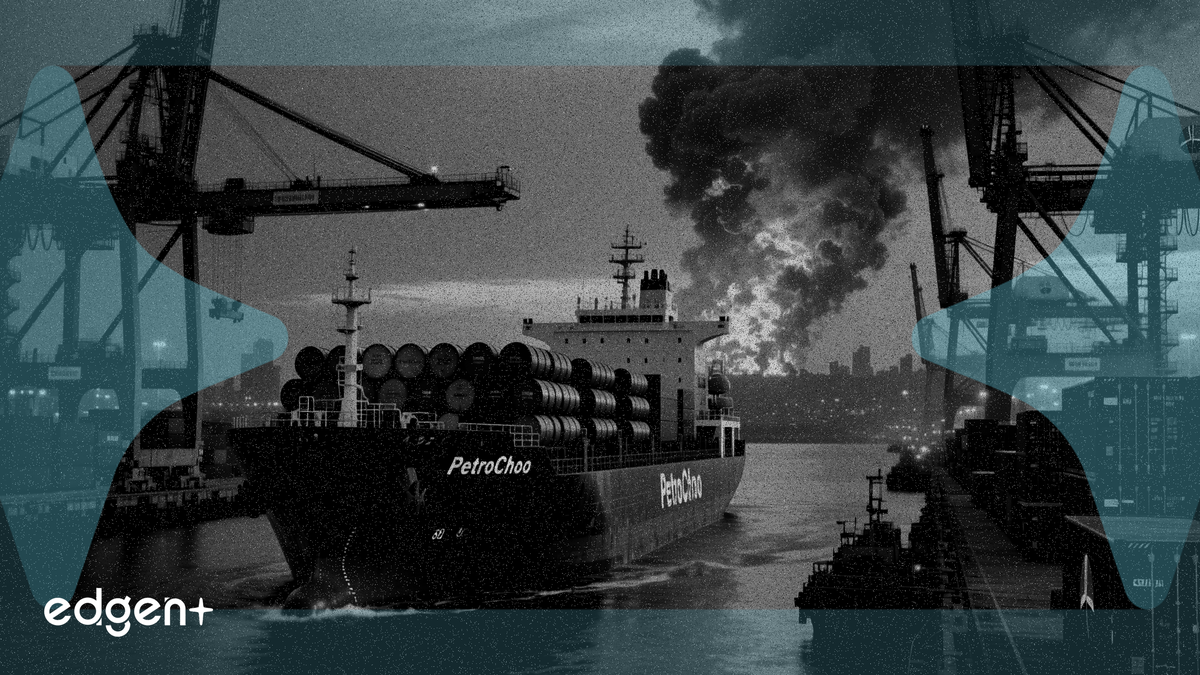
Çin'in stratejik rezervlerinden nadir görülen bir ham petrol transferi, İran'daki çatışmanın küresel ticareti aksatmasıyla Asya enerji tedarik zincirleri üzerindeki artan baskıyı vurguluyor.
PetroChina, bir aydır süren İran savaşının tetiklediği arz açıklarını kapatmak için stratejik depolarından Singapur'daki yarı hissesine sahip olduğu rafinerisine yaklaşık 2 milyon varillik nadir bir ham petrol kargosu sağladı. Bu transfer, çatışmanın dünyanın petrol arzının yaklaşık beşte birini (ki bunun büyük kısmı bölgeye yönelikti) kesmesiyle Asya rafinerileri üzerindeki artan baskının altını çiziyor.
Enerji Ekonomisi ve Finansal Analiz Enstitüsü'nden Sam Reynolds, "Rusya tüm çatışmanın en büyük kazananı olarak ortaya çıkıyor" dedi. Enerji krizi ve teslimat hızı göz önüne alındığında, Asya'nın "Rus petrolünü ithal etmek için çok daha büyük bir teşvike" sahip olduğunu belirten Reynolds, "ülkelerin enerji güvenliklerini korumak için gereken her şeyi yapacaklarını" sözlerine ekledi.
Çatışmanın etkisi küresel ticaret yollarına yayılıyor; petrol tankerleri Hürmüz Boğazı çevresinden dolaşıyor ve hava sahası kısıtlamaları kargo akışını karmaşıklaştırıyor. Alman taşıyıcı Hapag-Lloyd, yüksek yakıt fiyatları ve operasyonel karmaşıklık nedeniyle çatışmanın kendisine haftada 40 milyon ila 50 milyon dolar arasında bir maliyeti olduğunu tahmin ediyor. ABD, arzı desteklemek için halihazırda denizde olan Rus petrol sevkiyatlarına yönelik yaptırımları önce Hindistan için, ardından küresel olarak geçici olarak gevşetti.
Devlete ait bir petrol devi tarafından stratejik rezervlerin bu şekilde kullanılması, jeopolitik gerilimlerin enerji arz yollarında somut aksamalara neden olduğunun bir işaretidir. Bu hamle, sektörün bölgesel çatışmalara karşı kırılganlığını vurgulamakta ve diğer ülkeleri kendi stratejik petrol rezervlerini değerlendirmeye sevk ederek ham petrol fiyatlarında oynaklığın artmasına neden olabilir.
Asyalı Alıcılar Rus Ham Petrolü İçin Yarışıyor
Orta Doğu'dan gelen arzın ciddi şekilde kısıtlanmasıyla, enerjiye aç Asya ülkeleri sınırlı sayıdaki Rus ham petrolü havuzu için giderek daha fazla rekabet ediyor. İran savaşından önce Çin, Hindistan ve Türkiye Rus petrolünün ana ithalatçılarıydı; ancak ABD'nin yaptırım feragatı Filipinler, Endonezya, Tayland ve Vietnam'dan yeni bir ilgi doğmasına neden oldu. Enerji acil durumu ilan eden Filipinler, beş yıl aradan sonra ilk kez Rus ham petrolü ithal etti.
Ancak bu fırsat kısa ömürlü ve daralıyor. Küresel ticaret veri firması Kpler'in kıdemli ham petrol analisti Muyu Xu, "Asıl sorun bu piyasada hala ne kadar kargonun mevcut olduğudur" dedi. Rusya halihazırda günlük yaklaşık 3,9 milyon varil olan zirve kapasitesine yakın ihracat yapıyor ve analistler ihracatın keskin bir şekilde artmasının düşük ihtimal olduğunu söylüyor. Kargoları erken güvence altına alan Hindistan ve Çin avantajlı durumdayken, diğer Güneydoğu Asya ülkeleri denizde kalan yaklaşık 126 milyon varil için rekabet etmek zorunda kalıyor.
Dalga Etkisi Küresel Nakliyeyi Vuruyor
Ham petrol yarışının ötesinde, çatışma lojistik ve imalat sektörlerinde ikincil şoklar yaratıyor. Hava sahası kapanışları mühendislerin ve yedek parçaların taşınmasını zorlaştırarak rutin gemi bakımını aksatıyor ve Condition Monitoring Technologies'den David Fuhlbrügge'nin "çift namlulu darbe" olarak adlandırdığı daha uzun transit süreleri ve artan maliyetlere yol açıyor. Bu gecikmeler filo verimliliğini düşürme ve küresel nakliye programlarına daha fazla baskı uygulama riski taşıyor.
Yüksek yakıt maliyetlerinden kaynaklanan sürdürülebilir baskı, dağıtım stratejilerinin uzun vadeli olarak yeniden değerlendirilmesini de zorlayabilir. Savills'ten Mark Russo'ya göre şirketler, nakliye mesafelerini azaltmaya ve envanteri nihai tüketicilere daha yakın bir yere taşımaya zorlanabilir. Bu değişim, firmaların yüksek nakliye maliyetlerini pazarlarına daha yakın olarak dengelemeye çalışmasıyla Kuzey Amerika genelinde kentsel ve dolgu lojistik alanına olan talebi muhtemelen artıracaktır. Kriz ayrıca, LNG ve metanol gibi alternatiflerin altyapısı henüz bu tür aksaklıkları yönetebilecek kadar sağlam olmadığından, küresel nakliyenin geleneksel yakıtlara ne kadar bağımlı kaldığını da vurguluyor.
Bu makale sadece bilgilendirme amaçlıdır ve yatırım tavsiyesi niteliği taşımaz.