
The People's Bank of China will increase the share of its foreign-exchange reserves allocated to Hong Kong assets, Governor Pan Gongsheng said, a policy shift that bolsters the city's role as a global financial hub.
The People's Bank of China will increase the share of its foreign-exchange reserves allocated to Hong Kong assets, Governor Pan Gongsheng said, a policy shift that bolsters the city's role as a global financial hub.
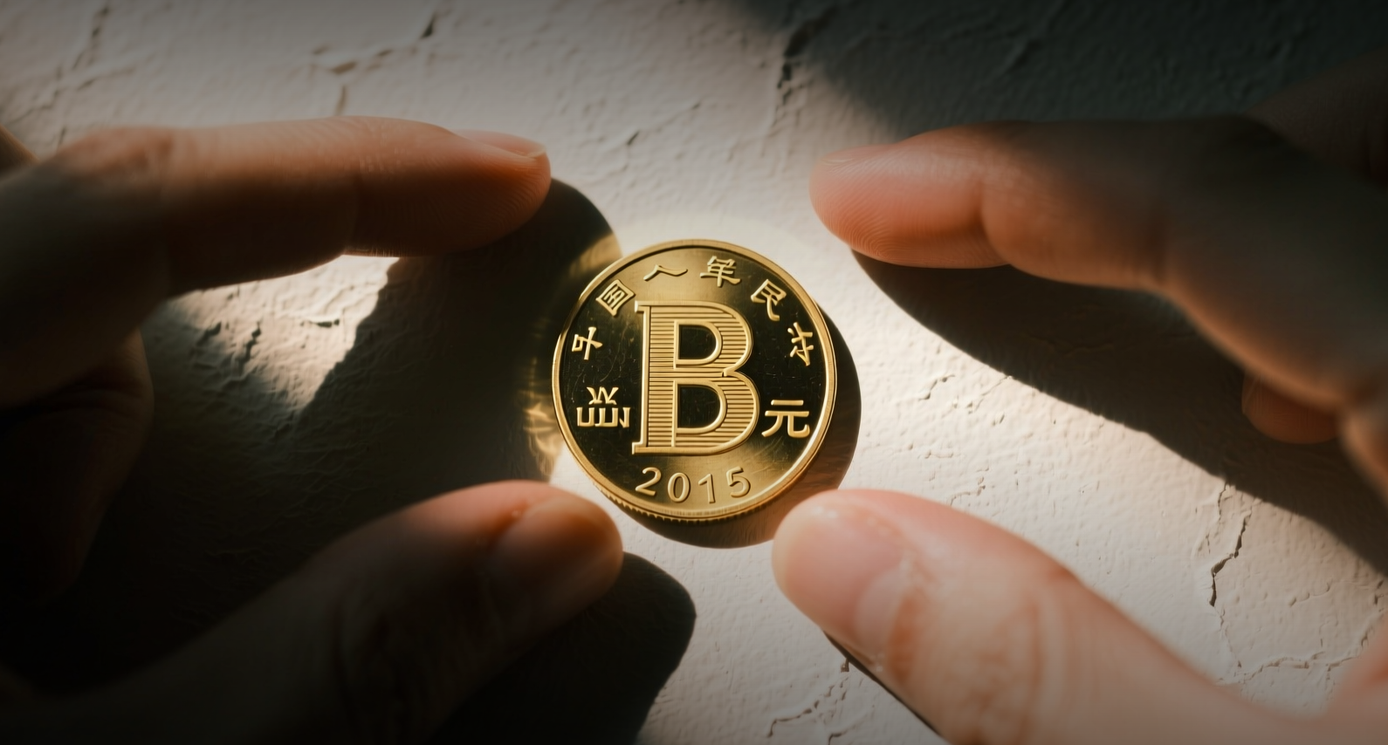
The People's Bank of China will increase the share of its foreign-exchange reserves allocated to Hong Kong assets, Governor Pan Gongsheng said, a policy shift that bolsters the city's role as a global financial hub.
China's foreign-exchange reserves will boost their Hong Kong asset allocation, PBOC Governor Pan Gongsheng said Monday, channeling capital into a market where the yuan has gained 5.4% against the dollar over the past 12 months.
"National foreign-exchange reserves will continue to increase the proportion of assets allocated in Hong Kong, injecting momentum into the development of the city's capital market," Pan said at the Hong Kong Fixed Income & Currency Summit and Bond Connect Forum.
The announcement comes as Chinese assets have decoupled from global markets. The yuan is the only major currency to have strengthened against the dollar this year, touching a 3-1/2 year high of 6.7522 in June. China's benchmark 10-year sovereign yield has fallen almost 10 basis points to 1.73% since the start of the Iran war in late February, while the 10-year US Treasury yield has climbed 51 basis points over the same period. Foreign investors returned to Chinese bonds in May, logging net inflows for the first time in more than a year, while holdings of onshore A-shares rose to more than 4 trillion yuan from 3.67 trillion yuan at the end of last year, according to the securities regulator.
The increased reserve allocation strengthens Hong Kong's position as a capital-raising hub at a time when the city faces competition from Singapore and other regional financial centers. Over the past year, the PBOC has been steadily building its Hong Kong asset portfolio through ongoing investment and trading operations, Pan said, without disclosing the current allocation size or target ratio.
Diversification Appeal Grows
The policy dovetails with Hong Kong's broader push to expand its financial infrastructure. The city last week launched a gold clearing system aimed at positioning itself as a regional precious-metals reserve hub, part of a strategy to diversify beyond equities and fixed income.
China's relative insulation from global market forces has made its assets an increasingly attractive diversification tool for international investors. The CSI 300 index of mainland blue-chip stocks rose almost 11% in dollar terms during the first half of 2026, outperforming many emerging-market peers even as it lagged the S&P 500's roughly 13% gain. The divergence reflects an economy out of sync with global inflationary cycles and a stock market dominated by retail investors with different agendas than global fund managers, according to analysts.
The last time the PBOC signaled a strategic increase in Hong Kong asset allocation was in early 2024, preceding a period of sustained inflows through Stock Connect and Bond Connect channels. Northbound Stock Connect turnover averaged HK$120 billion per month in the subsequent quarters, exchange data show.
Policy-Driven Yuan Strength
The yuan's advance has been driven by policy intent rather than economic fundamentals, said Kelvin Lam, senior economist at Pantheon Macroeconomics. "Yuan strength is sort of detached from traditional bog-standard long-run drivers like how the economy is doing," Lam said. "Instead, it is policy driven — the intention from the authorities to project currency stability at a time of global chaos."
Global banks have revised up their year-end yuan forecasts following the currency's advance beyond the 6.80 level, with further gains expected as China's export strength and a stable US policy backdrop support the currency. The PBOC's reserve allocation move signals confidence in Hong Kong's financial markets at a time when the city is deepening its role as a bridge between onshore and offshore Chinese capital.
For global investors, the increased PBOC presence in Hong Kong assets could provide a stabilizing force, potentially reducing volatility in the Hang Seng Index and Hong Kong dollar markets. The Hang Seng Index has gained roughly 8% year-to-date, supported by policy tailwinds from Beijing and improving corporate earnings.
This article is for informational purposes only and does not constitute investment advice.
