
핵심 요약:
- 캘리포니아 법무장관은 반독점법 위반 여부를 확인하기 위해 1,100억 달러 규모의 워너 브라더스-파라마운트 합병안을 검토 중입니다.
- 할리우드 관계자들과 노동조합은 일자리 감소와 미디어 다양성 저해에 대해 우려를 표명하고 있습니다.
- 데이비드 엘리슨은 일자리 보존과 영화 제작 확대를 약속했으나 의원들의 회의적인 시각에 직면해 있습니다.
핵심 요약:
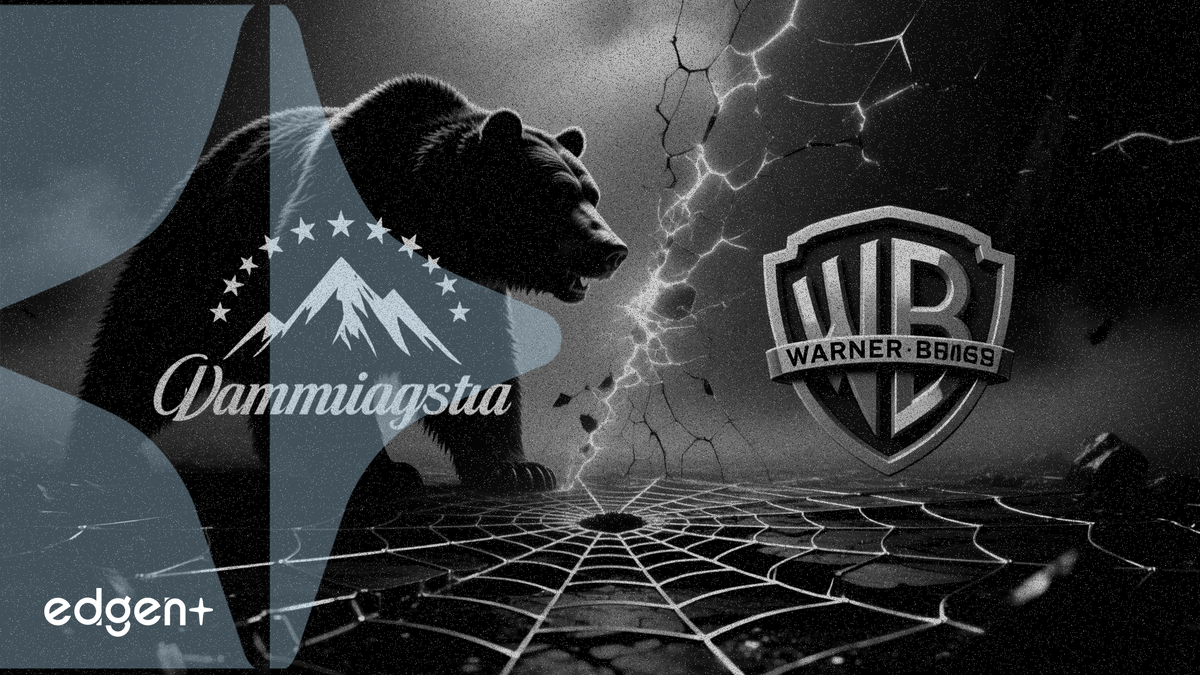
(P1) 파라마운트 글로벌과 워너 브라더스 디스커버리 간의 1,100억 달러 규모 합병안이 캘리포니아에서 거센 반대 여론에 직면해 있습니다. 주 규제 당국과 엔터테인먼트 업계 관계자들은 반독점 위반과 창의적 경제에 미칠 잠재적 피해를 근거로 이 거래에 이의를 제기하고 있습니다.
(P2) "워너 브라더스와 파라마운트의 합병은 결코 확정된 것이 아닙니다."라고 롭 본타 캘리포니아 법무장관은 NPR과의 인터뷰에서 밝히며, 그의 사무실이 반독점 검토를 위한 정보를 수집 중임을 확인했습니다. 본타 장관은 현 행정부와의 관계를 언급하며 연방 정부가 공정한 조사를 실시할 것이라고는 "기대하지 않는다"고 덧붙였습니다.
(P3) 사우디아라비아 공공투자펀드(PIF)로부터 약 100억 달러를 지원받는 것으로 알려진 이번 거래는 할리우드에서 가장 유서 깊은 두 스튜디오를 통합한다는 점에서 비판을 받아왔습니다. 스카이댄스 미디어의 CEO 데이비드 엘리슨이 추진하는 이번 인수는 CNN, HBO, CBS, 파라마운트 영화 스튜디오와 같은 자산들을 한데 모으게 됩니다. 이에 대해 '퓨처 필름 연합(Future Film Coalition)'과 같은 단체들은 추가적인 통합이 제작되는 이야기와 목소리의 다양성을 줄일 것이라며 반발하고 있습니다.
(P4) 핵심 쟁점은 거대 미디어 기업의 탄생이 경쟁을 저해하고 일자리를 줄이며, 궁극적으로 가격 인상과 선택권 축소를 통해 소비자에게 피해를 줄지 여부입니다. 해당 주를 대표하는 아담 쉬프 상원의원은 엘리슨에게 "집행 가능한 구체적인 약속"을 요구하며, 글로벌 미디어 지형을 재편할 이 거래를 둘러싼 험난한 규제 싸움을 예고했습니다.
캘리포니아 법무부는 공식적으로 합병안을 검토 중이며, 이는 거래 중단을 위한 법적 소송으로 이어질 수 있습니다. 본타 법무장관은 행정부가 "친분에 따라 승자와 패자를 선택하는" 패턴을 보이고 있다며 연방 정부의 역할에 깊은 회의감을 표했습니다. 아담 쉬프 상원의원이 개최한 청문회에서도 이러한 정서가 이어졌으며, 배우 노아 와일리는 "이러한 통합은 주주들에게는 매우 좋지만 노동력에게는 대개 좋지 않다"고 증언했습니다.
창작 커뮤니티가 합병 반대를 위해 결집했습니다. 배우 제인 폰다가 공개적인 반대 목소리를 내고 있으며, 퓨처 필름 연합이 주도하는 '합병 저지(BlockTheMerger)' 캠페인은 잠재적인 부정적 영향을 알리기 위해 업계 종사자들의 사례를 수집하고 있습니다. 퓨처 필름 연합의 임시 집행 이사인 잭스 델루카는 "대형 미디어 기업들이 합병하면 제작될 수 있는 이야기가 줄어들고 표현되는 목소리와 관점도 적어집니다"라고 말했습니다.
아담 쉬프 상원의원에게 보낸 서한에서 데이비드 엘리슨은 파라마운트와 워너 브라더스 스튜디오가 각각 연간 15편의 장편 영화를 제작하도록 하여 일자리를 보존하고 확대하겠다고 약속했습니다. 또한 HBO와 현재 편성표를 유지하겠다는 의지도 확인했습니다. 하지만 쉬프 의원은 여전히 확신하지 못한 채 "노동자들에게 필요한 것, 그리고 우리가 계속 추진할 것은 측정 가능하고 책임을 물을 수 있는 행동이 뒷받침된 집행 가능한 구체적인 약속입니다"라고 밝혔습니다. 이번 거래의 성패는 엘리슨이 규제 당국과 회의적인 할리우드에 통합 회사의 비전이 단순한 결합이 아닌 성장임을 설득할 수 있는지에 달려 있습니다.
이 기사는 정보 제공만을 목적으로 하며 투자 조언을 구성하지 않습니다.