
主要なポイント:
- ParadigmとHyperliquidは、提案されたAMLルールがDeFiに過剰に適用される可能性があると警告
- 両社は、責任、定義、コンプライアンスツールに関する3つのリスクを指摘
- 財務省による60日間の意見募集期間が進行中、最終ルールの施行を前に業界が対応
主要なポイント:
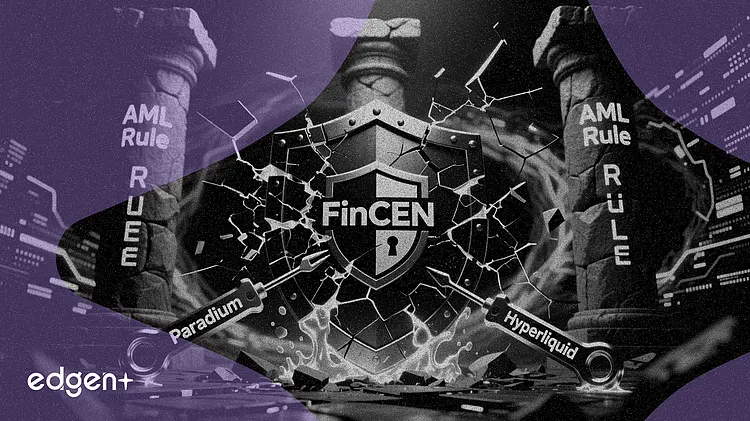
ParadigmとHyperliquid Policy Centerは、GENIUS法に基づくマネーロンダリング防止(AML)ルール案が分散型金融(DeFi)に過剰に適用され、規制対象のステーブルコインがオープンなブロックチェーンネットワークから遠ざかる可能性があると警告した。
ParadigmとHyperliquid Policy Centerは月曜日、米国財務省に対し、AMLルール案の修正を求める要請書を提出した。両社は、GENIUS法の条項が、法律が本来意図した範囲を超えて、DeFiプロトコルやインフラ構築者にまでコンプライアンス責任を拡大する可能性があると警告した。
「提案されたルールは、DeFiにおけるスマートコントラクトとのやり取りを、あたかもステーブルコイン発行会社が取引のあらゆる段階でサービスを提供しているかのように扱う可能性がある」と両社は、金融犯罪取締ネットワーク(FinCEN)と外国資産管理局(OFAC)に宛てた共同書簡で主張。「発行会社は、実質的に監視できない取引に対して厳格責任を負うことになる」と指摘した。
FinCENとOFACが4月1日に提案したこのルールは、ドナルド・トランプ大統領が2025年7月に署名したGENIUS法に基づき、認可決済ステーブルコイン発行者に対するAMLおよび制裁コンプライアンス義務を定めている。このルールは、ステーブルコインの活動を、発行会社が直接顧客の入金と償還を処理する一次市場と、発行会社の関与なしにウォレット、取引所、DeFiプロトコルを通じてユーザー間でステーブルコインが移動する二次市場に区分している。両社は、一次市場に焦点を当てたFinCENの姿勢は合理的だが、OFACによる二次市場活動の扱いは、発行会社が管理・監視できず、現実的に阻止できないピアツーピア取引について責任を負わせる可能性があると警告した。
両社は、ルールが厳格に施行されれば、ステーブルコイン発行会社はオープンなブロックチェーンネットワークへの展開を避け、許可型システムに移行し、規制外のオフショア代替手段に市場を奪われる可能性があると主張した。財務省による60日間の意見募集期間が進行中であり、業界関係者はGENIUS法と同時に施行される最終ルールの内容を左右すべく、対応を急いでいる。
書簡では、3つの核心的なリスクが特定された。第一に、提案されたルールは、GENIUS法の対象外である開発者、バリデーター、その他のインフラ構築者にまでコンプライアンス責任を拡大し、米国の暗号資産セクターにおけるイノベーションを鈍化させる可能性がある。第二に、「決済ステーブルコイン関連活動」の定義が広範に解釈され、二次市場のウォレットユーザーが発行会社の直接顧客として扱われるリスクがある。第三に、ブラックリスト機能などのスマートコントラクトによるコンプライアンスツールが、現在の枠組みでは有効な手法として認識されない可能性があると警告した。
ParadigmとHyperliquidは、疑わしい活動報告(SAR)義務を、発行会社が顧客を特定し審査を実施できる一次市場に限定するよう推奨した。また、貸付・取引プラットフォームを含むDeFi開発者や分散型プロトコルに対する、より明確なセーフハーバー(免責保護)の規定を求めた。両社はさらに、「決済ステーブルコイン関連活動」の定義を狭くすること、および単一の主体がすべての活動を管理できないブロックチェーンシステムの技術的現実に enforcement rules を適合させるよう規制当局に求めた。
ニューヨーク州金融サービス局(NYDFS)は火曜日、州のステーブルコイン規制をGENIUS法に整合させるための独自の規則案を提案し、準備金の保管上限やリスク管理プログラムに関する条項を追加した。この規則案については、州公報に掲載された時点から60日間の意見募集期間が開始される。
GENIUS法は、1対1の準備金裏付け要件と、州または連邦規制当局による二重のチャーターオプションの下で、ステーブルコインに法的な正当性を与えている。財務省によるルール案は、この枠組みを実施する第一歩であり、意見募集期間の結果によって、規制対象のステーブルコイン発行者がDeFiエコシステムのどの程度までアクセス可能となるかが決定される。
本記事は情報提供のみを目的としており、投資助言を構成するものではありません。
