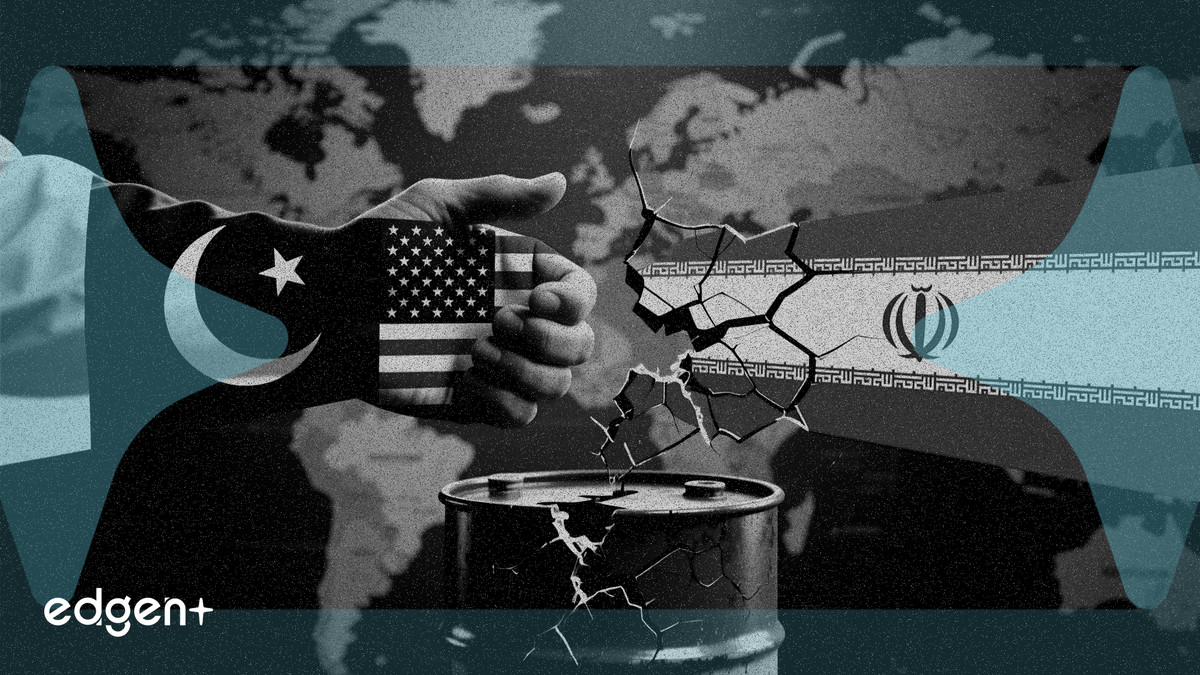
Pakistán Anuncia Diálogos entre EE. UU. e Irán mientras el S&P 500 Cae un 7.3%
Pakistán se prepara para albergar negociaciones directas entre Estados Unidos e Irán en los próximos días, una iniciativa diplomática destinada a resolver un conflicto que ha desestabilizado los mercados globales. El Ministro de Asuntos Exteriores, Ishaq Dar, anunció el 29 de marzo que tanto Washington como Teherán han expresado su confianza en el papel mediador de Pakistán. Esta medida sigue a una reunión cuadrilateral en Islamabad con los ministros de Asuntos Exteriores de Turquía, Egipto y Arabia Saudita, quienes respaldaron el esfuerzo de paz.
Las apuestas son altas para la economía global. Desde que comenzó el conflicto, el S&P 500 ha caído un 7.3%, mientras que las acciones energéticas han subido un 12.6%. El dólar estadounidense se ha fortalecido debido a su estatus de refugio seguro, y las probabilidades de recesión para 2026 han aumentado del 22% al 37%. Para Pakistán, los incentivos son tanto económicos como estratégicos, ya que el país enfrenta un aumento del 20% en los precios internos del combustible y depende en gran medida de las remesas de cinco millones de trabajadores paquistaníes en el mundo árabe.
Los Mercados Energéticos en Tensión a medida que el Crudo WTI Supera los 99 Dólares
Las interrupciones en el tránsito de petróleo a través del Estrecho de Ormuz han sido el principal impulsor de la volatilidad del mercado, empujando el crudo West Texas Intermediate (WTI) de 67 dólares por barril antes del conflicto a más de 99 dólares. Este aumento ha impactado directamente a los consumidores, con los precios promedio de la gasolina en EE. UU. subiendo de 2.98 a 3.98 dólares por galón. Una resolución exitosa podría reabrir esta vía navegable crítica, causando potencialmente una caída significativa en los precios del petróleo y aliviando las presiones inflacionarias globales.
Aunque los datos económicos de alta frecuencia, como las reservas en restaurantes y el gasto minorista, muestran que el comportamiento del consumidor ha mantenido su resiliencia, el sentimiento del consumidor se ha debilitado significativamente. Un período prolongado de precios elevados de la energía amenaza con erosionar esta resiliencia y ralentizar el crecimiento económico global. Un resultado diplomático exitoso se considera el catalizador más poderoso para estabilizar los costos de la energía y restaurar la confianza de los inversores.
Las Negociaciones Enfrentan Obstáculos por la Postura Militar de EE. UU.
A pesar de las aperturas diplomáticas, el camino hacia una paz duradera está plagado de riesgos. El presidente de EE. UU., Trump, confirmó que las conversaciones indirectas estaban progresando, pero simultáneamente proyectó una postura militar firme, socavando parte del optimismo.
Todavía nos quedan unos 3,000 objetivos... Se podría llegar a un acuerdo pronto.
— Donald Trump, Presidente de EE. UU.
Esta declaración, combinada con el rechazo público de Irán a una propuesta estadounidense de 15 puntos —un movimiento que los analistas ven como una táctica de negociación—, subraya la fragilidad del proceso de paz. Aunque Pakistán tiene un historial exitoso en la mediación de disputas complejas, incluida la retirada de EE. UU. de Afganistán y el acercamiento con China en 1972, la animosidad profundamente arraigada entre Washington y Teherán presenta un desafío formidable.