

Key Takeaways:
- More than 40 countries have committed to adding Bitcoin to national balance sheets
- Coinbase's John D'Agostino confirmed the development in a CNBC interview
- The shift pressures other nations to follow or risk being left behind
Key Takeaways:
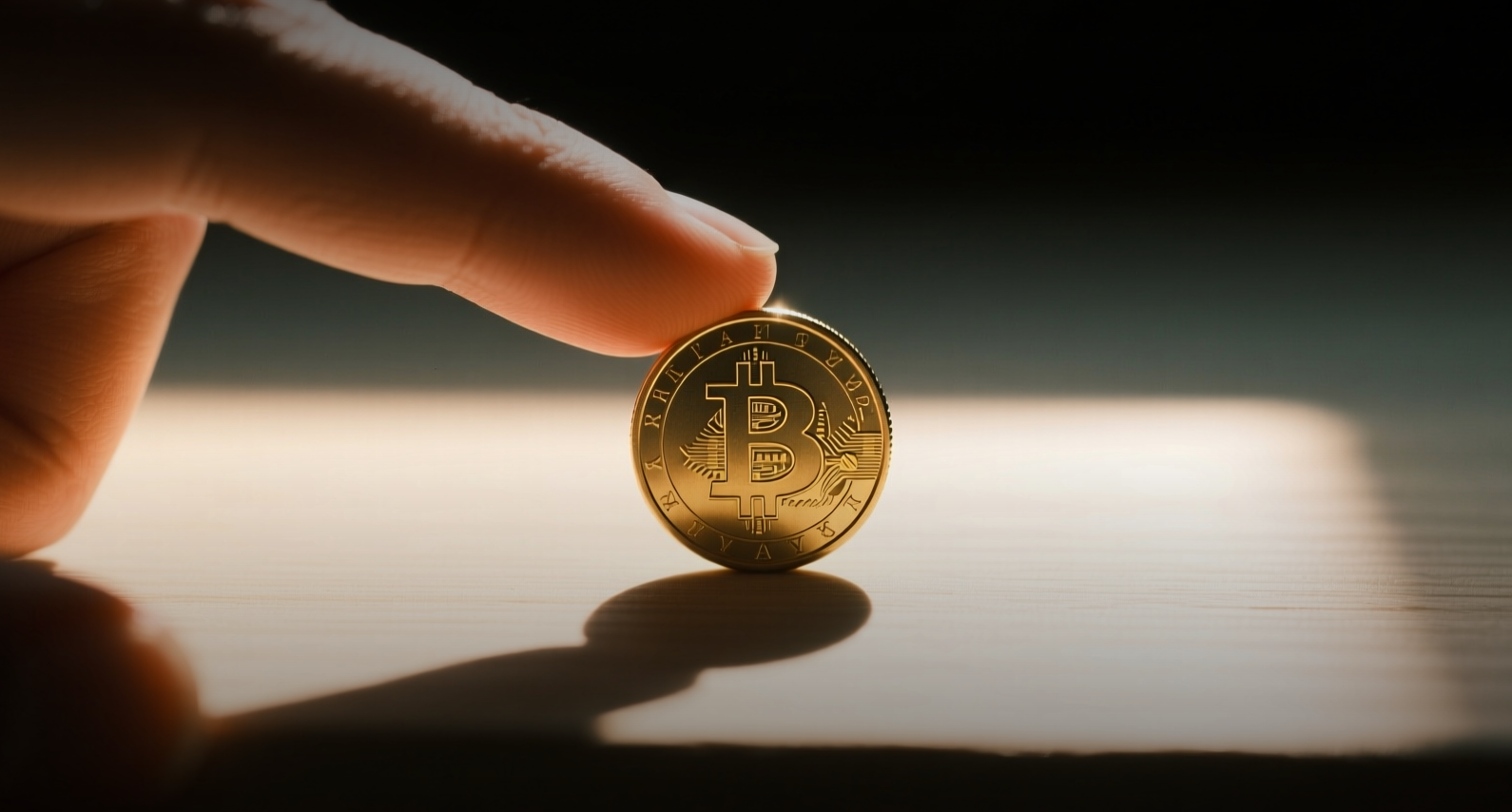
More than 40 countries have formally committed to acquiring Bitcoin for their national balance sheets, a development that could reshape how sovereign entities treat digital assets.
More than 40 countries have committed to adding Bitcoin to their national balance sheets, according to John D'Agostino, Head of Institutional Strategy at Coinbase, who disclosed the development in a CNBC interview. The move marks a significant escalation in sovereign adoption of the largest cryptocurrency by market value.
"More than 40 countries have committed to acquiring Bitcoin for their national balance sheets," D'Agostino said, describing the trend as a sign of steady growth in institutional adoption. He noted that current accounting standards classify Bitcoin as a nonproduced nonfinancial asset, suggesting regulators may need to create alternative categorization for sovereign holdings rather than treating them as traditional reserves.
Only a handful of nations have publicly declared Bitcoin holdings to date. El Salvador holds roughly 5,700 Bitcoin after adopting the asset as legal tender in 2021, while Bhutan has accumulated Bitcoin through its state-owned mining operations. The commitment from over 40 countries — most of which have not been named — suggests a far broader wave of sovereign accumulation is underway behind the scenes.
Why sovereign accumulation matters now
The development comes as the debate over Bitcoin's role in national economies intensifies. If even a fraction of the committed countries follow through, the aggregate buying pressure could meaningfully reduce available supply on exchanges. Sovereign holders typically take a long-term approach, meaning coins acquired for national balance sheets are unlikely to re-enter circulation quickly.
The shift also creates a competitive dynamic among nations. Countries that move early may acquire Bitcoin at lower average prices, while latecomers risk buying into a market where sovereign demand has already pushed prices higher. This mirrors the pattern seen in strategic commodity reserves, where nations accumulate resources deemed critical to national economic security.
Regulatory and accounting implications
The classification of Bitcoin on national balance sheets remains a key hurdle. Under current international accounting standards, Bitcoin is categorized as a nonproduced nonfinancial asset — a designation that limits how it can be treated in reserve calculations. D'Agostino's comments suggest a push toward reclassification that would allow sovereign entities to hold Bitcoin in a manner similar to gold or foreign exchange reserves.
Any change in accounting treatment could have cascading effects. If the International Monetary Fund or the World Bank adjusts its guidelines to accommodate Bitcoin as a reserve asset, it would remove a major barrier for central banks and sovereign wealth funds that have been constrained by existing rules.
What to watch next
Market participants should monitor for official confirmations from the countries referenced in D'Agostino's comments. Without named nations or signed agreements, the commitment remains an unverified claim — though the source's position at a major exchange lends credibility. Any public disclosure of purchases by a G20 economy would represent a significant escalation from the current cohort of smaller nations.
The development also raises questions about how the U.S. and other large economies will respond. If sovereign adoption accelerates, regulatory frameworks globally may shift toward accommodating Bitcoin as a strategic asset, creating a feedback loop that further legitimizes the asset class for institutional and state-level buyers.
This article is for informational purposes only and does not constitute investment advice.
