
Öne Çıkanlar:
- Oura Ring 5, Ring 4'e göre %40 daha küçük, başlangıç fiyatı 399 dolar
- Pil ömrü dokuz güne çıkarken daha güçlü sensör LED'leri sunuyor
- Yeni Health Radar özelliği, kan basıncı sinyallerini ve gece nefes alışını izliyor
Öne Çıkanlar:
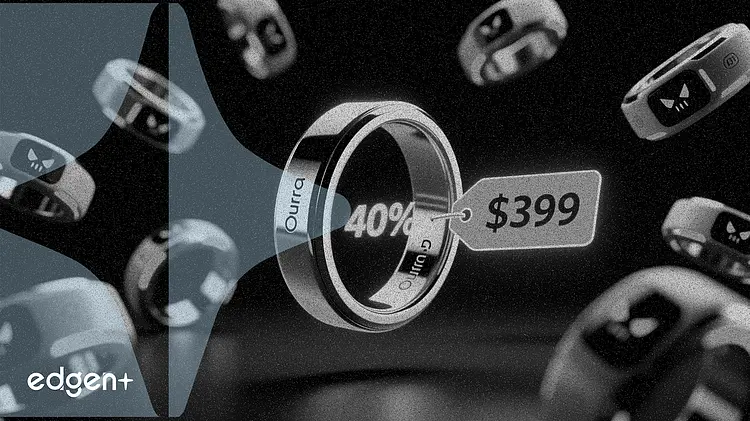
Oura'nın beşinci nesil akıllı yüzüğü, selefinden 18 ay sonra geliyor ve bir anda kalabalıklaşan bir pazara daha ince donanım ve proaktif sağlık uyarıları sunuyor.
Oura'nın Ring 5'i, selefinden %40 daha küçük ve 399 dolardan başlayan fiyatıyla, akıllı yüzük öncüsünün RingConn ve Ultrahuman gibi abonelik ücreti olmayan rakiplerinden ilk ciddi rekabet baskısıyla karşılaştığı bir dönemde piyasaya çıkıyor.
"Üyeler bizden daha küçük ve daha ince bir yüzük yapmamızı istiyordu," diyen Oura ürün müdür yardımcısı Maz Brumand, şirketin boyut küçültmeyi başarmak için mekanik, elektrik, optik, pil ve algılama mimarilerini yeniden tasarladığını belirtti.
Ring 5, Ring 4'ün 0,31 x 0,11 inç ölçülerine kıyasla 0,24 inç genişliğinde ve 0,09 inç kalınlığında. Pil ömrü sekiz günden dokuz güne çıkarken, daha güçlü sensör LED'leri daha geniş bir parmak boyutu ve cilt tonu yelpazesinde doğruluğu artırmayı hedefliyor. Yüzük, 4 Haziran'da 6 ila 13 numaralarında, Siyah ve Gümüş renklerde 399 dolar, Altın ve Stealth gibi premium seçeneklerde ise 499 dolardan — Ring 4'ün başlangıç fiyatına göre 50 dolar artışla — satışa sunuluyor.
Hızlanan lansman döngüsü — Ring 3 ile Ring 4 arasındaki yaklaşık üç yıllık aralığa kıyasla 18 ay — aylık abonelik ücreti olmadan akıllı yüzük sunan rakiplerden gelen artan baskıyı yansıtıyor. Oura'nın aylık 5,99 dolarlık üyeliği, tam işlevsellik için zorunlu olmaya devam ediyor ve rakipler, giyilebilir teknoloji kategorisinin ilk benimseyenlerin ötesine geçtiği bir dönemde bu maliyet avantajını kullanıyor.
Health Radar, Reaktif Uyarılardan Proaktif Uyarılara Geçiyor
Oura, biyometrik sinyalleri arka planda izleyerek sorunlar ortaya çıkmadan önce kalıpları yüzeye çıkaran Health Radar özelliğini tanıtıyor. Lansmanda iki yetenek içeriyor: Kan Basıncı Sinyalleri ve Gece Nefes Alışı.
Kan Basıncı Sinyalleri, kan basıncının doğal olarak düşmesi gereken uyku sırasında kardiyovasküler kalıpları izliyor. Oura, kan basıncı düşmediğinde, gündüz ölçümlerinin gözden kaçırabileceği potansiyel kardiyovasküler riskin sinyalini verebileceğini söylüyor. Samsung'un Galaxy Watch kan basıncı özelliğinden farklı olarak Oura'nın ölçümleri, manşonlu bir tansiyon aletiyle kalibrasyon gerektirmiyor; ancak kullanıcılar uygulamada ayrı bir manşondan okuma yapabiliyor. Gece Nefes Alışı, daha eski yüzüklerde zaten mevcut olan gece nefes düzenliliği verilerini genişleterek, uykuyla ilgili nefes kalıpları ve bozulmalarının 30 günlük dönen bir görünümünü sunuyor.
Oura ayrıca, yapay zekayı lisanslı doktorlarla birleştiren talep üzerine bir platform olan Counsel Health ile ortaklık yoluyla verinin ötesine geçerek bakım hizmeti sunmaya yöneliyor. Üyeler, standart aboneliğe ek bir ücret karşılığında sağlık soruları sorabilecek ve ABD'deki doktorlarla bağlantı kurabilecek; ancak Oura, hizmetin fiyatlandırmasını henüz açıklamadı.
GLP-1 Takibi ve Beyin Sağlığı Daha Geniş Hedeflere İşaret Ediyor
Ring 5, kullanıcıların doz bilgisi, yan etkiler ve kilo değişikliklerini tek bir yerde kaydetmesine olanak tanıyan ve bu verileri Oura'nın mevcut hazır bulunuşluk ve uyku metrikleriyle birleştiren GLP-1 ilaç takibiyle piyasaya çıkıyor. Şirket ayrıca, kısa uygulama içi bilişsel görevleri uzun vadeli fizyolojik trendlerle eşleştiren ve günlük seçimler ile toparlanmanın zihinsel keskinliği nasıl etkilediğini haritalamayı amaçlayan bir Beyin Sağlığı Çalışması başlatıyor.
Oura, yazılım özelliklerini yeni donanıma kilitlemiyor. Health Radar ve Beyin Sağlığı verileri Ring 4 ve Ring 3'e de sunulacak; cihaz bulma özelliği ise Ring 2'yi bile destekleyecek. Bu, mevcut kullanıcıların hemen yükseltme yapması gerekmediği anlamına geliyor; ancak daha ince uyum, iyileştirilmiş doğruluk ve daha uzun pil ömrü, günlük kullanım için cazip olabilir.
Akıllı yüzük pazarı, Apple, Samsung ve Google'ın Fitbit'inden bilek bazlı giyilebilir cihazlara kıyasla küçük kalmaya devam ediyor, ancak hızla büyüyor. Oura'nın ürün döngüsünü hızlandırma ve proaktif sağlık izleme ile bakım hizmetine doğru genişleme kararı, şirketin daha büyük rakiplerin kategoriye girmesinden önce bir liderlik avantajı oluşturmak için bir fırsat penceresi gördüğünü gösteriyor. Yatırımcılar için temel soru, Oura'nın ilk hamle avantajını savunulabilir bir konuma dönüştürüp dönüştüremeyeceği — yoksa aboneliksiz rakiplerin, donanım marjlarının zaten ince olduğu bir pazarda onu fiyat rekabetine zorlayıp zorlamayacağıdır.
Bu makale yalnızca bilgilendirme amaçlıdır ve yatırım tavsiyesi niteliği taşımaz.
