


Önde gelen ABD'li yapay zeka laboratuvarları, Çinli rakiplerinin rekabet avantajı elde etmek için kendi teknolojilerini kullanmalarını önlemek amacıyla birleşik bir cephe oluşturuyor.
Önde gelen ABD'li yapay zeka laboratuvarları, Çinli rakiplerinin rekabet avantajı elde etmek için kendi teknolojilerini kullanmalarını önlemek amacıyla birleşik bir cephe oluşturuyor.
Önde gelen ABD'li yapay zeka laboratuvarları, Çinli rakiplerinin rekabet avantajı elde etmek için kendi teknolojilerini kullanmalarını önlemek amacıyla birleşik bir cephe oluşturuyor.
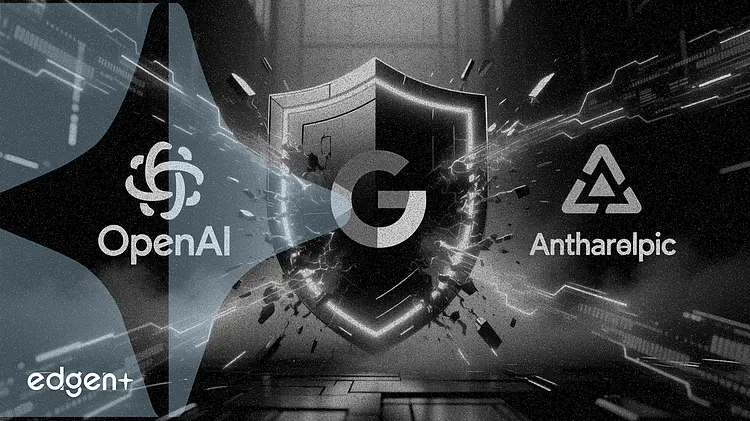
OpenAI, Google ve Anthropic, Çinli şirketlerin yerli alternatifler eğitmek için tescilli modellerini kullanmalarını tespit etmek ve engellemek amacıyla resmi bir bilgi paylaşım süreci kurmak için Frontier Model Forum'u kullanıyor; bu hamle, gelişmekte olan yapay zeka sektöründe ABD-Çin teknoloji rekabetini tırmandırıyor.
Frontier Model Forum sözcüsü yaptığı açıklamada, "İş birliği, gelişmiş yapay zeka modellerimizin hizmet şartlarımızı ihlal edecek şekilde, özellikle de veri damıtma yoluyla kötüye kullanılmasını önlemeyi amaçlıyor," dedi.
Politika, bir şirketin daha küçük ve daha ucuz bir "öğrenci" modeli eğitmek için güçlü bir "öğretmen" modelinin çıktılarını kullanabileceği ve yeteneklerini etkili bir şekilde aktarabileceği "veri damıtma" (data distillation) olarak bilinen bir tekniği hedefliyor. Bu, firmaların sıfırdan gelişmiş yapay zeka geliştirmenin pahalı ve veri yoğun sürecini kestirmeden geçmelerine olanak tanıyor. Yeni çerçeve, şüpheli ihlalcilerin ortak bir veri tabanını oluşturacak ve ortak yaptırım eylemleri için protokoller belirleyecek.
Bu ittifak, Çinli rakipler için kilit bir geliştirme yolunu keserek, OpenAI'ye milyarlarca dolarlık yatırımı olan Microsoft ve Google gibi ABD'li teknoloji devlerinin rekabet avantajını sağlamlaştırabilir. Ancak bu hamle, Pekin'in misilleme önlemlerini kışkırtma riskini taşıyor ve Apple ile Qualcomm gibi Çin pazarına önemli ölçüde maruz kalan ABD'li teknoloji şirketlerinin gelirlerini potansiyel olarak etkileyebilir.
Bu veri damıtma karşıtı ittifakın kurulması, bireysel yaptırımlardan toplu eyleme doğru önemli bir stratejik değişikliğe işaret ediyor. Daha önce OpenAI ve Google gibi şirketler hizmet şartları ihlallerini vaka bazında ele alıyordu. Sektör liderliğindeki Frontier Model Forum aracılığıyla yapılan bu yeni, resmileştirilmiş iş birliği, daha organize ve agresif bir duruş sergiliyor. Bu hamle, Baidu, Alibaba ve Tencent gibi şirketlerin ABD'li muadilleriyle aralarındaki farkı hızla kapattığı görülen Çinli yapay zeka modellerinin artan karmaşıklığına doğrudan bir yanıttır.
Yatırımcılar için bu girişim iki ucu keskin bir kılıç sunuyor. Bir yandan, önde gelen ABD'li yapay zeka şirketlerinin değerli fikri mülkiyetleri etrafındaki kaleyi (moat) güçlendirerek potansiyel olarak uzun vadeli pazar hakimiyetlerini ve modelleri üzerine inşa edilen hizmetlerden gelecekteki gelir akışlarını güvence altına alıyor. Öte yandan, yeni bir jeopolitik risk düzeyi getiriyor. Çin'den gelecek potansiyel bir tepki, ülkede faaliyet gösteren ABD'li teknoloji firmaları için düzenleyici engellerden kendi yerel yapay zeka gelişimini hızlandırmaya kadar uzanabilir ve daha parçalı ve rekabetçi bir küresel pazar yaratabilir. Bu büyük modelleri eğitmek için gerekli donanımı sağlayan Nvidia gibi yarı iletken firmaları üzerindeki etkisi, hem artan ABD talebinden hem de potansiyel Çin kısıtlamalarından etkilenebileceği için belirsizliğini koruyor.
Bu makale yalnızca bilgilendirme amaçlıdır ve yatırım tavsiyesi teşkil etmez.
