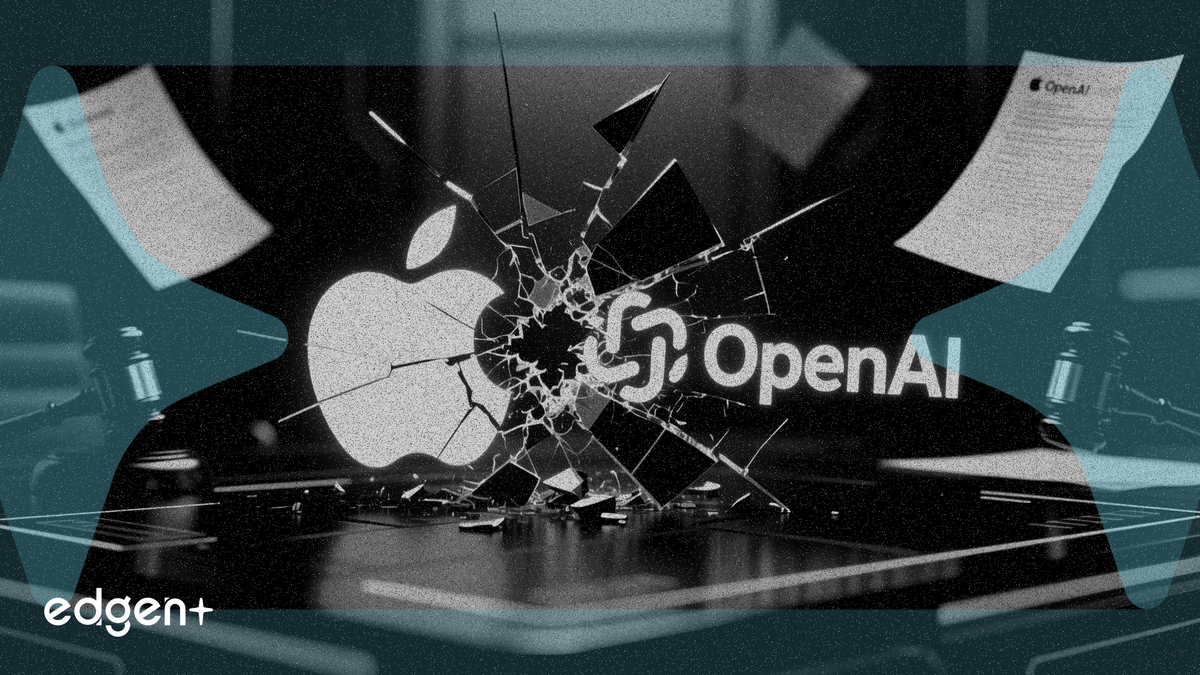
(Bloomberg) -- OpenAI, ChatGPT entegrasyonuna yönelik yüksek profilli bir ortaklığın, yapay zeka firmasının finansal sonuçlar ve kullanıcı benimsemesi açısından hayal kırıklığı yarattığını düşündüğü bir tablo ortaya koyması üzerine Apple Inc.'e dava açmayı planlıyor. Bu hamle, iki teknoloji devini doğrudan rakibe dönüştürme riskini taşıyor.
Potansiyel dava, OpenAI'ın Apple'ın iOS, iPadOS ve macOS sistemlerindeki ChatGPT entegrasyonunun sınırlı kapsamı ve yetersiz finansal getirisinden duyduğu hoşnutsuzluğu ayrıntılandıran 14 Mayıs tarihli Bloomberg raporuna dayanıyor. Konuya yakın bir kaynak, Apple'ın Safari'deki arama yerleşimi için Google ile yaptığı milyarlarca dolarlık anlaşmayla tezat oluşturarak, "ChatGPT ortaklığı bu düzeyde bir gelir veya stratejik değer üretmeye yaklaşamadı bile" dedi.
OpenAI'ın iç çalışmaları, kullanıcıların daha az özellik sunan ve daha sıkı kısıtlamalar içinde çalışan Apple'ın yerleşik entegrasyonları yerine, bağımsız ChatGPT uygulamasını büyük bir farkla tercih ettiğini ortaya koydu. Yapay zeka şirketi, ortaklığın Apple'ın devasa kullanıcı tabanından milyarlarca dolarlık yinelenen abonelik geliri sağlamasını bekliyordu ancak bu öngörü gerçekleşmedi. Anlaşma, büyük doğrudan ödemelerden ziyade stratejik faydalar üzerine kurgulanmıştı; OpenAI müşteri büyümesi beklerken, Apple kendi sistemlerini geliştirirken geçici bir yapay zeka çözümü kazanıyordu.
Çatışma, stratejideki temel bir uyumsuzluğu ve büyüyen rekabeti vurguluyor. Gizliliğe öncelik veren Apple, Apple Intelligence sistemini cihaz içi işleme ve kendi Özel Bulut Bilişim (Private Cloud Compute) altyapısı etrafında inşa etti. Bu, OpenAI'ın bulut odaklı yaklaşımıyla tezat oluşturuyor ve Apple'ı üçüncü taraf veri işleme konusunda temkinli kılıyor. İlişki, OpenAI'ın Jony Ive'ın yapay zeka donanım girişimini satın alması ve Apple mühendislerini agresif bir şekilde işe almasıyla daha da karmaşık hale geliyor; bu da ikilinin gelecekte hem yazılım hem de donanımda doğrudan rakip olacağına işaret ediyor.
Uyuşmayan Beklentilerin Ortaklığı
İhtilafın özünde iki şirket arasındaki uyuşmayan beklentiler yatıyor. Raporlara göre OpenAI, ChatGPT'nin yüz milyonlarca Apple kullanıcısı için merkezi bir özellik haline geleceği derin, sistem çapında bir entegrasyon hayal etmişti. Bu erişimin, önemli bir yeni ChatGPT Plus abonesi akışına dönüşeceğine inanıyorlardı.
Ancak Apple, entegrasyonu çok daha sınırlı bir şekilde uyguladı. Kullanıcıların Siri komutlarında genellikle özellikle "ChatGPT"yi çağırması gerekiyor ve yanıtlar, tam özellikli bağımsız uygulamaya kıyasla daha küçük, daha az bilgilendirici pencerelerde sunuluyor. Bu uygulama, derinlemesine yerleştirilmiş bir yapay zeka katmanından ziyade yönetilen bir Siri uzantısına benziyor; bu karar, kullanıcı benimsemesini ve dolayısıyla OpenAI için geliri önemli ölçüde kısıtlamış gibi görünüyor.
Ortaktan Rakibe
Yıpranan ortaklık, artan rekabetin ortasında gelişiyor. OpenAI, özellikle eski Apple tasarım şefi Jony Ive tarafından yönetilen bir firmayı satın alarak ve milyonlarca dolarlık tazminat paketleriyle Apple'ın mühendislik yeteneklerini aktif olarak bünyesine katarak donanım konusunda Apple ile rekabet etme hırslarını açıkça ortaya koydu.
Apple ise harici yapay zeka modellerinin değiştirilebilir emtialar olduğu bir gelecek inşa ediyor. Şirket, kullanıcıların Google ve Anthropic gibi OpenAI rakipleri de dahil olmak üzere çeşitli üçüncü taraf yapay zeka modelleri arasından seçim yapmasına olanak tanıyacak bir "Uzantılar" (Extensions) sistemi sunmayı planlıyor. Bu strateji, ChatGPT'yi iOS'un potansiyel temel taşı olmaktan çıkarıp birçok seçenekten biri haline getirerek Apple platformu için stratejik önemini daha da azaltıyor. OpenAI ile Elon Musk arasında devam eden hukuk mücadelesi Apple'a karşı herhangi bir resmi işlemi geciktirebilir, ancak teknoloji dünyasının en etkili iki firması arasında uzun süreli ve karmaşık bir hesaplaşma için zemin hazırlanmış durumda.
Bu makale sadece bilgilendirme amaçlıdır ve yatırım tavsiyesi teşkil etmez.