Petrol fiyatlarındaki aşırı volatilite, küresel ticaret için tek başına yüksek fiyatlardan daha büyük bir tehdit oluşturuyor; yeni bir analiz, tam etkinin henüz hissedilmediği konusunda uyarıda bulunuyor.
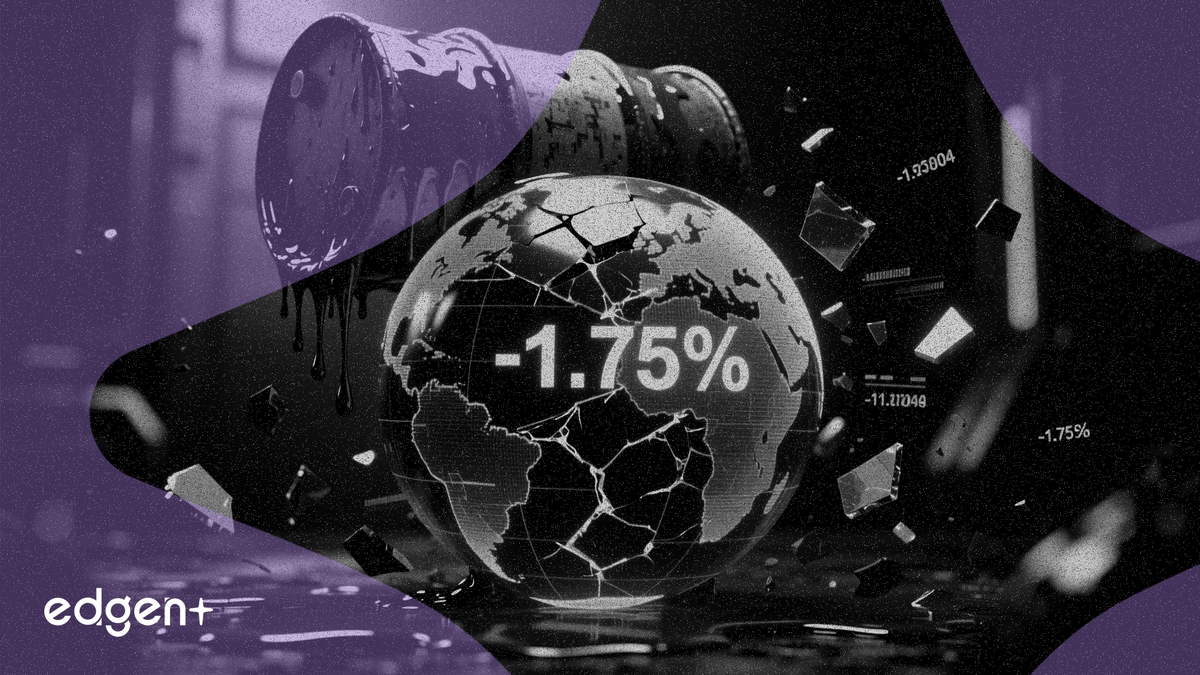
Bağımsız ticaret izleme kuruluşu Global Trade Alert'ın (GTA) yeni bir raporuna göre, ABD-İran çatışmasının başlangıcından bu yana yaşanan şiddetli petrol fiyatı volatilitesi, gelecek yılın sonuna kadar küresel ticaret büyümesini 1,75 yüzde puanı kadar düşürme tehdidi taşıyor.
Global Trade Alert kurucusu ve İsviçre'deki IMD işletme okulunda ticaret uzmanı olan Simon Evenett, "En kötüsü henüz önümüzde olabilir" dedi. "Sürekli yakıt fiyatı volatilitesinin küresel ticaret üzerindeki baskısının tam olarak hissedilmesi 19 ayı bulabilir."
Çatışmanın başladığı 28 Şubat'tan bu yana petrol fiyatı volatilitesi yaklaşık %60 arttı. Küresel gösterge olan Brent ham petrolü, Hürmüz Boğazı'nın yeniden açılmasına yönelik müzakerelerin durmasıyla varil başına yaklaşık 70 dolardan geçen hafta 126 doların üzerindeki zirveye kadar dalgalandı.
Bulgular, Dünya Ticaret Örgütü'nün 2027 için öngördüğü %2,6'lık daha iyimser ticaret büyümesi tahminine meydan okuyor ve fiyat istikrarsızlığının kendisinin -nakliye sözleşmelerini, envanterleri ve tüketici güvenini bozarak- ticarete mutlak fiyat seviyesinden daha fazla zarar verdiğini öne sürüyor.
Volatilite Fiyattan Daha Zararlı
GTA analizinden çıkan temel sonuç, küresel ticaret için petrol fiyatlarındaki istikrarsızlığın mutlak fiyattan çok daha yıkıcı olduğudur. Raporda, "Pahalı ama istikrarlı petrol fiyatlarının olduğu bir dünya, volatil petrol fiyatlarının olduğu bir dünyadan ticarete daha az zarar verir" ifadesine yer veriliyor.
Sürekli yüksek fiyatlar Japonya ve Euro Bölgesi gibi imalat odaklı ekonomiler için maliyetleri artırırken, emtia ihraç eden ülkeler için gelirleri artırarak kısmi bir dengeleme yaratıyor. Ancak fiyat volatilitesi daha geniş sistemik sürtünmelere neden oluyor. Rapor, keskin fiyat dalgalanmalarının nakliye sözleşmelerinin yeniden müzakere edilmesine zorladığını, plansız envanter azalmalarına yol açtığını ve büyük pazarlardaki tüketici güvenine zarar verdiğini belirtiyor. Bu etkiler birkaç ay içinde ticaret verilerine kademeli olarak yansıyor.
GTA'nın mevcut volatilite izinin devam ettiğini varsayan temel modeli, 2027 sonuna kadar küresel ticaret büyümesinde 1,75 yüzde puanlık bir azalma öngörüyor. Ukrayna'daki çatışmanın ardından yaşanan enerji krizine benzer daha az şiddetli bir senaryo bile 1,1 yüzde puanlık bir baskı anlamına geliyor.
Afrika ve Orta Doğu En Çok Zarar Görecek Olanlar
GTA tarafından modellenen ve 2008'deki emtia fiyat çöküşünü yansıtan en şiddetli senaryoda, Afrika ve Orta Doğu, ticaret büyümesinin sekiz yüzde puanından fazla düşmesiyle en ağır darbeyi alan bölgeler olacak.
Çin'in ticaret büyümesi, Amerika Birleşik Devletleri üzerindeki etkinin yaklaşık üç katı olan yaklaşık üç yüzde puanlık negatif bir etki görecek. Japonya ve Euro Bölgesi de ticaret büyümeleri üzerinde önemli baskılarla karşı karşıya. Buna karşılık, gelişmekte olan Asya ekonomileri ve Latin Amerika modelde henüz önemli etkiler göstermedi.
Jeopolitik Gerilimler Piyasayı Tetikte Tutuyor
Fiyat volatilitesi, dünyanın günlük petrol ve gaz arzının yaklaşık %20'si için bir darboğaz olan Hürmüz Boğazı'nı çevreleyen derin belirsizliği yansıtıyor. İran, ABD ve İsrail'in 28 Şubat'ta saldırılar düzenlemesinin ardından boğazı bloke etti ve ABD'nin İran limanlarına yönelik karşı ablukası gerilimi yüksek tuttu.
Rystad Energy petrol piyasaları başkan yardımcısı Janiv Shah, "Daha fazla tırmanma ve enerji altyapısına yapılacak herhangi bir saldırı, göstergeleri hızla yükselmeye zorlayabilir" dedi.
ABD Donanması bazı gemilere boğazdan geçerken eşlik etmeye başlayarak acil arz korkularını hafifletmeye ve fiyatların zirvelerinden hafifçe gerilemesine yardımcı olsa da durum kırılganlığını koruyor. Enerji piyasası analiz firması Vanda Insights'ın kurucusu Vandana Hari, boğazın tamamen yeniden açılması görünene kadar petrol fiyatlarının "yukarı gitmekten başka çaresi olmadığını" söyledi.
Bu makale sadece bilgilendirme amaçlıdır ve yatırım tavsiyesi teşkil etmez.