
A top Russian official declared Iran’s control of the Strait of Hormuz a “nuclear-weapon-grade” bargaining chip, sending a fresh wave of fear through energy markets.
A top Russian official declared Iran’s control of the Strait of Hormuz a “nuclear-weapon-grade” bargaining chip, sending a fresh wave of fear through energy markets.
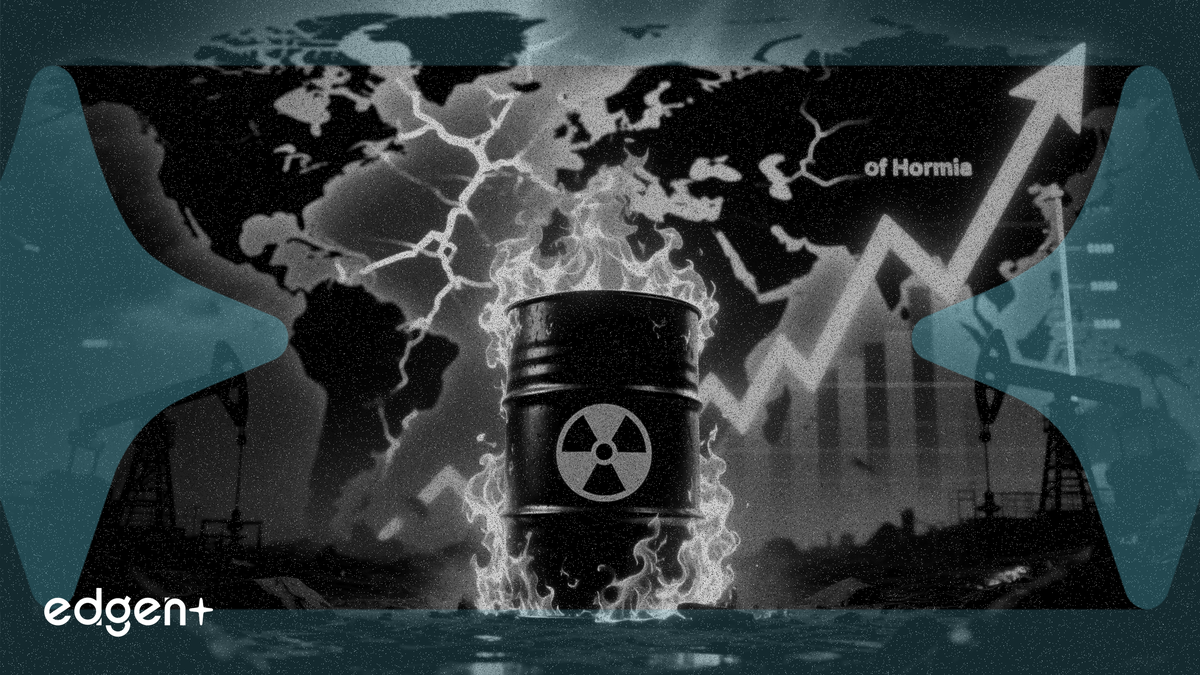
West Texas Intermediate crude surged 3.5 percent to $116.36 a barrel, its highest closing price since June 2022, after a top Russian official compared Iran's control over the Strait of Hormuz to a nuclear weapon, escalating geopolitical tensions just hours before a U.S. deadline for the waterway to be reopened.
"One thing is certain—Iran has tested its nuclear weapon. It is the Strait of Hormuz. Its potential is endless," Dmitry Medvedev, Deputy Chairman of Russia's Security Council, said on social media Wednesday, adding, "The weapon is working." The comments provided a Kremlin backstop to Tehran's strategy and amplified concerns of a prolonged global supply disruption. Brent crude futures also rose 0.6 percent to $110.40.
The stark warning from Moscow came as traders watched the clock on a Tuesday 8:00 p.m. ET deadline set by U.S. President Donald Trump for Iran to cease its attacks on shipping or face strikes on its civil infrastructure. The effective closure of the strait, which handles about 20 percent of global oil and liquefied natural gas flows, has already sent shockwaves through the economy. Daily vessel transits have collapsed from an average of 135 to a total of just 116 in the first 25 days of March, according to the Financial Times.
Iran's strategy of selective passage—granting access to friendly nations while blocking others—is a calculated move to fracture any international coalition against it. Ships flagged to China, Russia, India, Pakistan, and Turkey have been allowed to transit, creating a new geopolitical reality on the water. "The deals Iran is making with other countries to allow for passage through the strait 'undermine U.S. leverage'," Andrea Ghiselli, a lecturer at the University of Exeter, told TIME. He added that Iran is laying the "foundation" for "strengthening its control over the strait in the long term."
This bifurcated system pressures U.S. allies and creates a wedge against unified action. The last major disruption in the strait, during the 1980s "Tanker War," saw less than 2 percent of tankers hit, but still required a significant international naval presence to secure passage. Today, Iran is demonstrating it can manage the flow without U.S. involvement, a move that could have lasting consequences for global energy security and American influence in the region.
The economic stakes are immense. In a rejected 10-point proposal, Iran reportedly offered to reopen the strait in exchange for the right to charge tolls of up to $2 million per vessel, which it would use for reconstruction. Should Iran successfully institutionalize a toll, the choice of currency could be a direct challenge to American financial power. "Should Iran favour the euro or the Chinese Yuan, this could challenge the dominance of the petrodollar system and, by extension, the U.S. dollar’s position in the global economy,” Liu Jia, a research fellow at the National University of Singapore, told TIME.
As the deadline approaches, diplomatic off-ramps appear closed. Both Washington and Tehran have rejected each other's ceasefire proposals, with Iran insisting on a permanent cessation of all U.S. and Israeli attacks. With oil inventories dwindling and President Trump threatening that "a whole civilization will die tonight" unless a deal is reached, the market is pricing in a significant risk of further military escalation that could drive crude prices higher and push the global economy toward a recession.
This article is for informational purposes only and does not constitute investment advice.