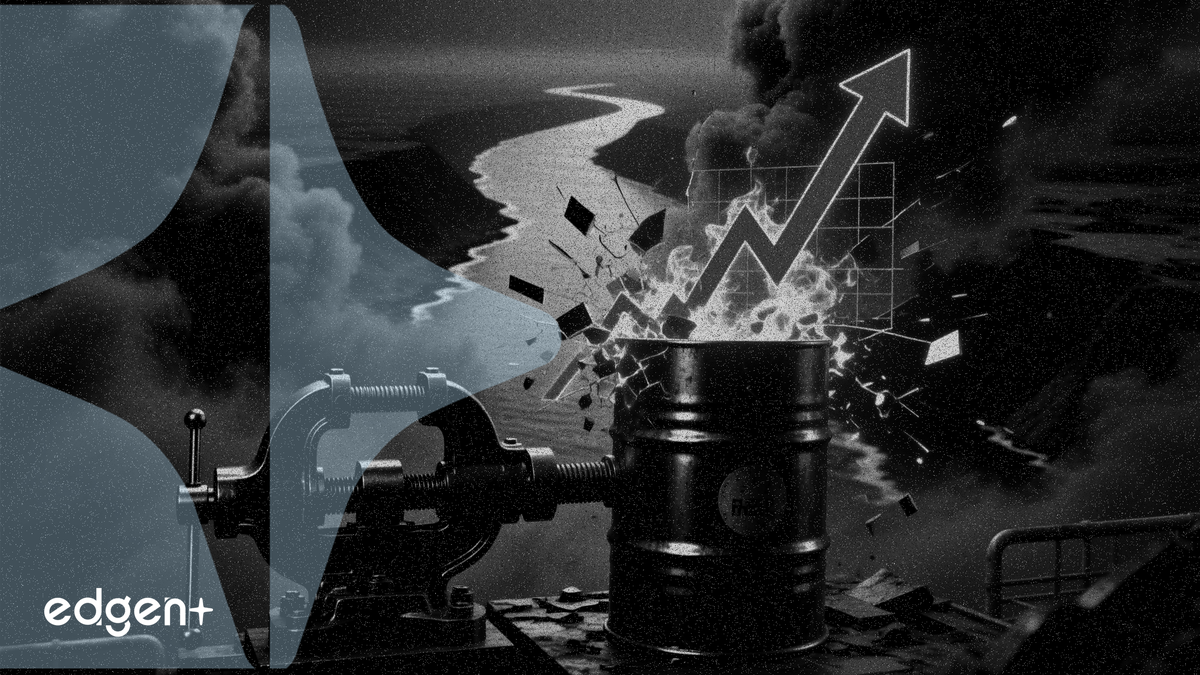
The ongoing conflict in the Middle East has escalated into a full-blown energy crisis, with Iran's closure of the Strait of Hormuz creating an 11 million barrel per day shortfall in global oil supply and pushing crude prices toward $90 a barrel.
"The correlation is quite strong," said Arthur Portier, a consultant at Argus Media France, highlighting the link between rising oil costs and the prices of other commodities, including grains and fertilizers.
The disruption has sent shockwaves across markets. Brent crude futures for June delivery are pricing in a 20% move, reflecting sustained geopolitical risk. The impact extends beyond energy, with nearly 30 percent of global urea exports, a key fertilizer, stranded and threatening to drive up food prices for months. A UK government minister has warned that consumers could face higher food and fuel prices for at least eight months after the conflict is resolved.
The crisis is a stark reminder of the global economy's dependence on a few critical maritime passages and is forcing a rapid re-evaluation of energy security. For investors, the key question is whether this disruption will permanently alter the energy landscape, creating long-term tailwinds for electric vehicle manufacturers like NIO Inc. as consumers seek alternatives to volatile oil markets.
A Multi-Commodity Shockwave
The fallout from the Hormuz closure is rippling through global supply chains, affecting a wide range of goods beyond oil and gas. The blockage has disrupted exports of Iranian pistachios, Ecuadorian bananas, and Kenyan avocados, all of which face shipping delays and rising transport costs.
The conflict has also hit industrial commodities. The Middle East supplies 40 percent of the global sulphur exports, a critical component in the refining of copper, nickel, and cobalt. With over 510,000 tonnes of sulphur stranded on ships, the mining industry, particularly in copper-rich Chile, faces significant production hurdles.
The EV Catalyst
The sustained spike in oil prices is seen by some as a powerful catalyst for the electric vehicle sector. The logic is straightforward: as gasoline prices climb, the total cost of ownership for EVs becomes more attractive to consumers. This has led to a bullish sentiment for EV makers, with some investors aggressively accumulating shares in companies like NIO Inc. (NYSE: NIO). The thesis is that the geopolitical instability will accelerate the inevitable shift to electric transportation, creating a long-term tailwind for the industry. While the immediate focus is on the energy and commodity crunch, the second-order effect could be a faster-than-anticipated transition to a post-oil economy.
This article is for informational purposes only and does not constitute investment advice.