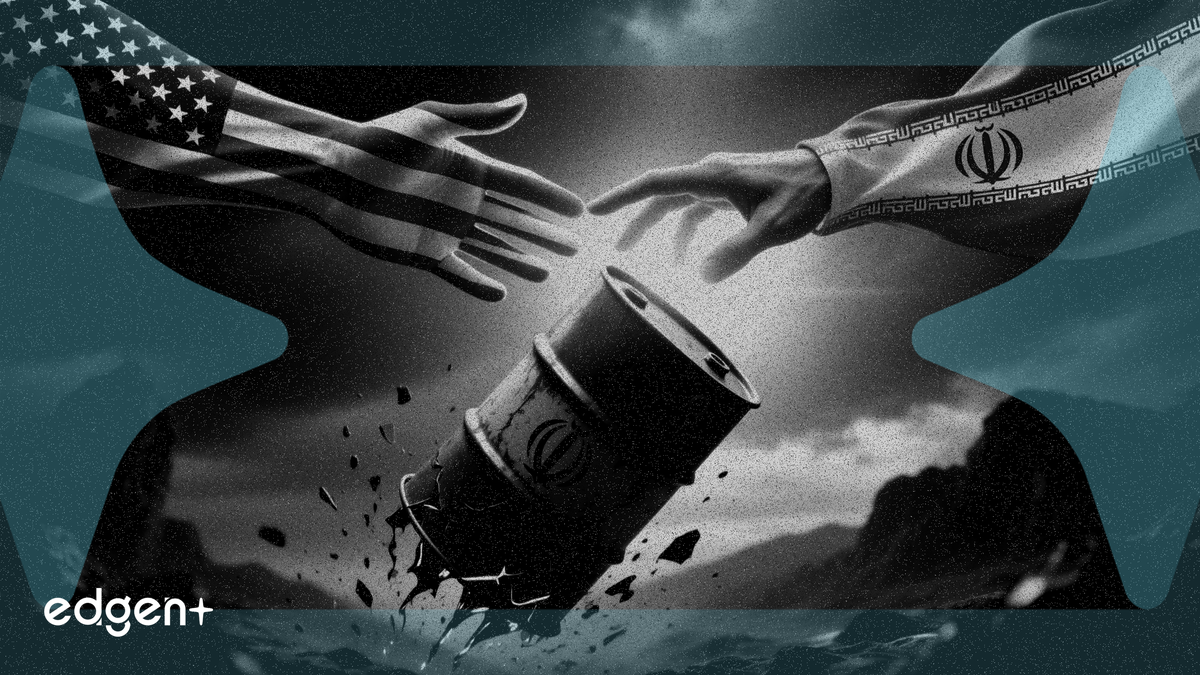
Oil prices fell for a second day on prospects of renewed U.S.-Iran peace talks that could lead to an easing of severe supply disruptions from the Middle East. International benchmark Brent crude was down 0.4% at $94.57 a barrel, while U.S. West Texas Intermediate crude futures declined 0.6% to $90.76 per barrel.
"Resuming flows through the Strait of Hormuz remains the single most important variable in easing the pressure on energy supplies, prices and the global economy," the International Energy Agency said in a report published Tuesday.
The potential for a diplomatic breakthrough has put downward pressure on prices that had surged above $100 a barrel following the implementation of a U.S. naval blockade on Iranian ports. The move comes as mediators are reportedly pushing for a compromise to reopen the critical Strait of Hormuz, a chokepoint for nearly a fifth of global oil and gas shipments. Asian stock markets edged higher on the news, with Japan's Nikkei 225 gaining 2.6%.
While markets are reacting to positive diplomatic signals, the physical supply situation remains tight. Even as talks are considered, the U.S. is ending sanctions waivers on Iranian and Russian oil shipments, potentially tightening global supply further. The outcome of the negotiations, reportedly taking place over the next two days, will determine if the significant risk premium currently baked into oil prices will unwind or escalate.
Diplomatic Overtures Meet Physical Constraints
The push for a second round of negotiations follows earlier talks in Pakistan and comes ahead of the expiration of a fragile two-week ceasefire. According to reports, the two sides have an “in principle” agreement to continue diplomacy, with discussions expected to cover Iran’s nuclear enrichment program and the status of the Hormuz strait.
However, analysts caution that market optimism may be premature. "While the market is thinking the worst is over and factoring in further rounds of peace talks between the U.S. and Iran in the coming days, there is more hope than actual developments at this point," said Suvro Sarkar, energy sector team lead at DBS Bank.
Strait of Hormuz Remains Choked
The physical reality on the water remains fragmented. Goldman Sachs noted that flows through the Strait of Hormuz are running at just 10% of normal levels, approximately 2.1 million barrels per day. The U.S. blockade of Iranian ports continues to be enforced, with several vessels reportedly turned back.
This has forced refiners, particularly in Asia and Europe, to desperately seek alternative crude supplies, pushing premiums for cargoes from the U.S. Gulf Coast and North Sea to record highs. A cargo of WTI Midland for delivery to Rotterdam, for example, traded at a record premium of $22.80 a barrel above benchmark European prices. The U.S. also confirmed it will not renew a 30-day waiver on sanctions covering Iranian oil at sea that expires this week, adding another layer of supply constraint.
This article is for informational purposes only and does not constitute investment advice.