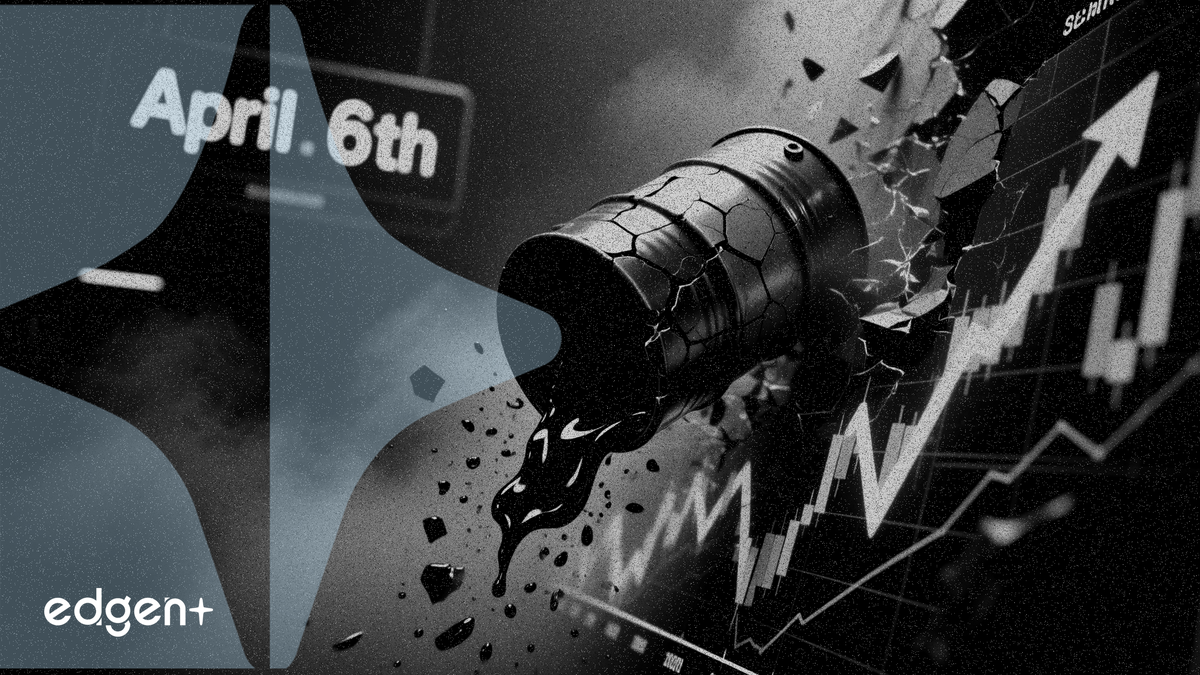
트럼프의 4월 6일 기한 연장으로 WTI 원유 90달러 아래로 하락
도널드 트럼프 미국 대통령은 3월 26일 목요일, 이란 에너지 시설에 대한 위협적인 군사 공격을 두 번째로 연기하여 기한을 10일 연장해 2026년 4월 6일 동부 표준시 오후 8시로 정했다고 발표했습니다. 소셜 미디어를 통해 발표된 이 성명은 연기가 이란 정부의 요청에 따른 것이며 협상이 "매우 순조롭게" 진행되고 있다고 밝혔습니다. 이 소식은 에너지 시장에 즉각적인 변동성을 유발했습니다. 서부 텍사스산 원유(WTI) 선물 가격은 급락하여 배럴당 90.00달러 아래로 잠시 떨어졌고, 미국 달러 인덱스는 100.00으로 강세를 보였습니다. 이 새로운 기한은 3월 21일 처음 발표된 최후통첩을 연장한 것으로, 처음에는 이란에게 상업 선박을 위해 호르무즈 해협을 재개방할 시간을 48시간만 주었습니다.
긴장 완화 기대감에 호주 증시 1.9% 반등
지정학적 긴장 완화는 글로벌 위험 자산의 회복을 촉진했습니다. 호주의 벤치마크 S&P/ASX 200 지수는 3월 25일 1.89% 상승하여 약 8,538포인트로 마감했으며, 투자자들은 긴장 완화의 신호를 환영했습니다. 이 반등은 시장에 한숨 돌릴 여유를 주었습니다. 이 시장은 2월 말 분쟁이 시작된 후 3월 초 최고점 대비 9% 이상 하락했습니다. 이전 하락세는 전 세계 석유 공급의 약 20%를 운반하는 통로인 호르무즈 해협에 대한 위협이 시장을 흔들면서 약 3,000억 호주 달러의 시장 가치를 지웠습니다. 즉각적인 위협은 연기되었지만, 공급 충격의 근본적인 위험은 투자자들에게 여전히 핵심 요소입니다.
시장은 4월 6일 협상 결과에 촉각
연기가 당장의 우려를 완화시키지만, 하루 700만에서 1,000만 배럴의 석유 공급을 위협하는 근본적인 갈등은 해결되지 않은 상태입니다. 긴장 완화 전, 고조된 위험은 골드만삭스가 3월과 4월 평균 유가 전망을 배럴당 110달러로 상향 조정하도록 촉발했습니다. 시장은 이제 임박한 군사 행동 가능성을 낮게 보고 있지만, 4월 6일의 새로운 기한은 다음 주요 촉매제 역할을 합니다. 협상 결렬은 공급 위기 우려를 다시 불러일으켜 유가를 급등시킬 수 있으며, 외교적 해결은 몇 주 동안 에너지 가격을 상승시켰던 지정학적 위험 프리미엄을 해소할 수 있습니다.