
The fragile ceasefire in the Middle East is under pressure as diplomatic efforts to reopen the critical Strait of Hormuz falter, pushing oil prices higher on renewed supply fears.
The fragile ceasefire in the Middle East is under pressure as diplomatic efforts to reopen the critical Strait of Hormuz falter, pushing oil prices higher on renewed supply fears.
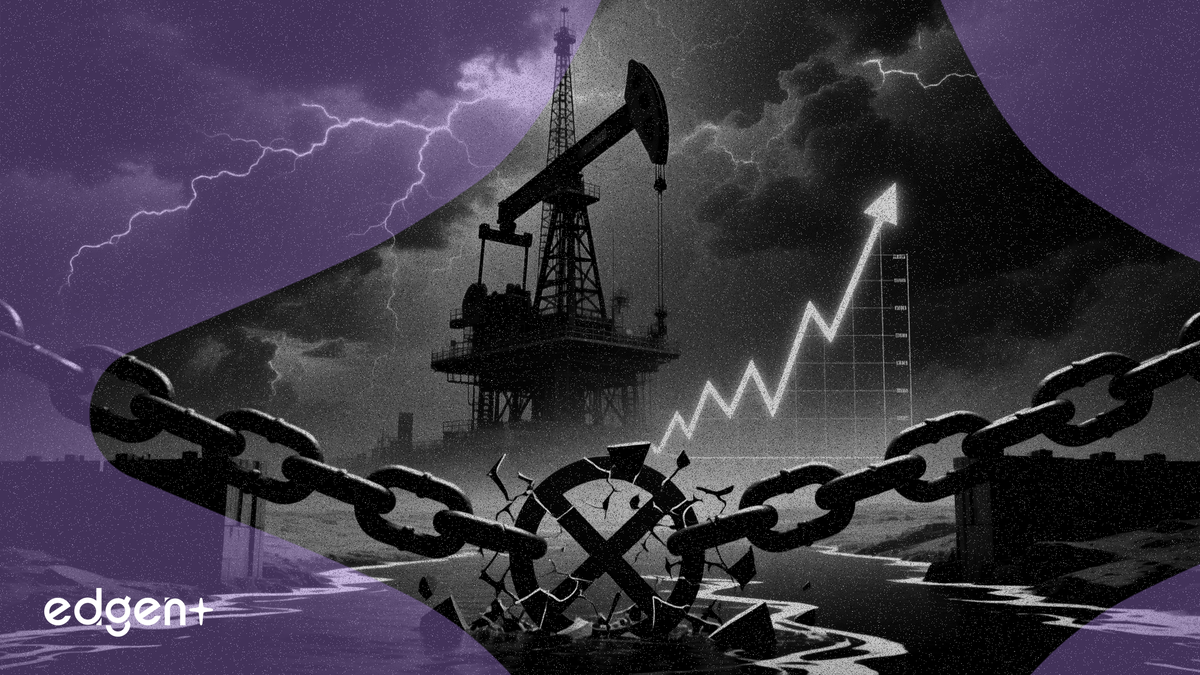
The United States reportedly rejected Iran's proposal to reopen the Strait of Hormuz, a deal that would have postponed talks on Tehran's nuclear program, pushing oil prices up over 1.5 percent and keeping geopolitical risk premiums elevated.
"That fundamental issue still has to be confronted," U.S. Secretary of State Marco Rubio said in a Fox News interview regarding Iran's nuclear ambitions. "That still remains the core issue here."
The market reaction saw Brent crude futures climb while U.S. stock futures edged lower, reflecting investor uncertainty. The dollar strengthened as traders moved toward safe-haven assets. The impasse leaves roughly 20,000 seafarers and hundreds of vessels, including oil and gas tankers, stuck in the Persian Gulf.
At stake is the flow of about a fifth of the world's daily oil supply, which passes through the narrow waterway. With Iran's offer contingent on the U.S. lifting its naval blockade and ending the war—terms President Trump is unlikely to accept—the global economy remains vulnerable to a supply shock that could further strain energy markets and fuel inflation.
Iran's offer, delivered via intermediaries including Pakistan and Russia, was aimed at breaking the deadlock that has shuttered the strait for weeks. Tehran proposed a full reopening of the waterway in exchange for an end to the U.S. blockade, with broader discussions on its nuclear program to follow. The proposal was seen by some as a potential off-ramp but was quickly met with skepticism in Washington.
U.S. officials have been firm that any deal must address the country's nuclear program. Rubio's comments suggest the administration will not trade sanctions relief and an end to the conflict merely for the reopening of a waterway they believe Iran is obligated to keep open under international law. French Foreign Minister Jean-Noël Barrot echoed this, stating at a U.N. Security Council meeting that international waterways are "not for sale."
The continued closure has significant economic consequences. The United Nations warned of the "worst supply chain disruption since COVID-19," with pressures cascading into empty fuel tanks and rising consumer prices. Airlines have already begun canceling flights due to strains on jet fuel supplies, and German Chancellor Friedrich Merz criticized the U.S. for entering the conflict without a clear exit strategy, making it harder to end.
For now, the standoff continues. The U.S. Navy maintains its blockade on Iranian ports, and Iran maintains its chokehold on the strait. With diplomatic channels appearing to yield no immediate results, markets are bracing for continued volatility, and the risk of a miscalculation from either side remains high.
This article is for informational purposes only and does not constitute investment advice.