
A last-minute deal between 34,000 building workers and landlords highlights the escalating affordability crisis squeezing every corner of New York City's real estate market.
A last-minute deal between 34,000 building workers and landlords highlights the escalating affordability crisis squeezing every corner of New York City's real estate market.
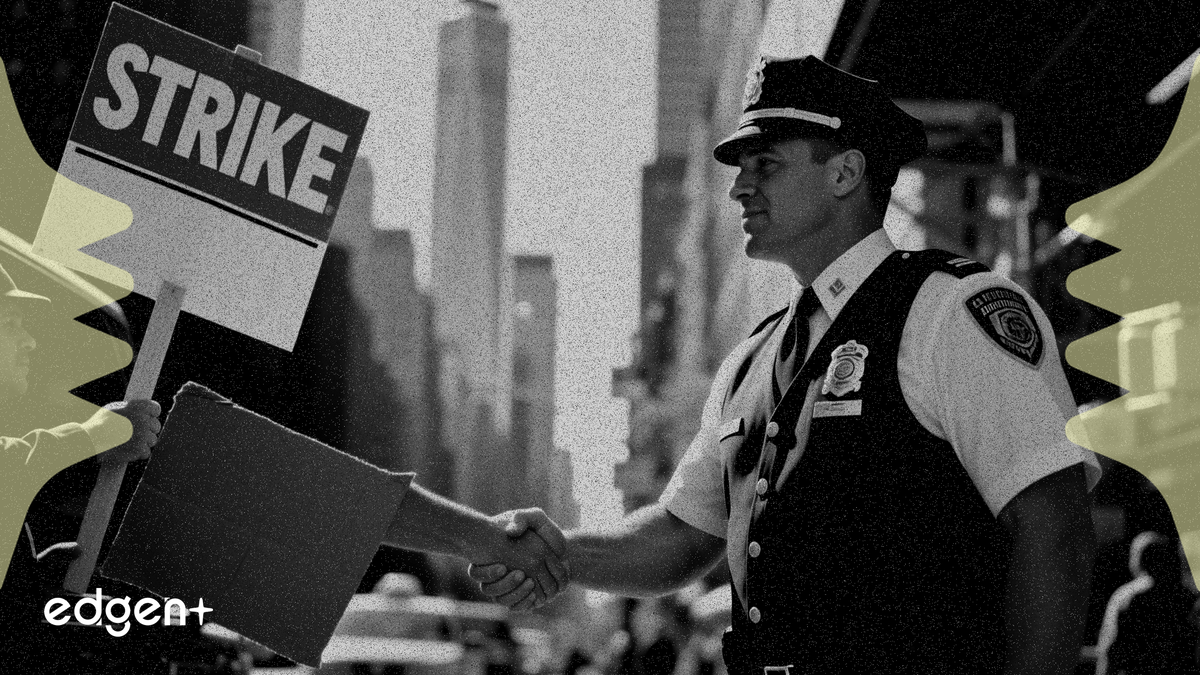
New York City’s residential building workers secured a tentative four-year contract with a gradual $4.50 hourly wage increase, averting a strike that would have been the first in 35 years and impacted over one million residents.
"The standoff between landlords and doormen highlights how difficult it is to run a building under these cost pressures and also pay people what they deserve, especially in this affordability crisis," said Kenny Burgos, head of the New York Apartment Association, one of the city’s largest landlord trade groups.
The agreement maintains fully paid family healthcare and avoids a two-tier wage system, pushing the average salary for a typical doorman to over $71,000 by the contract's end from a current average of $62,000. The deal was struck between the 32BJ SEIU union, representing 34,000 workers, and the Realty Advisory Board, which represents building owners.
The deal prevents immediate disruption for residents in thousands of high-rises but underscores the persistent tension between rising labor costs and the financial pressures on landlords, who face increasing insurance and utility expenses alongside a potential rent freeze for stabilized units. This dynamic puts a spotlight on the long-term sustainability of the city's housing model.
The negotiations unfolded against a backdrop of a citywide affordability crunch affecting nearly everyone. The typical rent for a New York City two-bedroom apartment was $5,300 in March, the highest in the U.S., according to data from Zumper. A March report from the Mayor’s Office of Equity and Racial Justice found that about 62 percent of New Yorkers cannot afford the cost of living.
“Everything is going up,” said Ariel Buenaventura, a doorman on Manhattan’s Upper East Side, ahead of the deal. “The gas prices, the groceries, everything.” Many union members commute long distances and said the previous salary of around $62,000 a year was not enough to keep pace with inflation.
Building owners argued they are also under severe financial strain. The Realty Advisory Board had insisted that the prior contract's model of zero-contribution family healthcare was not sustainable. It pointed out that the average doorman, while making about $62,000 annually, costs an employer more than $112,000 when healthcare is factored in.
Landlords also pointed to rising costs for insurance and utilities and the potential for a rent freeze on rent-stabilized units as threats to their business. The union countered that less than three percent of its members work in buildings that are majority rent-stabilized. Some owners, like Danny Fishman, who owns several doorman buildings, said they were hoping for a longer impasse to gain more leverage on contract terms.
The union had powerful political backing, including from New York City Mayor Zohran Mamdani, who publicly supported their push for a fair contract. The mayor’s administration has also taken steps to address landlord concerns, proposing measures to reduce property-insurance costs for owners of rent-stabilized and affordable housing.
The situation also intersects with broader city and state housing policy debates, including Governor Kathy Hochul’s proposed pied-à-terre tax on second homes valued at $5 million or more, a plan supported by Mayor Mamdani. "If you’re a landlord, if you’re a tenant, so long as you’re a New Yorker that is facing a cost-of-living crisis, it’s the administration’s responsibility to have an answer to that,” Mamdani said at a press conference.
This article is for informational purposes only and does not constitute investment advice.