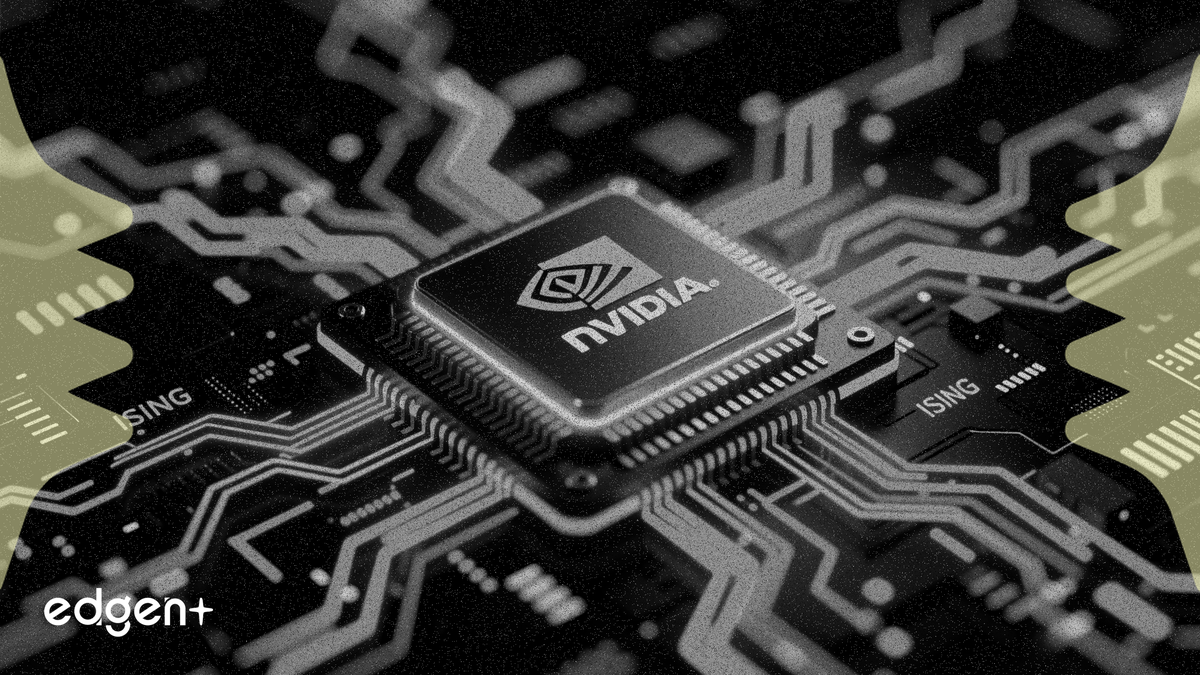
Nvidia Corp., 14 Nisan'da dünyanın ilk açık kaynaklı kuantum yapay zeka modeli ISING'i piyasaya sürdü; bu hamle kuantum hesaplama gelişimini hızlandırabilir ve sektörün erken liderlerine meydan okuyabilir.
Bir Nvidia sözcüsü, "ISING'i açık kaynaklı hale getirerek, kuantum yapay zekanın potansiyelini açığa çıkarmaları için araştırma topluluğuna güçlü bir araç sağlıyoruz" dedi. "Bunun iş birliğini ve inovasyonu teşvik ederek tüm alanı ileriye taşıyacağına inanıyoruz."
ISING modeli için spesifik performans kıyaslamaları henüz açıklanmamış olsa da, açık kaynaklı bir araç olarak piyasaya sürülmesi önemli bir gelişmedir. Sycamore işlemcisiyle önemli bir kuantum üstünlüğü kilometre taşına ulaşan Google veya kuantum bilgisayar filosuna sahip IBM gibi rakiplerin kapalı, özel sistemlerinin aksine, ISING'in erişilebilirliği geniş bir kullanıcı kitlesi oluşturmak üzere tasarlanmıştır. Model, istatistiksel mekanikte ferromanyetizmanın matematiksel bir modeli olan ve kuantum fiziğinde kilit bir kavram olan faz geçişlerini incelemek için kullanılan Ising modelinden adını almıştır.
ISING'in lansmanı, Nvidia'nın yüksek performanslı hesaplama pazarındaki hakimiyetini pekiştirmeye hazırlanıyor ve Nasdaq'ta işlem gören hissesini (NVDA) potansiyel olarak etkileyebilir. Bu hamle ayrıca, sektörün Nvidia gibi büyük bir oyuncunun önemli bir açık kaynak katkısı yapmasının sonuçlarını sindirmesiyle IonQ ve Rigetti Computing gibi şirketleri etkileyerek kuantum hesaplama sektöründe yeni bir yatırım ve rekabet dalgasını tetikleyebilir.
Kuantum Liderlerine Meydan Okumak İçin Açık Kaynak Stratejisi
Nvidia'nın ISING modelini açık kaynaklı hale getirme kararı, kuantum alanındaki ana rakiplerinin daha korumacı yaklaşımlarıyla tezat oluşturan stratejik bir hamledir. Google ve IBM, kendi kuantum donanım ve yazılım ekosistemlerini geliştirmek için milyarlarca dolar yatırım yaptı ve teknolojilerini büyük ölçüde özel tuttu. Nvidia, ISING'i halka sunarak, açık kaynaklı kütüphanelerinin ve CUDA platformunun GPU'larına olan talebi artıran güçlü bir ekosistem oluşturduğu yapay zeka yazılım alanındaki başarısını muhtemelen kuantumda da tekrarlamayı hedefliyor.
Bu strateji, araştırmacılar ve geliştiriciler için giriş engelini düşürebilir ve potansiyel olarak kuantum yapay zeka alanında daha hızlı bir keşif ve uygulama geliştirme hızı sağlayabilir. Şirket, daha büyük ve daha etkileşimli bir topluluğun, kapalı bir "duvarlarla çevrili bahçe" yaklaşımından daha hızlı ilerleme sağlayacağına bahis oynuyor. Bu durum, artık Nvidia'nın teknolojisi etrafında merkezlenen ve büyüyen bir ekosistemle rekabet etmek zorunda kalabilecek olan daha küçük, saf kuantum hesaplama şirketleri için özellikle yıkıcı olabilir.
Kuantum Hesaplama Sektörü Üzerindeki Potansiyel Etki
Nvidia'nın kaynaklarına ve pazar etkisine sahip bir şirketten gelen güçlü, açık kaynaklı bir kuantum yapay zeka modelinin tanıtılması, önemli bir dalgalanma etkisi yaratacaktır. Deney ve geliştirme için ortak bir platform sağlayarak pratik kuantum uygulamaları için zaman çizelgesini hızlandırabilir. Yatırımcılar için bu, kuantum hesaplama ortamına yeni bir boyut katıyor.
ISING'in doğrudan gelir etkisi henüz net olmasa da stratejik değeri önemli olabilir. Kuantum yazılım ekosisteminde güçlü bir yer edinen Nvidia, kendisini yeni nesil hesaplamada kilit bir oyuncu olarak konumlandırabilir. Bu, kuantum yazılımının artan benimsenmesinin gelecekteki kuantum donanımına olan talebi artırdığı bir volan etkisi yaratabilir; bu, geleneksel yapay zeka pazarında yaşanan dinamiğe benzerdir. Bu gelişme, ticari olarak uygulanabilir bir kuantum bilgisayarı inşa etme yarışında yeni bir aşamaya işaret ettiği için rakipler ve daha geniş teknoloji endüstrisi tarafından muhtemelen yakından izlenecektir.
Bu makale sadece bilgilendirme amaçlıdır ve yatırım tavsiyesi teşkil etmez.