Hoa Kỳ bật đèn xanh cho Nvidia trở lại sau 1 năm gián đoạn
Nvidia đã nhận được sự chấp thuận của chính phủ Hoa Kỳ để nối lại việc bán chip trí tuệ nhân tạo cho Trung Quốc, kết thúc lệnh cấm thị trường kéo dài khoảng một năm do các biện pháp kiểm soát xuất khẩu nghiêm ngặt. Quyết định này cho phép công ty xuất khẩu chip H200 của mình, một GPU mạnh mẽ được phát triển đặc biệt để tuân thủ các hướng dẫn xuất khẩu của Mỹ. Sự phát triển này đánh dấu một sự thay đổi chính sách đáng kể sau khi Hoa Kỳ thắt chặt các hạn chế vào đầu năm 2025, điều đã từng làm ngưng trệ doanh số và buộc Nvidia phải chịu khoản phí hàng tồn kho trị giá hàng tỷ USD.
Sau khi được phê duyệt, CEO Nvidia Jensen Huang đã xác nhận tại hội nghị GTC của công ty rằng H200 đã được cấp phép cho nhiều khách hàng ở Trung Quốc và công ty đang tăng cường sản xuất để đáp ứng các đơn đặt hàng mới. Điều này báo hiệu sự trở lại chính thức của Nvidia vào một trong những thị trường công nghệ lớn nhất và quan trọng nhất thế giới, với doanh số dự kiến sẽ bắt đầu trong vòng vài tuần.
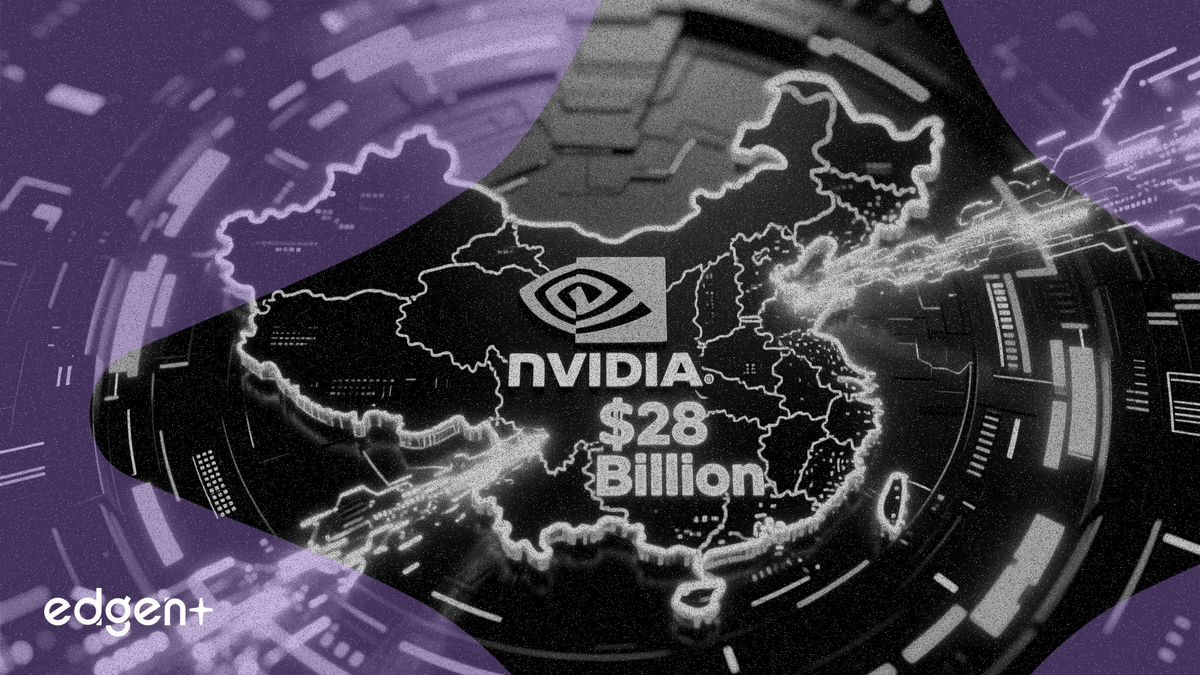
Tái gia nhập Trung Quốc có thể mở khóa dòng doanh thu 28 tỷ USD
Đối với các nhà đầu tư, việc trở lại Trung Quốc thể hiện một cơ hội tài chính đáng kể. Trong năm tài chính 2025, trước khi các biện pháp kiểm soát gần đây nhất có hiệu lực hoàn toàn, doanh số bán hàng sang Trung Quốc chiếm 13% tổng doanh thu của Nvidia. Dựa trên hiệu suất của năm ngoái, điều này có thể chuyển thành gần 28 tỷ USD doanh thu tiềm năng hàng năm. CEO Jensen Huang đã gợi ý rằng cơ hội dài hạn có thể đạt “vài trăm tỷ USD vào cuối thập kỷ này.”
Tuy nhiên, công ty đối mặt với những thách thức mới. Trong thời gian Nvidia vắng mặt, các đối thủ cạnh tranh địa phương của Trung Quốc đã giành được thị phần, có khả năng làm xói mòn một phần thị phần. Tốc độ phục hồi doanh thu sẽ phụ thuộc vào việc Nvidia có thể khởi động lại logistics xuất khẩu hiệu quả như thế nào và cạnh tranh với các lựa chọn thay thế trong nước này. Nhu cầu ban đầu từ các khách hàng Trung Quốc mang lại cơ sở vững chắc cho sự lạc quan rằng khu vực này sẽ một lần nữa trở thành động lực tăng trưởng chính cho nhà sản xuất chip.
Căng thẳng vẫn tồn tại khi chip bị hạn chế xuất hiện ở Trung Quốc
Việc phê duyệt doanh số H200 đi kèm với sự phức tạp địa chính trị đáng kể. Dữ liệu mua sắm gần đây từ ngày 27 tháng 3 tiết lộ rằng các chip Nvidia cao cấp, bị hạn chế như A100 tiếp tục được các thực thể Trung Quốc mua lại, bao gồm các trường đại học có liên kết quân sự. Các chip này được cho là đang được mua thông qua các máy chủ do các nhà sản xuất bên thứ ba cung cấp, cho thấy khó khăn trong việc thực thi một cuộc phong tỏa công nghệ hoàn toàn.
Tình hình này đã thúc đẩy hai thượng nghị sĩ Hoa Kỳ kêu gọi tạm dừng tất cả các giấy phép xuất khẩu chip AI tiên tiến sang Trung Quốc và các trung gian của nước này. Mặc dù Nvidia chính thức được phép bán các chip H200 tuân thủ của mình, nhưng dòng chảy liên tục của công nghệ bị hạn chế nhấn mạnh những lo ngại về an ninh và rủi ro quy định dai dẳng định hình cuộc cạnh tranh công nghệ Mỹ-Trung. Quyết định chính sách phản ánh sự cân bằng tinh tế giữa việc cho phép vai trò lãnh đạo thương mại của Hoa Kỳ và kiềm chế năng lực AI quân sự của Trung Quốc.