

Nvidia is set to dominate Computex 2026 as CEO Jensen Huang prepares to unveil new AI chips and deepen the company's $150 billion annual bet on Taiwan.
Nvidia is set to dominate Computex 2026 as CEO Jensen Huang prepares to unveil new AI chips and deepen the company's $150 billion annual bet on Taiwan.
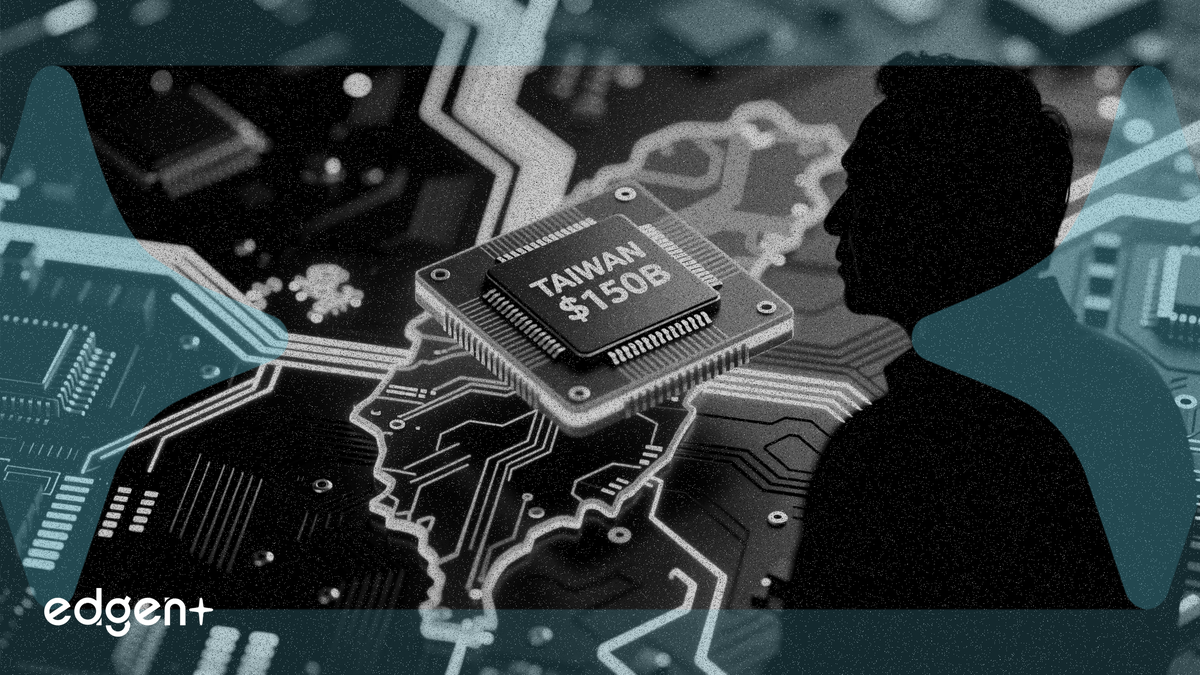
Nvidia is set to dominate Computex 2026 as CEO Jensen Huang prepares to unveil new AI chips and deepen the company's $150 billion annual bet on Taiwan.
Nvidia Chief Executive Officer Jensen Huang will kick off the Computex trade show in Taipei on Monday with a keynote expected to unveil new AI chips, as the company deepens its $150 billion annual investment in Taiwan's semiconductor supply chain.
"Taiwan is the epicenter of the AI revolution," Huang said at a launch event for Nvidia's planned Taiwan headquarters on May 27. "This is where the chips come from, where the packaging comes from, where the systems are made."
Huang's keynote, scheduled for 11 a.m. Taipei time on June 1, is expected to feature the Vera Rubin NVL72 rack system — Nvidia's new data center platform — alongside the Jetson Thor edge-AI compute platform for autonomous robotics. On the consumer side, the company may unveil its N1 chip line, developed with MediaTek, combining Arm CPU cores with Nvidia Blackwell GPU cores. Rumors suggest the N1X could deliver performance comparable to an RTX 4070 in an integrated graphics package, potentially marking Nvidia's first major push into Windows-based Arm gaming chips.
The announcements come as Nvidia's spending in Taiwan has surged tenfold from $10 billion to $15 billion annually five years ago to as much as $150 billion, cementing ties with key partners including Taiwan Semiconductor Manufacturing Co., Foxconn, Wistron and Quanta Computer. Nvidia, which became the first company to reach a $5 trillion market capitalization late last year, plans to employ about 4,000 people at its new Taiwan headquarters, set to begin construction this year and become operational by 2030.
Vera Rubin and the Data Center Arms Race
Huang will share the stage with Marvell Technology Chief Executive Officer Matt Murphy to discuss AI infrastructure expansion, with the Vera Rubin NVL72 system positioned as Nvidia's flagship offering for data center developers later this year. The system relies on advanced networking hardware to connect thousands of GPUs, addressing what Huang has described as the industry's most pressing bottleneck: power management and cooling efficiency for hyperscale AI clusters.
The competitive stakes are high. Advanced Micro Devices last week announced plans to invest more than $10 billion in Taiwan's AI sector, while Qualcomm is expected to showcase its Snapdragon X2 Elite Extreme chip at Computex — a direct rival to Nvidia's rumored N1 consumer line. Intel Chief Executive Officer Lip Bu-Tan will also deliver a keynote on June 2, highlighting the intensity of the battle for AI chip dominance.
Taiwan's Central Role in the AI Supply Chain
Nvidia's deepening commitment to Taiwan reflects the island's irreplaceable position in global semiconductor manufacturing. TSMC, the world's largest contract chipmaker, produces Nvidia's most advanced AI semiconductors using its leading-edge process nodes — the 3nm and upcoming 2nm fabrication technologies that pack more transistors per square millimeter, improving performance per watt. Any disruption to Taiwan's chip supply, a recurring geopolitical concern given China's territorial claims, would ripple across the entire AI industry.
Huang, who was born in Taiwan's southern city of Tainan before moving to the United States at age nine, has become a celebrity figure on the island. His prediction that Nvidia's market value will continue to grow over the next three to five years as AI infrastructure demand accelerates reinforces the company's long-term bet on Taiwan's manufacturing base.
Nvidia shares, which have retreated about 1.5 percent in recent sessions, trade at roughly 35 times forward earnings. The Computex keynote could serve as a near-term event that moves the stock, particularly if Huang delivers concrete specifications and timelines for the Vera Rubin platform and N1 consumer chips. Morgan Stanley analyst Joseph Moore has maintained an overweight rating on Nvidia, citing the company's lead in AI training silicon. However, the emergence of competitive alternatives from AMD, Qualcomm and in-house chip efforts at cloud hyperscalers poses a growing challenge to Nvidia's estimated 80 percent share of the AI chip market.
This article is for informational purposes only and does not constitute investment advice.
