
Europe poured $574 billion into defense last year. Turning that cash into weapons is proving far harder.
Europe poured $574 billion into defense last year. Turning that cash into weapons is proving far harder.
NATO's European members boosted military spending 20% to $574 billion in 2025, but industrial bottlenecks and recruitment shortfalls are preventing the alliance from converting that cash into usable weapons, Secretary-General Mark Rutte said ahead of this week's Ankara summit.
"A year ago was all about promises" of additional spending, Rutte told the Wall Street Journal. This year "it's about delivery," he said.
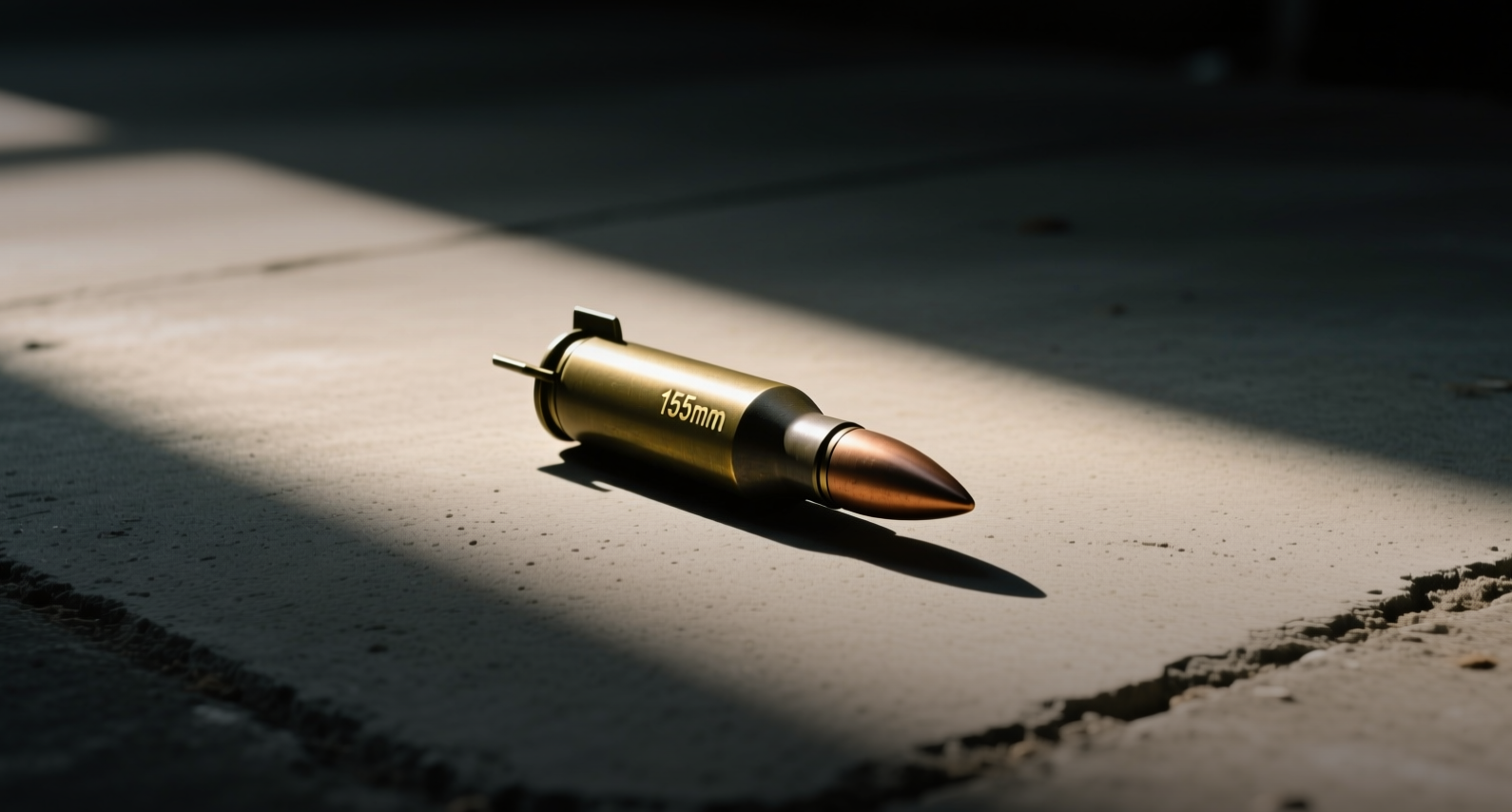
The spending surge has generated roughly $300 billion in weapons orders from U.S. companies alone, Rutte said, straining contractors already rebuilding stocks depleted by the Ukraine conflict and the war with Iran. The price of a 155mm artillery shell — among NATO's most basic munitions — has more than quadrupled since Russia's 2022 invasion as ballooning budgets hit constricted supply.
The stakes are high. Russia's economy is already on a war footing, while President Donald Trump has publicly questioned NATO's value, posting on Truth Social that the U.S. gets "any benefit" from membership. Rutte's message to Washington — that Europe has added what he calls the "Trump Trillion" to defense budgets — faces its first real test in Ankara.
Industrial Capacity Hits the Ceiling
Germany, NATO's largest European spender, raised its defense budget 24% to $114 billion in 2025 and aims to spend roughly $180 billion by 2029 — triple the 2024 level, according to the Stockholm International Peace Research Institute. But those increases are outpacing the defense industry's ability to deliver. U.S. Ambassador to NATO Matthew Whitaker said making progress in Ankara is critical. "It's not just about spending money," he said. "Ultimately it's about the capabilities that are bought with that spending."
Rutte identified two primary bottlenecks: industrial capacity, already strained by simultaneous conflicts in Ukraine and the Middle East, and the ability to recruit and train soldiers to expand fighting forces. He also warned that fragmentation — with member countries developing similar weapons independently — is wasting resources that could go toward air defense systems, long-range precision strike weapons, and drones.
Lessons From the Battlefield
Ukraine's war has shown that defense production must be nimble enough to adapt to technology that "changes every two or three weeks," Rutte said, particularly in drone warfare. The ability to continuously produce and upgrade unmanned systems has become a critical capability, he said.
During the summit, which runs July 7-8 in Ankara, NATO will hold an industrial forum bringing together defense company executives and government planners. Officials expect to announce billions of dollars in contracts, preliminary agreements, and joint production accords. Trump is also scheduled to meet separately with Ukrainian President Volodymyr Zelenskyy and Syrian President Ahmad al-Sharaa on the sidelines.
The last time NATO faced a comparable spending push was after Russia's 2014 annexation of Crimea, when allies pledged to move toward spending 2% of GDP on defense. A decade later, only a handful had met that target. This time, the spending is real — but the industrial base built for peacetime is struggling to keep pace with wartime demand.
This article is for informational purposes only and does not constitute investment advice.
