
캘리포니아의 9인 배심원단이 세계 최고의 AI 연구소인 OpenAI의 미래를 손에 쥐고, 억만장자 공동 창업자들이 맞붙은 사건의 평의를 시작했습니다.
캘리포니아의 9인 배심원단이 세계 최고의 AI 연구소인 OpenAI의 미래를 손에 쥐고, 억만장자 공동 창업자들이 맞붙은 사건의 평의를 시작했습니다.
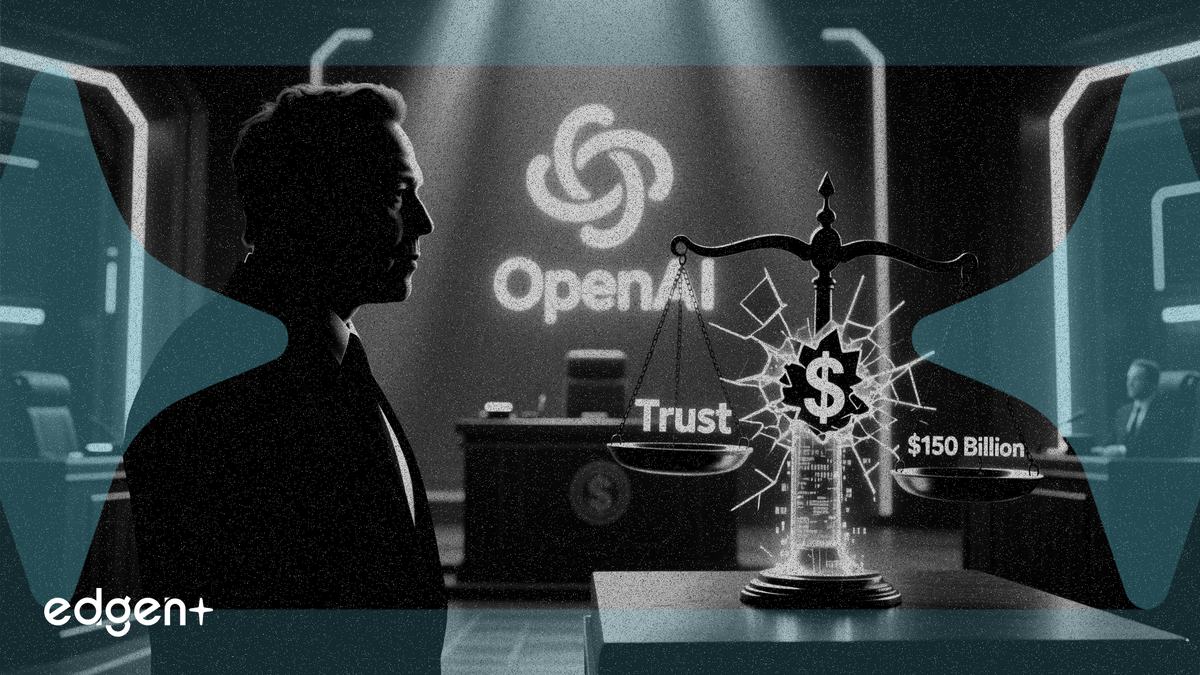
엘론 머스크가 OpenAI와 그 경영진을 상대로 제기한 소송의 배심원 평의가 시작될 예정입니다. 이 사건은 8,520억 달러 가치의 기업 영리 구조 해체를 강제할 수 있으며, 최대 1,500억 달러의 잠재적 손해배상액이 걸려 있습니다.
"머스크 씨는 오늘 여기에 없습니다." OpenAI의 수석 변호인인 윌리엄 새빗은 최종 변론에서 원고의 부재를 강조하며 말했습니다. "제 의뢰인들은 여기에 있습니다. 그들은 이 일을 중요하게 생각하기 때문에 여기에 있는 것입니다."
머스크는 자선 신탁 위반을 주장하며, 자신의 초기 기부금 3,800만 달러가 비영리 단체를 위한 것이었지, 나중에 마이크로소프트로부터 100억 달러의 투자를 받은 영리 법인을 위한 것이 아니었다고 주장합니다. OpenAI 측 변호인단은 머스크의 주장이 "신 포도"에 불과하며, 그의 기부금은 공소시효 마감일인 2021년 8월 이전인 2020년까지 모두 소진되었다고 반박합니다.
배심원단의 평결은 권고 사항일 뿐이며, 최종 결정은 이본 곤잘레스 로저스 판사가 내리게 됩니다. 머스크의 승소 판결이 나올 경우 CEO 샘 올트먼의 해임, 예정된 IPO를 앞둔 OpenAI의 기업 구조 해체, 그리고 수십억 달러의 자금을 원래의 비영리 재단으로 환원하는 조치가 이어질 수 있어 AI 거버넌스에 중요한 선례가 될 것입니다.
3주간의 재판 동안 머스크의 변호인단은 샘 올트먼의 신뢰성에 집중했습니다. 머스크의 변호사인 스티븐 몰로는 올트먼의 신뢰성이 "사건의 핵심"이며, 배심원단이 그를 믿지 않는다면 "그들은 이길 수 없다"고 주장했습니다. 몰로는 반대 심문 당시 올트먼의 회피적인 답변과 2023년 11월 당시 이사회로부터 "일관되게 솔직하지 못하다"는 이유로 해임되었던 점을 지적했습니다.
올트먼은 이에 대해 2018년 머스크의 이사회 탈퇴가 직원들에게는 "사기 진작"이었으며, 머스크가 자신이 공동 설립한 회사를 죽이려 했다고 증언했습니다. 그는 머스크가 "영업 방해"를 저질렀으며, ChatGPT의 성공 이후 질투심 때문에 소송을 제기했다고 주장했습니다. 피고 측은 머스크를 프로젝트가 성공 궤도에 오르기 전 포기했다가 혁신적인 성공을 거두자 소송을 위해 돌아온 공동 창업자로 묘사했습니다.
재판에서는 양측의 주장을 뒷받침하는 수많은 내부 통신 기록이 공개되었습니다. OpenAI 회장 그렉 브록먼의 개인 일기에는 2017년에 이미 10억 달러의 기업 가치를 열망하는 내용이 담겨 있었고, CTO 미라 무라티의 문자 메시지에는 2023년 올트먼의 해임 및 복귀 파동 당시 그의 의사 결정에 대한 우려가 드러나 있었습니다.
사건의 또 다른 핵심은 2023년 OpenAI에 100억 달러를 투자한 마이크로소프트의 역할입니다. 머스크의 변호인단은 이 투자가 비영리 단체의 원래 사명에 대한 배신을 확정 지었다고 주장하며, 마이크로소프트가 자선 신탁 위반을 "방조하고 공모"했다고 비난했습니다.
마이크로소프트 CEO 사티아 나델라는 자사의 투자가 진정한 위험 감수였으며, 올트먼의 해임 후 복귀 결정에는 관여하지 않았다고 증언했습니다. 그러나 마이크로소프트의 내부 이메일에는 OpenAI의 역량에 대한 회의적인 시각과 OpenAI의 "마이크로소프트"에 대한 "IBM"이 되지 않겠다는 의지(마이크로소프트가 PC 시대를 지배하게 된 계약을 참조)가 담겨 있었습니다.
OpenAI 측 변호인단은 머스크의 과거 발언을 역이용하여, 2020년 그가 트위터에 "OpenAI는 본질적으로 마이크로소프트에 장악당했다"고 쓴 글을 지적했습니다. 그들은 머스크가 당시 기업의 자선 신탁이 위반되었다고 믿었다면 소송 제기까지 너무 오래 기다렸으며, 이는 3년의 공소시효를 벗어난 것이라고 주장했습니다. 이 시점의 문제는 배심원의 권고 평결과 관계없이 로저스 판사가 결정을 내리는 데 궁극적인 결정 요인이 될 수 있습니다.
이 기사는 정보 제공 목적으로만 작성되었으며 투자 조언을 구성하지 않습니다.
