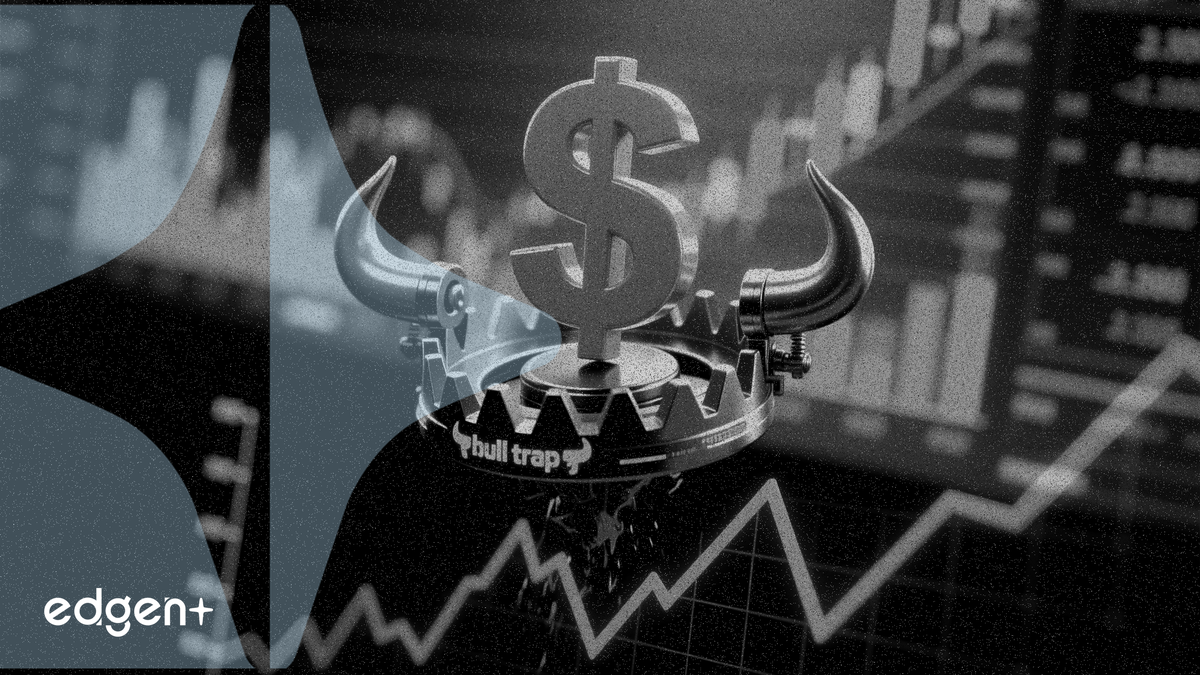
Dollar's 2% Gain Labeled a 'Bull Trap'
Strategists at Morgan Stanley are advising clients that the U.S. dollar's recent rally is likely a 'bull trap.' Since the start of the war in Iran, the Bloomberg Dollar Index has climbed 2% to its highest level since last December. According to a team led by David Adams, the market has correctly priced in the inflationary risks from rising energy prices but has dangerously underestimated the conflict's detrimental effect on global economic growth.
This dynamic has punished currencies of energy-importing regions, with both the Euro and the Japanese Yen falling more than 2% against the dollar. Morgan Stanley views this divergence as unsustainable, arguing that the dollar's safe-haven appeal will diminish as the conflict's negative growth implications become a dominant global theme.
Wall Street Echoes Stagflation Fears
Morgan Stanley's caution is part of a growing chorus of concern on Wall Street. JPMorgan recently slashed its S&P 500 target, citing similar risks as Brent crude surged past $110 a barrel. The bank warned that investors are not taking the risk of higher energy costs seriously enough, especially their potential to cripple consumer spending, which accounts for roughly 70% of U.S. economic activity.
This combination of rising inflation and slowing growth has resurrected fears of stagflation, a challenging economic environment for policymakers. Citigroup's chief economist, Catherine Mann, highlighted the risk of a 'nightmare scenario' for central banks, who face a difficult tradeoff between controlling inflation and supporting a weakening economy. This sentiment was echoed by Morgan Stanley's own chief strategist, Mike Wilson, who noted that current market valuations do not reflect the true risks of prolonged geopolitical tension.
Analysts Eye Reversal as Growth Concerns Mount
The core of Morgan Stanley's bearish dollar thesis is that the negative growth impact from the conflict will not be contained to Europe and Japan. As the economic drag intensifies globally, expectations for interest rate spreads between the U.S. and other major economies are likely to narrow, removing a key support for the dollar's recent strength.
Market volatility underscores this fragile sentiment. Recent sessions have seen sharp swings in equities and oil prices based on unconfirmed reports of diplomatic talks. This sensitivity suggests that the conviction behind the dollar's rally is thin and highly susceptible to a reversal as investors are forced to re-evaluate the underestimated risks to economic growth.