
Moody's'in stabilcoin derecelendirme sektörüne girişi, 4 trilyon dolarlık dijital varlık sınıfının geleneksel finansal piyasalarla entegrasyonu yolunda atılmış büyük bir adımı temsil ediyor.
Moody's'in stabilcoin derecelendirme sektörüne girişi, 4 trilyon dolarlık dijital varlık sınıfının geleneksel finansal piyasalarla entegrasyonu yolunda atılmış büyük bir adımı temsil ediyor.
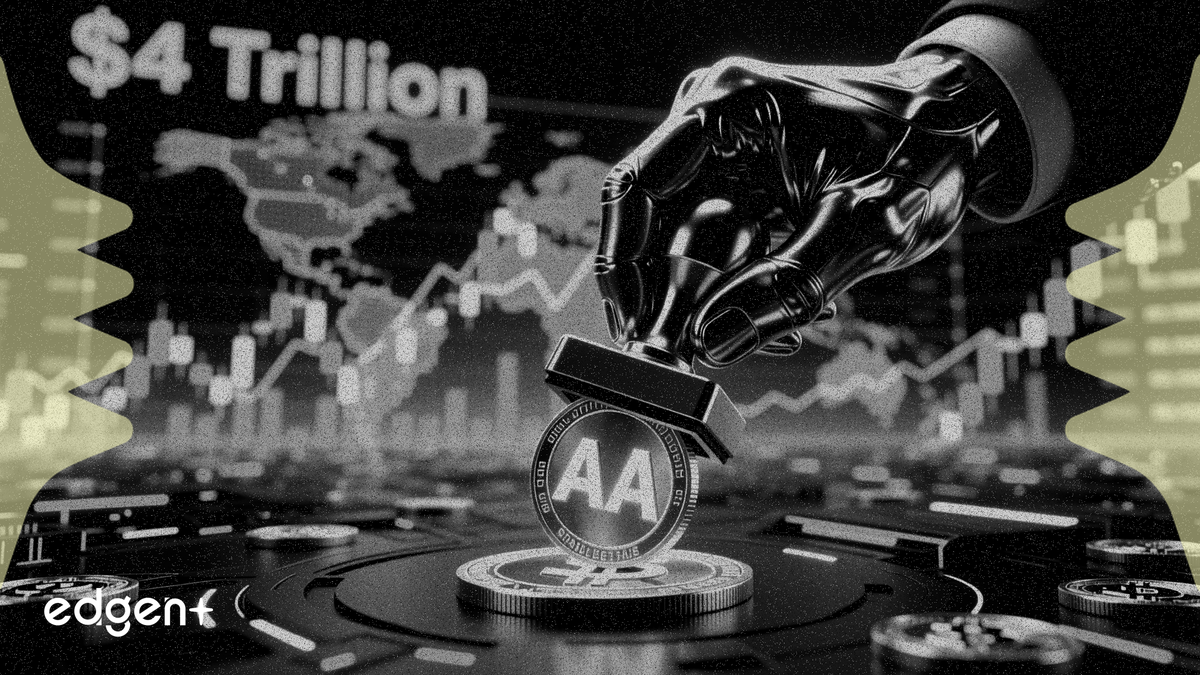
Kredi derecelendirme kuruluşu Moody's, 2026 yılında stabilcoinler için resmi bir kredi değerlendirme çerçevesi başlatmaya hazırlanıyor. Bu hamle, dijital varlık alanına kurumsal düzeyde risk analizi getirmeyi ve Asya ile ötesindeki artan yatırımcı talebine yanıt vermeyi amaçlıyor.
Moody's Genel Müdürü ve Dijital Ekonomi Küresel Başkanı Fabian Astic, Nikkei Asia ile yaptığı yakın tarihli bir röportajda, "Bu adım, dijital finansın ana akım benimsenmeye yaklaşmasıyla birlikte sektörü izlemekten 'aktif katılıma' geçişi yansıtıyor" dedi.
Astic, genellikle ABD doları gibi bir egemen para birimine sabitlenmiş dijital tokenlar olan stabilcoinlerin toplam piyasa değerinin önümüzdeki yıllarda 4 trilyon dolara kadar yükselebileceğini belirtti. Yeni metodoloji, rezerv kalitesi ve operasyonel istikrarın standardize edilmiş bir değerlendirmesini sunarak, yatırımcıların farklı stabilcoinlerin riskleri konusundaki kafa karışıklığını gidermeyi hedefliyor.
Kurumsal yatırımcılar için Moody's derecelendirmeleri, karmaşık zincir içi (on-chain) riskleri, tahviller ve diğer geleneksel varlıklar için kullanılan tanıdık kredibilite diline tercüme ederek kritik bir köprü görevi görebilir. Bu durum, şimdiye kadar birçok büyük fonu kenarda tutan temel bir engel olan risk yönetimi ve uyumluluk için bir temel sağlayarak dijital varlıklara önemli sermaye tahsisinin önünü açabilir.
Geleneksel piyasalarda kilit bir Ulusal Düzeyde Tanınmış İstatistiksel Derecelendirme Kuruluşu (NRSRO) olan Moody's, bu girişimde yalnız değil. Moody's'in bu hamlesi, stabilcoinler ve diğer dijital varlıkları değerlendirmek için benzer çerçeveler geliştiren S&P Global Ratings ve Fitch Ratings gibi köklü derecelendirme kuruluşlarının adımlarını takip ediyor. BeInCrypto'nun 2026 kurumsal kripto raporuna göre, hem Moody's hem de S&P, ABD SEC'e NRSRO olarak kayıtlıdır ve Avrupalı düzenleyiciler tarafından tanınmaktadır; bu da değerlendirmelerinin düzenlenmiş finansal kurumlar nezdinde ağırlık kazanmasını sağlamaktadır.
Geleneksel kuruluşlar marka bilinirliği getirse de, çok sayıda kripto-yerli derecelendirme ve risk analizi firmasının bulunduğu bir alana giriyorlar. Bu ortamda Bluechip gibi uzmanlaşmış stabilcoin derecelendirme kuruluşları, Gauntlet ve Chaos Labs gibi DeFi risk yöneticileri ve işlem düzeyinde ayrıntılı risk puanlaması sağlayan Chainalysis ve TRM Labs gibi blok zinciri istihbarat firmaları yer alıyor. Ancak, bir Moody's kredi derecelendirmesinin temel işlevi farklıdır; ihraççının yükümlülüklerini yerine getirme yeteneğini değerlendirir; bu, Moody's'in müşteri tabanını oluşturan sabit getirili yatırımcılar için oldukça tanıdık bir kavramdır.
Yerleşik kredi derecelendirme metodolojilerinin tanıtılması, stabilcoin piyasasının olgunlaşmasında kritik bir adımdır. Yatırım yapılabilir seviyede not almak için ihraççıları rezervleri ve risk yönetimi uygulamaları konusunda şeffaflığı artırmaya zorlayacak olan bu durum, muhtemelen piyasanın en dirençli ve iyi yönetilen stabilcoinler etrafında konsolide olmasına yol açacaktır. Geleneksel finansal denetim ve dijital varlık inovasyonunun bu birleşimi, küresel düzenleyicilerin sektör için kendi kurallarını oluşturduğu bu dönemde izlenmesi gereken kilit bir gelişmedir.
Bu makale yalnızca bilgilendirme amaçlıdır ve yatırım tavsiyesi teşkil etmez.
