

The immense energy required for large-scale AI is becoming a critical factor in the tech industry's profitability and sustainability.
The immense energy required for large-scale AI is becoming a critical factor in the tech industry's profitability and sustainability.
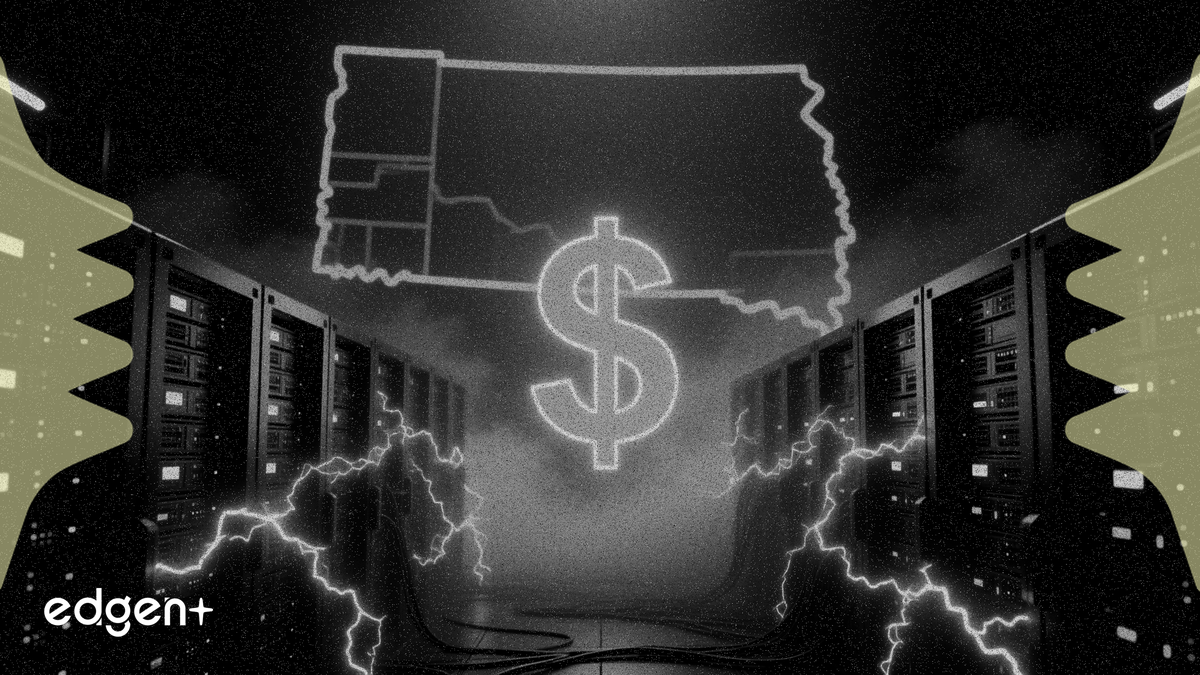
(P1) Meta Platforms Inc.'s new Hyperion AI data center now requires enough power to supply the entire state of South Dakota, highlighting the massive and growing energy footprint of artificial intelligence that threatens to inflate operating costs for even the largest technology companies.
(P2) "We've moved from a compute-bound to a power-bound world in AI," said John Miller, a technology analyst at Global Tech Research. "The multi-billion dollar question is whether the returns from AI can outpace the soaring energy bills and the cost of building out new power generation."
(P3) The report, dated April 1, 2026, indicates a dramatic escalation in the resources needed for cutting-edge AI models. While Meta has not disclosed the specific megawatt capacity of the Hyperion facility, South Dakota's total annual electricity consumption is approximately 10.7 terawatt-hours, giving a sense of the immense scale of operations. This surge in power demand is a direct consequence of the industry-wide race to deploy tens of thousands of energy-intensive GPUs from designers like Nvidia.
(P4) For investors, this trend complicates the long-term valuation of tech giants like Meta, Alphabet, and Amazon. While AI capabilities are driving new revenue streams, the associated operational expenditures and ESG concerns over fossil fuel consumption could compress margins and attract regulatory scrutiny, potentially impacting stock performance and benefiting companies in the energy sector.
The AI industry's voracious appetite for electricity is forcing a strategic shift among its biggest players. Companies are now in a race not just for the most powerful chips, but for the energy to run them. This has led to tech giants making direct investments in energy production, from renewable sources to, as in Meta's case, natural gas.
This new reality presents a dual challenge: securing a stable and affordable power supply while adhering to corporate environmental, social, and governance (ESG) commitments. The reliance on natural gas, a fossil fuel, to power data centers could expose companies like Meta to criticism from investors who prioritize sustainability, and potentially lead to a lower ESG rating, which can influence investment decisions.
Conversely, the tech industry's power crunch is creating a significant new demand driver for the energy sector. Utility companies and energy producers are seeing a surge in inquiries and long-term contracts from hyperscalers, providing a growth avenue that is set to expand as AI adoption continues. This could lead to a re-evaluation of energy stocks, particularly those with a focus on natural gas and renewable energy sources capable of providing the stable, high-capacity power that data centers require.
This article is for informational purposes only and does not constitute investment advice.